Pakistan’s mediators in Iran as US downs drones, Lebanon looks for peace
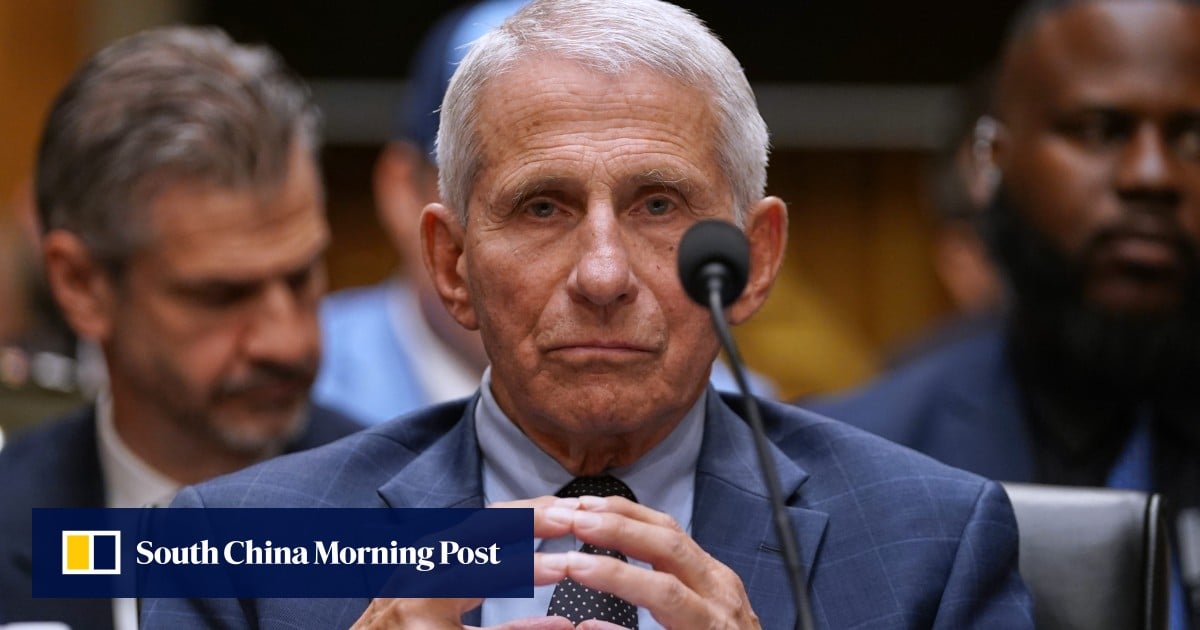
Pakistan’s interior minister visited Tehran to help restart US-Iran talks as the US said it shot down two Iranian drones near the Strait of Hormuz.
Intelligence analysis by GPT-5.4 Mini
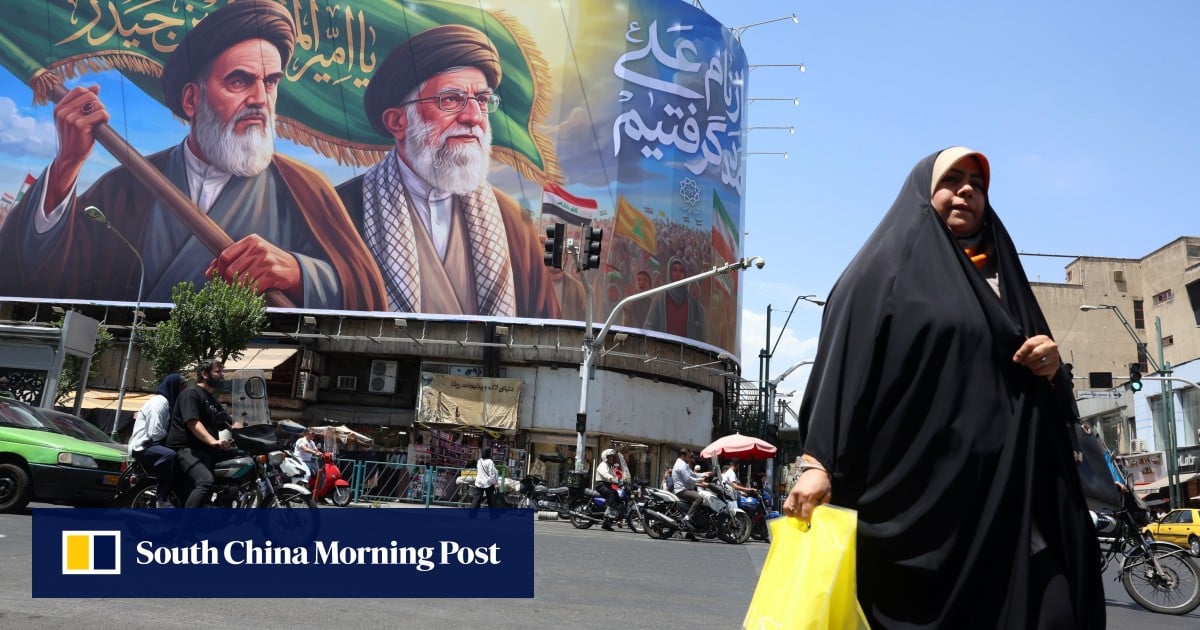
The article links three overlapping crises: Pakistan’s diplomatic effort to reopen US-Iran negotiations, new drone incidents in a key shipping lane, and the fragile ceasefire process in Lebanon. It frames all of this as part of a wider Middle East war that is pressuring the global economy and humanitarian conditions.
Pakistan is trying to help two rivals talk, while the US says it stopped drones near a very busy sea road. It is like adults trying to calm a fight while another argument is still happening next door.
Analysis
What happened
Pakistan’s interior minister, Mohsin Naqvi, was in Tehran on Sunday in what the article describes as a renewed attempt to restart talks between Iran and the United States. According to Iran’s state-run IRNA news agency, he was carrying a message from Pakistan’s army chief, Field Marshal Asim Munir, to Iran’s supreme leader.
At the same time, the US military said it shot down two Iranian drones over the Strait of Hormuz. Washington said the drones threatened international maritime traffic, underscoring how quickly the conflict can affect one of the world’s most important shipping chokepoints.
Wider backdrop
The piece places these events inside a broader war in the Middle East that the US is pressing Iran to help end. The article says the conflict has strained the global economy and raised the risk of hunger in some vulnerable countries. It also notes that the heaviest fighting ended with a preliminary ceasefire on April 8, but the parties have still not reached a long-term settlement.
Lebanon remains unstable
The article also says fighting between Israel and Hezbollah continued despite last week’s announcement that a US-brokered ceasefire had been extended. That detail suggests the region is still operating on fragile pauses rather than a durable peace.
Overall, the story shows diplomacy and escalation moving in parallel: Pakistani mediation efforts on one side, and drone interceptions plus continuing fighting on the other.
Key points
- Pakistan’s interior minister was in Tehran to try to revive US-Iran negotiations.
- The US military said it shot down two Iranian drones over the Strait of Hormuz.
- Washington says the war in the Middle East is straining the global economy and worsening hunger risks.
- Fighting between Israel and Hezbollah continued despite a reported ceasefire extension.
- The article presents diplomacy and escalation as happening at the same time.
If Pakistan’s mediation helps restart US-Iran negotiations, it could reduce the chance of more drone incidents and lower pressure on shipping through the Strait of Hormuz. A more durable ceasefire in Lebanon could also slow the wider regional spillover described in the article.
If talks do not restart, the drone incidents and broader fighting could continue to threaten maritime traffic and keep tensions high. The article also suggests the Lebanon ceasefire remains fragile, so violence there could continue even after diplomatic announcements.