Parastoo Ahmadi and Eight Members of Caravanserai Concert Sentenced to 74 Lashes
Parastoo Ahmadi and eight members of the Caravanserai concert have been sentenced to 74 lashes, two years of ban from leaving Iran, and two years of ban from artistic activities. The sentence was issued by the Qom Criminal Court.
Intelligence analysis by Llama 3.3 70B
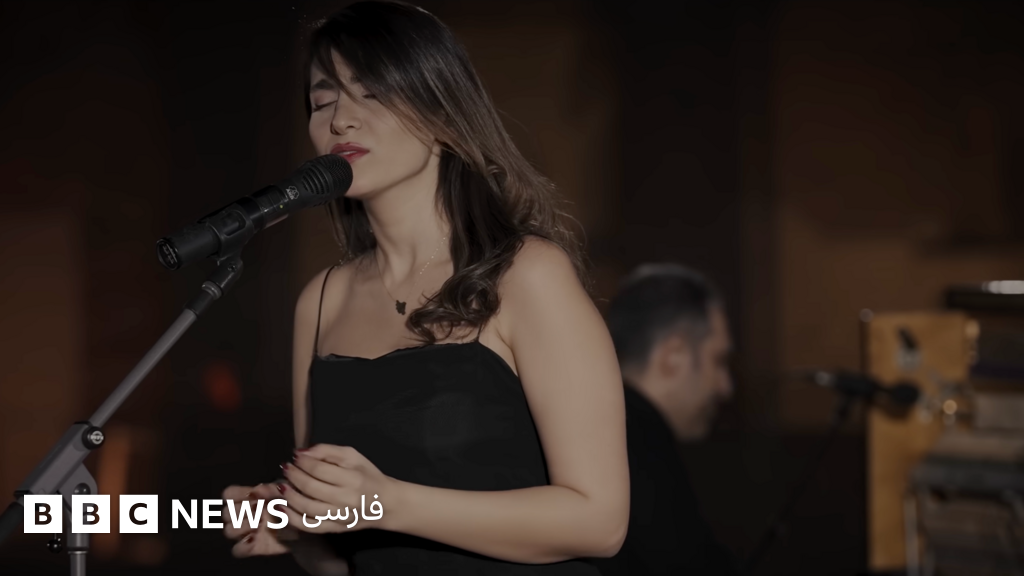
The sentence is related to the production and publication of allegedly obscene and unethical content on social media, which is considered a crime under Iranian law. The concert, which was held in a historic caravanserai, featured Parastoo Ahmadi singing without a hijab, sparking widespread reactions on social media.
A singer in Iran named Parastoo Ahmadi sang without a hijab in a concert, which is against the law in Iran. She and eight other people involved in the concert have been sentenced to 74 lashes and banned from leaving the country or doing artistic work for two years.
Analysis
Background on Parastoo Ahmadi's Case
Parastoo Ahmadi, a 27-year-old singer, has been at the center of controversy in Iran for her bold performances and defiance of the mandatory hijab rule. Her concert in a historic caravanserai, where she sang without a hijab, sparked widespread reactions on social media, with many praising her courage and others condemning her actions as immoral. In recent years, Ahmadi has become a prominent figure in Iran's music scene, known for her powerful voice and unapologetic style. Her music often touches on themes of freedom, love, and social justice, resonating with many young Iranians who are eager for change.
The Caravanserai Concert and Its Aftermath
The Caravanserai concert, which was held in December 2023, was a pivotal moment in Ahmadi's career and a catalyst for the current controversy. The concert featured Ahmadi and several other musicians performing in a historic caravanserai, a traditional Iranian inn. The event was widely publicized on social media, with many fans and supporters praising the performance as a bold statement of artistic freedom. However, the concert also sparked a backlash from conservative elements in Iranian society, who viewed Ahmadi's performance as a challenge to the country's moral values. The authorities subsequently launched an investigation into the concert, leading to the arrest and sentencing of Ahmadi and several other participants.
Implications of the Sentence
The sentence handed down to Ahmadi and her fellow musicians has significant implications for artistic freedom in Iran. The ruling underscores the risks faced by artists who challenge the country's strict laws and social norms, and highlights the ongoing tensions between the government and the artistic community. The case also raises concerns about the use of draconian punishments, such as flogging, to suppress dissent and creativity. The sentence has been widely condemned by human rights groups and supporters of artistic freedom, who argue that it is a clear example of the Iranian government's attempts to silence critics and stifle creativity. In the context of Iran's ongoing struggle for social and political change, the sentence is a reminder of the significant challenges faced by artists, activists, and ordinary citizens who dare to challenge the status quo. As the country continues to navigate the complexities of modernity and tradition, the case of Parastoo Ahmadi and the Caravanserai concert serves as a powerful symbol of the ongoing struggle for freedom and creative expression.
Key points
- Parastoo Ahmadi and eight members of the Caravanserai concert have been sentenced to 74 lashes and banned from leaving Iran and doing artistic work for two years
- The sentence is related to the production and publication of allegedly obscene and unethical content on social media
- The case highlights the ongoing tensions between the Iranian government and artists who challenge the country's strict laws and social norms
The international community may put pressure on the Iranian government to reconsider the sentence and respect artistic freedom. This could lead to a greater awareness of the importance of creative expression and the need to protect artists who challenge social norms.
The sentence may have a chilling effect on artistic freedom in Iran, causing other artists to self-censor or flee the country. The use of draconian punishments, such as flogging, may also become more widespread, further suppressing dissent and creativity.