Parents seek spots with popular schools despite record-high allocation results
Hong Kong’s primary school allocation hit a record 86% for top-three choices, but popular schools still saw heavy demand.
Intelligence analysis by GPT-5.4 Mini
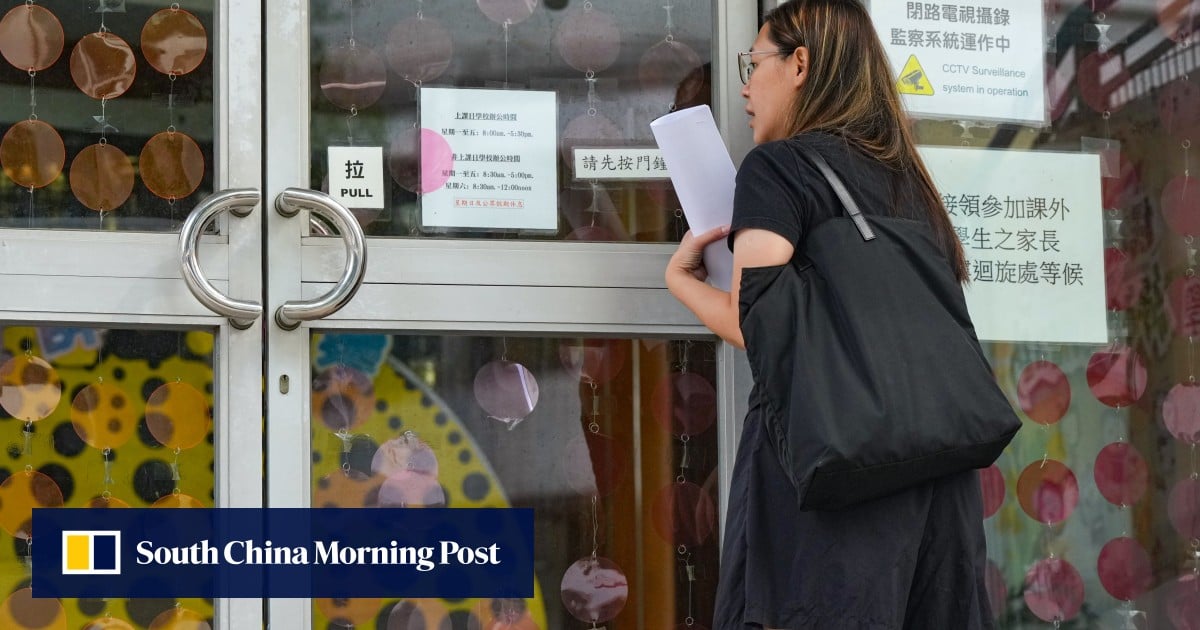
Hong Kong’s latest primary school allocation round was the strongest on record, yet families still rushed to compete for well-known schools. A premature SMS blunder from the Education Bureau caused confusion, but parents and principals said it had little effect on the follow-up application process.
It was like a school lottery where more children than before got one of their favorite picks. But the most popular schools still had many families lining up, like trying to get seats at the busiest table in a restaurant.
Analysis
Stronger allocation results, but competition remains
Hong Kong’s Education Bureau said about 86 per cent of children received one of their top three primary school choices through central allocation, up from 79 per cent last year. The improvement came as the number of applicants fell by 16 per cent to 16,345, which helped more families get their preferred placements.
Popular schools still attract crowds
Even with the better overall outcome, sought-after schools continued to draw heavy interest. Yaumati Catholic Primary School in Yau Tsim Mong district received around 50 post-allocation applications on Wednesday, roughly the same level as last year.
Early SMS error caused confusion, not disruption
A day before the official announcement, the Education Bureau mistakenly sent premature text messages that included the correct school choices but the wrong year. Principals and parents quoted in the report said the error did not materially change how families responded. Principal Jessie Cheung Chok-fong said many parents had already prepared their application forms and moved quickly once they confirmed the results.
What the numbers suggest
The lower number of applicants and higher share of first-choice placements suggest a less pressured year overall. But the demand for popular schools shows that competition remains concentrated at the top, even when the wider system looks healthier.
Key points
- About 86% of children got one of their top three primary school choices, a record high.
- Applications fell 16% to 16,345, helping raise the overall allocation rate.
- Popular schools still drew strong demand, including about 50 post-allocation applications at Yaumati Catholic Primary School.
- An early Education Bureau SMS mistake caused confusion but did not appear to change the process much.
If the current trend continues, more families could keep getting schools they rank highly, reducing stress during allocation. Lower applicant numbers may also make the process smoother for schools and parents.
Popular schools may still stay crowded if many parents keep chasing the same names, leaving some families disappointed after the first round. Mistakes like the wrong-year SMS could also hurt trust if they happen again.