Parliament Monsoon Session Concludes: '12 Bills Passed in Lok Sabha, 39% Work Done', What Did Rijiju Say?
Union Parliamentary Affairs Minister Kiren Rijiju announced the conclusion of the Monsoon Session, reporting that 12 bills were passed in the Lok Sabha despite significant disruptions and low overall productivity.
Intelligence analysis by Gemini 2.5 Flash
The 19-day Monsoon Session of Parliament ended with Parliamentary Affairs Minister Kiren Rijiju addressing the media, stating that the Lok Sabha passed 12 bills but recorded only 19% productivity, while the Rajya Sabha managed 39%. He criticized the opposition for continuous disruptions, which he claimed prevented meaningful debate on crucial legislation.
Imagine school assembly where everyone keeps shouting instead of listening. That's what happened in India's Parliament for 19 days. The grown-ups were supposed to make new rules, but they spent most of the time arguing. Still, they managed to pass 12 new rules, including one to stop cheating in exams, which is like making sure no one peeks at answers during a test.
Analysis
The recently concluded Monsoon Session of Parliament, spanning 19 days, has drawn attention to the operational efficiency of India's legislative bodies. Parliamentary Affairs Minister Kiren Rijiju, in his post-session press conference, presented a mixed report card, emphasizing both legislative achievements and significant procedural challenges. The session was notably marked by frequent disruptions and protests, which, according to Rijiju, severely hampered the intended legislative work and debate.
12 Bills
Despite the persistent disruptions, the government managed to pass a considerable number of legislations in the Lok Sabha. Rijiju highlighted that 12 bills were successfully passed in the lower house, which the government considers an achievement given the circumstances. This indicates a focused effort by the ruling coalition to push through its legislative agenda, even in the face of strong opposition.
However, the minister also pointed out a critical aspect: only one of these 12 bills, the Public Examinations (Prevention of Unfair Means) Amendment Bill, 2026, received a full discussion in the Lok Sabha. This suggests that while bills were passed, the depth of parliamentary scrutiny and debate, a cornerstone of democratic lawmaking, was significantly curtailed. The government's ability to pass legislation without extensive discussion raises questions about the quality of deliberation.
39 Percent
The productivity figures presented by Minister Rijiju painted a stark picture of the session's effectiveness. He reported that the Rajya Sabha, the upper house, achieved a total productivity of 39 percent, while the Lok Sabha's productivity was even lower, at just 19 percent. These figures underscore the extent to which parliamentary proceedings were affected by the continuous uproar and walkouts by opposition members.
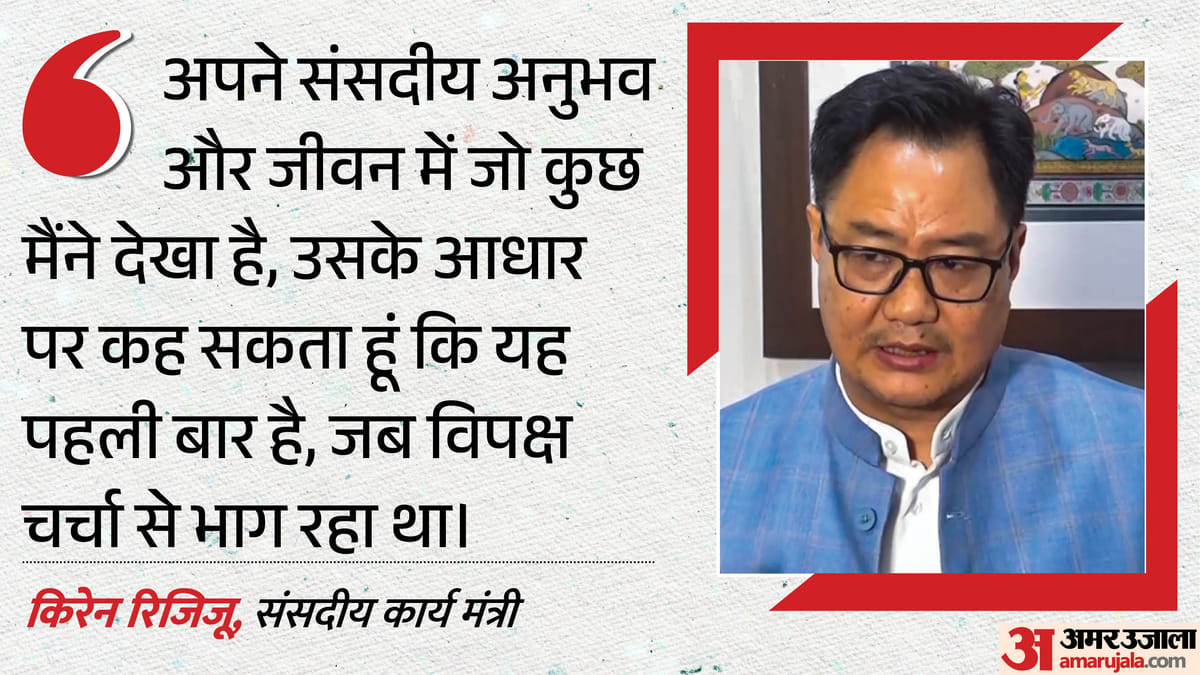
Rijiju explicitly criticized the opposition, stating that in his parliamentary experience, he had "for the first time seen the opposition avoiding discussion." He asserted that the government was prepared for debates on important issues and bills, but the constant disruptions led to a significant waste of parliamentary time. This low productivity reflects a broader challenge in India's political landscape, where legislative sessions are increasingly becoming arenas for political confrontation rather than constructive debate.
Public Examinations Bill
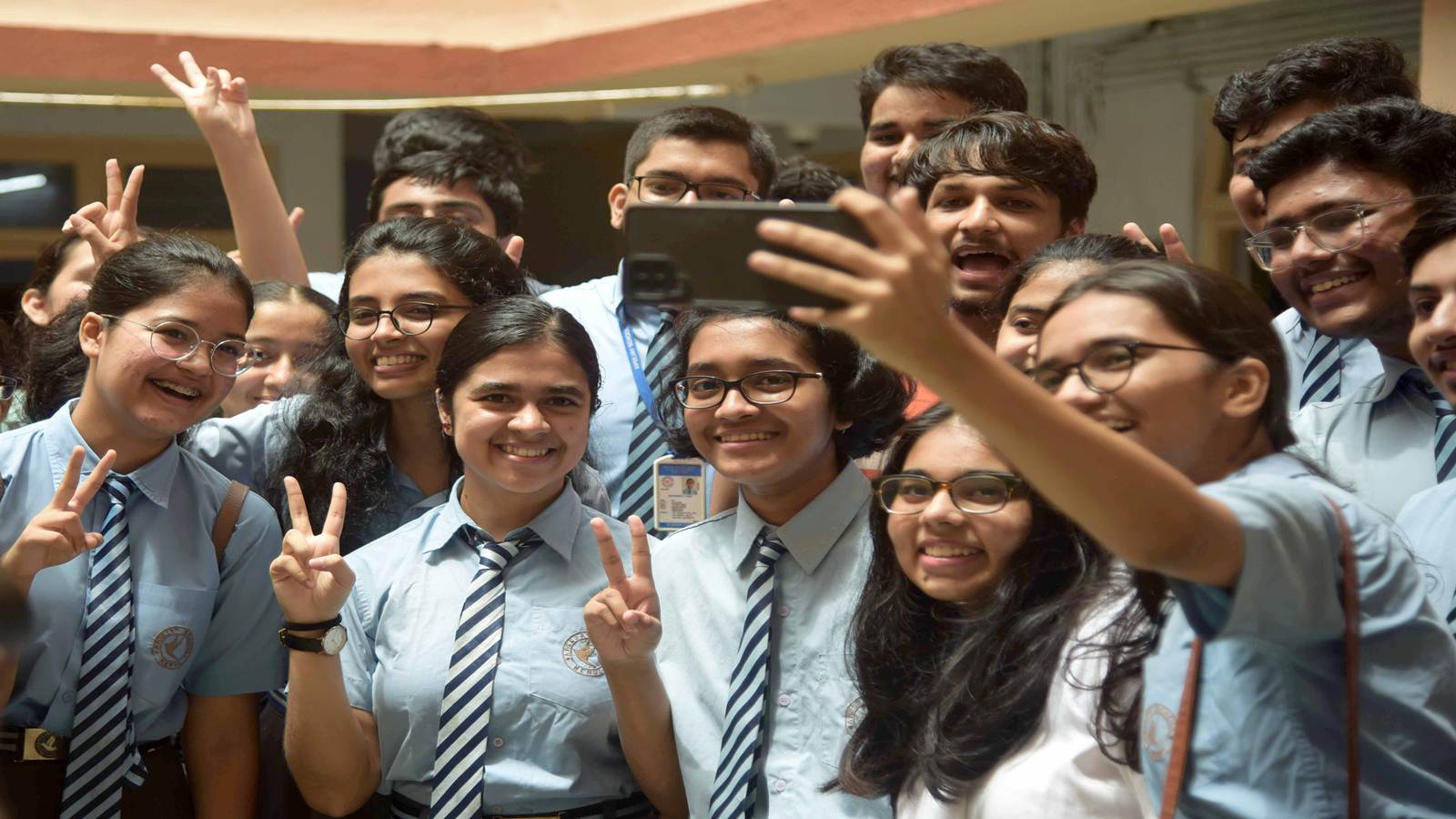
Among the few bills that saw some discussion, the Public Examinations (Prevention of Unfair Means) Amendment Bill, 2026, stands out. This legislation is particularly significant as it aims to address the growing problem of paper leaks and other unfair practices in public examinations across the country. The bill seeks to strengthen legal provisions against such malpractices, which have become a major concern for students and parents.
The amendment bill introduces stricter penalties, including provisions for a minimum of five years to a maximum of 10 years imprisonment and higher fines for certain offenses related to unfair means in examinations. This move is a direct response to numerous incidents of question paper leaks and organized cheating that have been reported in various states. The government views this as a crucial step to ensure fairness and integrity in the examination system, thereby safeguarding the future of millions of aspirants.
Key points
- The Monsoon Session of Parliament concluded after 19 days.
- Lok Sabha's productivity was 19%, while Rajya Sabha's was 39%.
- 12 bills were passed in the Lok Sabha during the session.
- Only one bill, the Public Examinations (Prevention of Unfair Means) Amendment Bill, 2026, was fully discussed in the Lok Sabha.
- Parliamentary Affairs Minister Kiren Rijiju criticized the opposition for avoiding discussions and causing disruptions.
Despite the disruptions, the passage of 12 bills in the Lok Sabha, including a crucial one against paper leaks, demonstrates the government's ability to advance its legislative agenda. This suggests that essential laws can still be enacted even amidst political disagreements, potentially strengthening governance in key areas.
The significantly low productivity rates of 19% in Lok Sabha and 39% in Rajya Sabha, coupled with the minister's criticism of the opposition for avoiding discussion, highlight a concerning trend of parliamentary dysfunction. This could lead to a decline in meaningful debate on critical issues and hinder effective lawmaking, ultimately impacting public trust in democratic institutions.