Peru’s discontented voters face straight left-right choice in election runoff
Peruvians choose between Keiko Fujimori and Roberto Sánchez in a tight runoff amid crime, instability and distrust.
Intelligence analysis by GPT-5.4 Mini
Peru’s runoff has narrowed to a sharp left-right contest between Keiko Fujimori and Roberto Sánchez after a fragmented first round. The race reflects deep voter exhaustion after years of instability, corruption scandals and weak trust in politicians.
Peru is picking between two very different grown-ups to lead the country, like choosing between two repair plans for a broken house. One says “be strict and tough on crime,” and the other says “change the rules and give power back to people.”
Analysis
A runoff shaped by exhaustion
Peruvians are voting in a runoff that has become a direct choice between two familiar but divisive figures: Keiko Fujimori, the longtime right-wing contender, and Roberto Sánchez, a leftist congressman and former minister. The campaign began with a record 35 candidates, but the final round has collapsed into a contest between two people who together represented only 29% of the first-round vote.
Why the race is so tight
Fujimori won 17% in April and Sánchez 12%, yet polls show them statistically tied. An Ipsos survey published Thursday put Sánchez on 43.8% and Fujimori on 43.2%. That close margin fits a broader pattern in Peru, where recent runoff elections have been extremely narrow.
The political backdrop is unusually bleak. Peru has gone through eight presidents since July 2016, and only three were elected. The article describes a system in which many leaders fell into office through congressional manoeuvring rather than durable public support. That has fuelled apathy, protest voting and mistrust.
What each candidate represents
Fujimori is running for president for the fourth time and leans on her father Alberto Fujimori’s legacy of tough rule. She is trying to turn that image into an advantage by promising a hard line on crime, as Peru faces surging extortion and murder. But she also carries the burden of the anti-Fujimori movement and fears that she could govern in an authoritarian way.
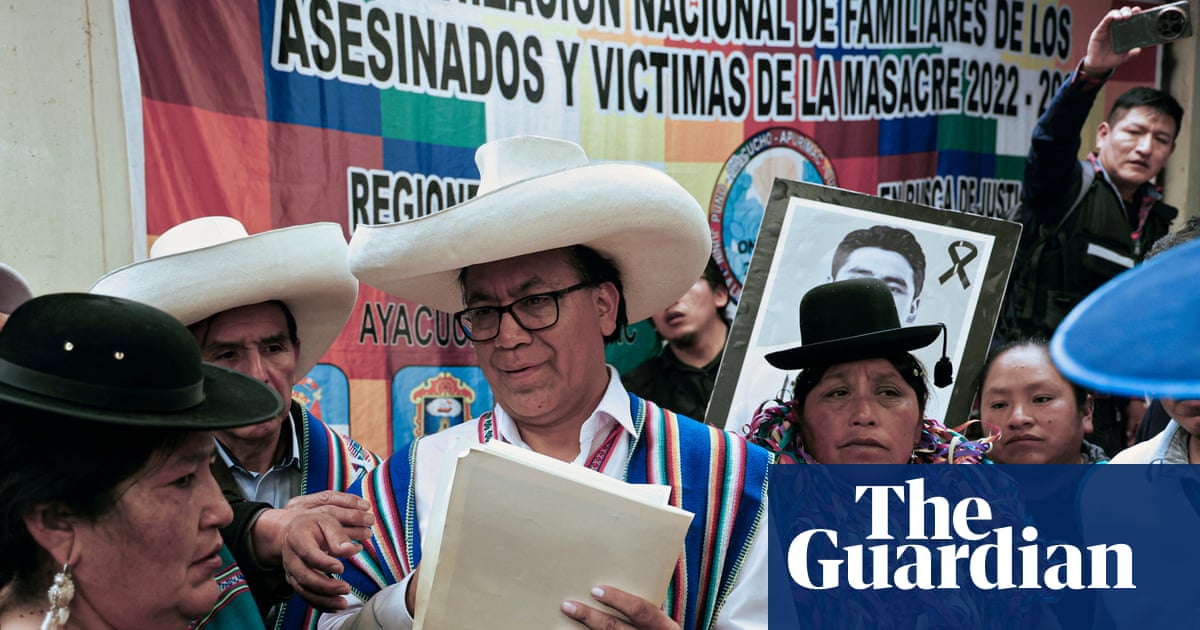
Sánchez, who served under Pedro Castillo, has built support in rural areas by claiming Castillo’s legacy and speaking to voters who felt the former president was unfairly removed. He has promised to free Castillo, push power back “to the people,” and draft a new constitution, though he has stepped back from one earlier pledge about the central bank.
The article’s main message is that Peruvians are not just choosing between left and right. They are choosing between two imperfect answers to a deeper crisis of legitimacy.
Key points
- Keiko Fujimori and Roberto Sánchez are locked in a tightly contested runoff.
- Peru has had eight presidents since July 2016, reflecting deep political instability.
- Crime, corruption and voter apathy dominate the campaign.
- Sánchez is drawing rural support by linking himself to Pedro Castillo's legacy.
- Fujimori is leaning on a tough-on-crime message but faces anti-Fujimori backlash.
A winner with a workable mandate could give Peru a more stable presidency after years of churn. If the next leader follows through on restoring trust and tackling crime, that could ease some of the public anger that has built up.
If the runoff produces another leader who cannot govern effectively, Peru’s political instability could continue. The fears described in the article, including authoritarian drift or another “bad government,” suggest voters may remain dissatisfied even after the election.