Peru’s Keiko Fujimori wins presidential election, in latest victory for Latin American right
Keiko Fujimori wins Peru's presidential election, defeating left-wing candidate Roberto Sanchez. She vows to restore order and hope after a campaign focused on rising crime and political instability.
Intelligence analysis by Llama 3.3 70B
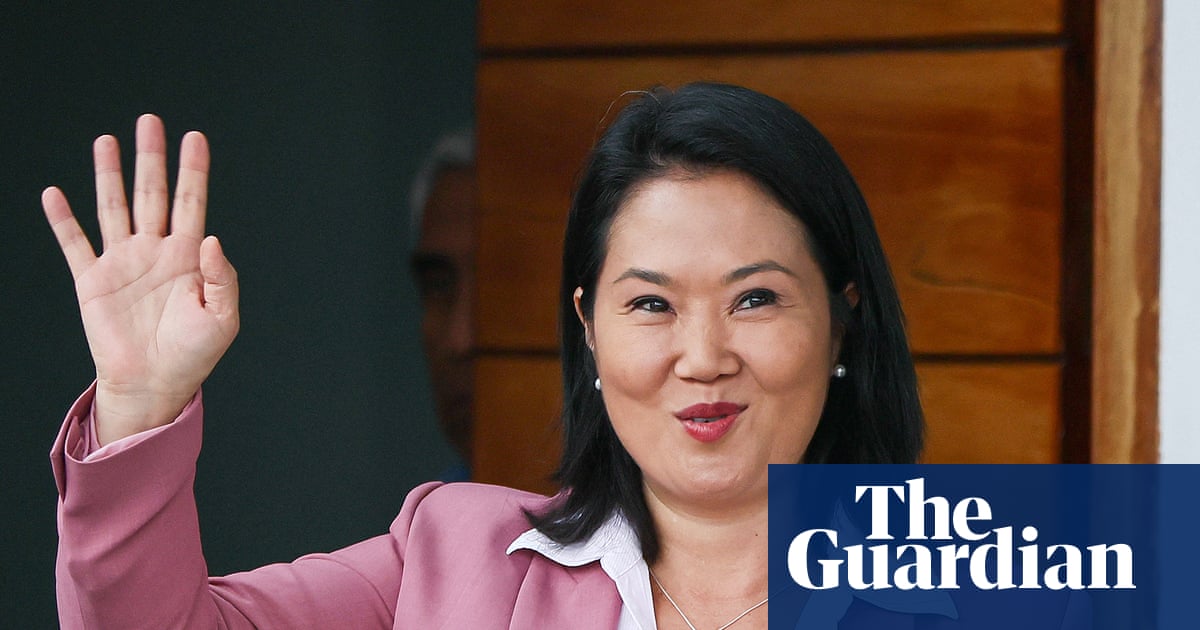
Fujimori's victory marks a win for the Latin American right, with her promising a strong hand to tackle crime and instability, despite controversy surrounding her family's past.
Imagine a country with a lot of crime and politicians who can't seem to get along. That's what's been happening in Peru. Now, a new president named Keiko Fujimori has been elected, and she promises to make things better by being tough on crime and working to make the government more stable.
Analysis
A New Era for Peru's Politics
Keiko Fujimori's victory in the presidential election marks a significant shift in Peru's political landscape, with her conservative agenda and promise to restore order and hope resonating with voters. Her campaign focused on tackling rising crime and chronic political instability, which has seen the country burn through eight presidents in a decade. Fujimori's pledge to take a strong hand, similar to that of her autocratic father, has raised concerns among critics who fear a return to authoritarianism.
The election was closely contested, with Fujimori ultimately winning by a slim margin of fewer than 50,000 votes out of over 18 million ballots cast. Her opponent, Roberto Sanchez, had warned that he would not recognize a government headed by Fujimori, alleging administrative irregularities in the handling of overseas votes. Despite this, Fujimori's victory has been confirmed, and she is set to take office on July 28 for a five-year term.
The Fujimori Legacy
Fujimori's family name has been both a help and a hindrance in her political career. Her father, Alberto Fujimori, won praise for crushing Maoist rebels and taming hyperinflation but was later disgraced, exiled, and jailed for corruption and crimes against humanity. Keiko Fujimori has worked to soften her image and distance herself from her father's authoritarian legacy, but critics remain skeptical. Millions of Peruvians harbor dark memories of her father's rule and refuse to vote for anyone named Fujimori, blocking her path to the presidency three times.
Implications for Latin America
Fujimori's victory is the latest in a series of wins for the Latin American right, with conservative candidates riding an anti-incumbent wave across the region. This shift has significant implications for regional stability and economic development, as well as for the balance of power in Latin American politics. As Peru's new president, Fujimori will face challenges in balancing her conservative agenda with the need to address the country's deep-seated social and economic issues, all while navigating the complex web of regional relationships and alliances.
Key points
- Keiko Fujimori wins Peru's presidential election
- She defeats left-wing candidate Roberto Sanchez
- Fujimori vows to restore order and hope
- Her family's legacy is complex and controversial
If Fujimori's administration can successfully tackle Peru's crime and instability issues, it could lead to increased investor confidence, economic growth, and improved living standards for Peruvians. Additionally, her victory could mark a turning point in the country's political development, potentially paving the way for more effective and stable governance.
However, if Fujimori's government fails to address the underlying social and economic issues driving Peru's instability, it could lead to further polarization and unrest. Her authoritarian tendencies and controversial family legacy also raise concerns about the potential for human rights abuses and democratic backsliding.