Petrol Dealers Demand 8pc Margin, Reject OGRA Deadline
A delegation of the Pakistan Petroleum Dealers Association met with OGRA Chairman Masroor Khan to discuss concerns over the proposed daily petrol price policy and other issues affecting petrol dealers.
Intelligence analysis by Llama
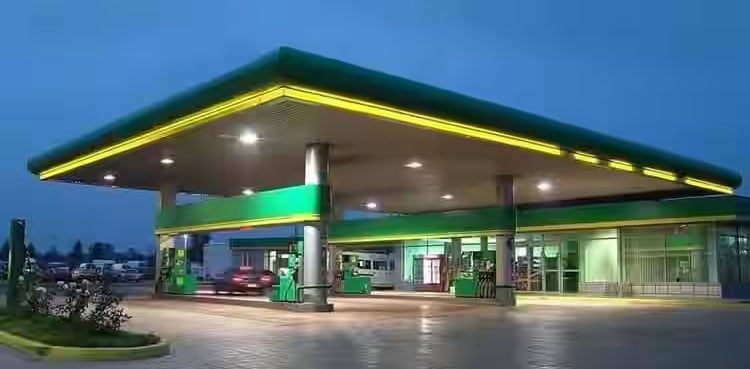
Petrol dealers in Pakistan have demanded an 8% margin, rejecting the OGRA's proposed daily petrol price policy and deregulation policy. They have called for an immediate and long-term solution to the issue of card transaction charges.
Petrol dealers in Pakistan are asking for a higher profit margin so they can stay in business. They're also complaining about a new policy that's making it hard for them to sell petrol. If the government doesn't listen to their demands, they might go on strike.
Analysis
A $60B Vote of Confidence
Petrol dealers in Pakistan have long been a crucial part of the country's economy, with thousands of people employed in the industry. However, the proposed daily petrol price policy and deregulation policy have left them feeling uncertain about their future. The Pakistan Petroleum Dealers Association (PPDA) has demanded an 8% margin, citing the need for survival in the face of increasing competition and costs. The association has also called for an immediate and long-term solution to the issue of card transaction charges, which they claim is affecting the supply chain and distribution network of oil marketing companies. The OGRA chairman has requested seven days to address the concerns, but the PPDA has declined to grant the deadline immediately. The association has called an executive committee meeting in Karachi on July 22, where dealers from across Pakistan will decide whether to accept OGRA's request. If the deadline is not met, the PPDA has threatened to launch a nationwide strike or pursue other protest options. The implications of this development are significant, with the livelihoods of thousands of people hanging in the balance. The government will need to take a firm stance on this issue to avoid any further disruptions to the economy.
Why Cursor?
The proposed daily petrol price policy and deregulation policy have left petrol dealers in Pakistan feeling uncertain about their future. The PPDA has demanded an 8% margin, citing the need for survival in the face of increasing competition and costs. The association has also called for an immediate and long-term solution to the issue of card transaction charges, which they claim is affecting the supply chain and distribution network of oil marketing companies. The OGRA chairman has requested seven days to address the concerns, but the PPDA has declined to grant the deadline immediately. The association has called an executive committee meeting in Karachi on July 22, where dealers from across Pakistan will decide whether to accept OGRA's request. If the deadline is not met, the PPDA has threatened to launch a nationwide strike or pursue other protest options.
The Road Ahead
The government will need to take a firm stance on this issue to avoid any further disruptions to the economy. The proposed daily petrol price policy and deregulation policy have significant implications for the country's economy and the livelihoods of thousands of people employed in the petroleum industry. The PPDA has demanded an 8% margin, citing the need for survival in the face of increasing competition and costs. The association has also called for an immediate and long-term solution to the issue of card transaction charges, which they claim is affecting the supply chain and distribution network of oil marketing companies. The OGRA chairman has requested seven days to address the concerns, but the PPDA has declined to grant the deadline immediately. The association has called an executive committee meeting in Karachi on July 22, where dealers from across Pakistan will decide whether to accept OGRA's request. If the deadline is not met, the PPDA has threatened to launch a nationwide strike or pursue other protest options.
Key points
- Petrol dealers in Pakistan have demanded an 8% margin, rejecting the OGRA's proposed daily petrol price policy and deregulation policy.
- The association has called for an immediate and long-term solution to the issue of card transaction charges, which they claim is affecting the supply chain and distribution network of oil marketing companies.
- The OGRA chairman has requested seven days to address the concerns, but the PPDA has declined to grant the deadline immediately.
- The association has threatened to launch a nationwide strike or pursue other protest options if the deadline is not met.
If the government listens to the petrol dealers' demands and increases their profit margin, it could lead to a more stable and efficient petroleum industry in Pakistan. This could also result in lower petrol prices for consumers and a boost to the country's economy.
If the petrol dealers' demands are not met, they might go on strike, which could lead to a shortage of petrol and higher prices for consumers. This could also have a negative impact on the country's economy and the livelihoods of thousands of people employed in the petroleum industry.