Philippines’ South China Sea education push blurs ‘teaching the truth’ lines
The Philippines is introducing legislation to standardize teaching materials on the South China Sea dispute, aiming to educate young Filipinos on the country's maritime claims.
Intelligence analysis by Gemini 2.5 Flash
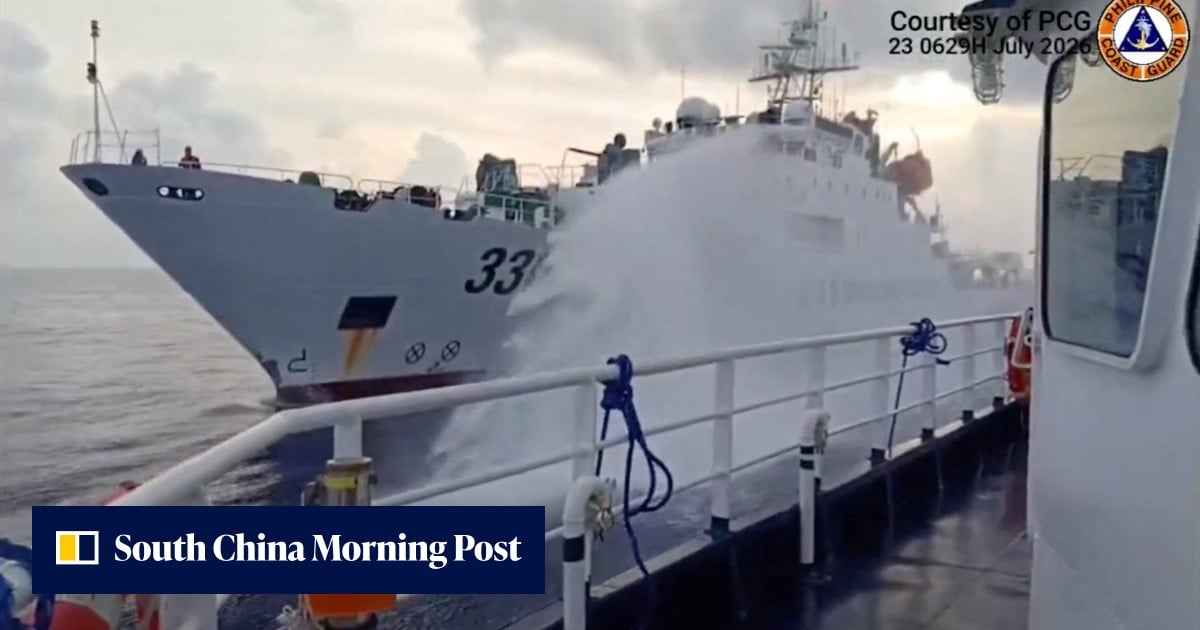
Philippine lawmakers are pushing for mandatory education on the South China Sea, citing a need to counter misinformation and strengthen public knowledge of Manila's maritime rights. This initiative, however, raises questions about the distinction between education and state narrative-building, especially as Beijing rejects the legal basis for Manila's claims.
Imagine a big playground that many kids want to play in, but some parts are tricky because different kids say they own them. The Philippines is like a kid who wants to teach all the other kids in their school exactly why they believe certain parts of the playground belong to them, using the rules everyone agreed on. They want to make sure everyone knows the 'truth' about their claims, so no one gets confused by other kids' stories.
Analysis
The Philippines' legislative push to integrate the South China Sea dispute into its national curriculum marks a significant shift in its approach to the long-standing maritime conflict. This move, spearheaded by congressmen in the House of Representatives, aims to instill a standardized understanding of the country's sovereign rights and entitlements among its youth. The proposed bill mandates the Department of Education and the Commission on Higher Education to develop teaching materials grounded in key legal documents, including the Philippine constitution, the Maritime Zones Act, the United Nations Convention on the Law of the Sea (Unclos), and the pivotal 2016 arbitral ruling.
House of Representatives
The initiative from the House of Representatives underscores a deliberate effort to counter what lawmakers perceive as a flood of misinformation and propaganda regarding the South China Sea. By requiring educational institutions to adopt a unified curriculum, the Philippine government seeks to ensure that future generations are equipped with an "accurate, evidence-based knowledge" of their nation's claims. This legislative action reflects a growing concern within Manila about external narratives influencing public perception, particularly among younger demographics who are highly susceptible to information disseminated through social media. The lawmakers' joint statement explicitly highlights the duty to teach the truth, framing it as essential for advocating a rules-based international order.
2016 arbitral ruling
A cornerstone of the proposed educational materials is the 2016 arbitral ruling by the Permanent Court of Arbitration, which unequivocally found China’s expansive claims in the South China Sea to have no legal basis under international law. This ruling is a critical legal victory for the Philippines, yet it has been consistently rejected by Beijing as “illegal, null and void.” China maintains that disputes in the South China Sea should be resolved through direct negotiations, a stance that directly conflicts with Manila's reliance on international legal frameworks. By embedding the arbitral ruling into the national curriculum, the Philippines is not only reinforcing its legal position domestically but also subtly challenging China's narrative on a foundational level, shaping the understanding of its citizens from an early age.
Young Filipinos
The focus on young Filipinos as the primary beneficiaries of this educational push reveals a long-term strategy to cultivate a strong national identity rooted in the country's maritime claims. Lawmakers believe that by educating students on the facts of the dispute, they will grow up armed with knowledge that empowers them to defend their nation's sovereign rights. This approach aims to create a generation of informed citizens who are resilient to external propaganda and united in their understanding of the South China Sea issue. However, analysts suggest that this initiative could blur the lines between education and state narrative-building, potentially leading to accusations of indoctrination rather than objective teaching, which could further complicate the already fraught relationship with China.
Key points
- The Philippines is legislating mandatory education on the South China Sea dispute for its students.
- The curriculum will be based on the Philippine constitution, Maritime Zones Act, UNCLOS, and the 2016 arbitral ruling.
- Lawmakers aim to counter misinformation and strengthen public knowledge of Manila's maritime rights.
- China rejects the 2016 arbitral ruling as 'illegal, null and void' and prefers direct negotiations.
- Analysts suggest the initiative blurs lines between education and state narrative-building.
This educational initiative could foster a more informed and unified citizenry in the Philippines, strengthening national resolve regarding its maritime claims. By grounding future generations in international law and historical facts, it may lead to a more coherent and robust national policy on the South China Sea.
The move risks being perceived as state-sponsored propaganda, potentially escalating tensions with China and drawing international criticism regarding academic freedom. It could also lead to a more entrenched and less flexible stance from the Philippines, making future diplomatic resolutions more challenging.