Philippines’ UN defeat: a result of domestic ‘political circus’, close ties with US?
The Philippines lost its bid for a UN Security Council seat to Kyrgyzstan after four rounds of voting.
Intelligence analysis by GPT-5.4 Mini
Analysts say Manila’s defeat reflected Kyrgyzstan’s appeal as a neutral, under-represented Central Asian candidate, while the Philippines carried geopolitical baggage as a close US ally. Domestic infighting between the Marcos and Duterte camps may also have hurt its image.
The Philippines asked other countries to give it a chair at a big world table, but Kyrgyzstan got it instead. It was a bit like a school election where the quieter, less represented student won because others thought that choice felt fairer and less tied to big powers.
Analysis
What happened
The Philippines lost its bid for an elected seat on the UN Security Council, taking 49 votes after four rounds while Kyrgyzstan won 142 and secured the Asia-Pacific seat for the 2027-2028 term. It is a sharp reversal for Manila’s long-running effort to build prestige through the council.
Why Kyrgyzstan won
Analysts quoted in the article point to three main factors. First, Kyrgyzstan benefited from being seen as a neutral candidate. Second, Central Asia remains under-represented in the council, which may have made its case more attractive. Third, the Philippines may have faced “geopolitical baggage” because it is a close treaty ally of the United States.
Domestic politics and foreign policy image
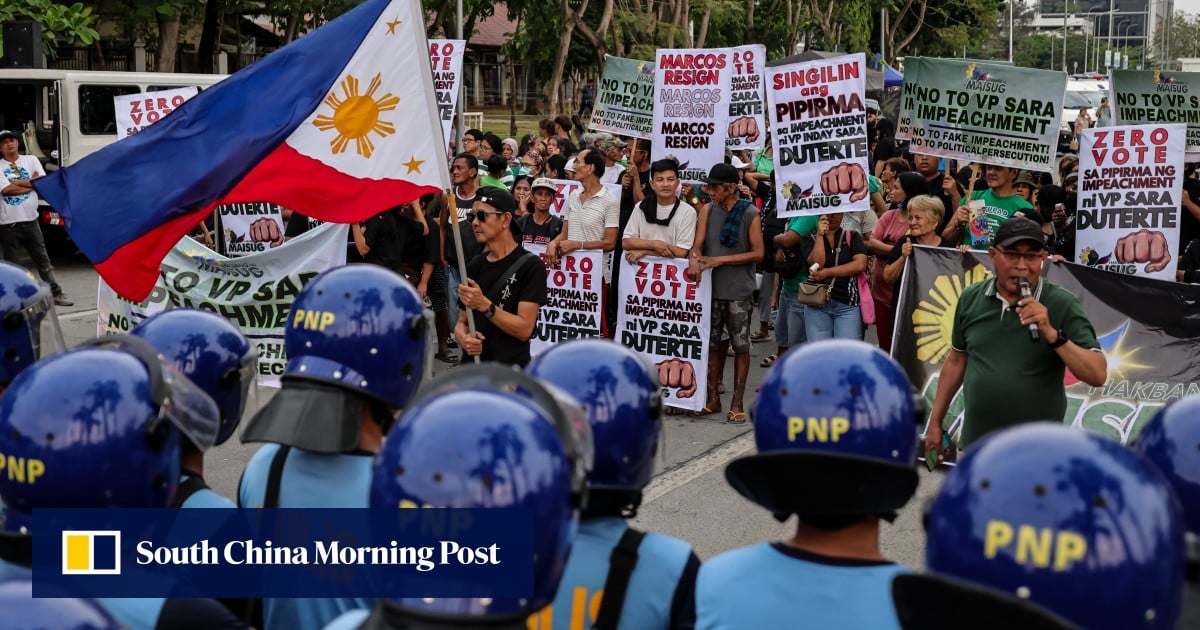
The article says Manila’s internal political turmoil may also have weakened perceptions of its candidacy. A bitter power struggle between the Marcos and Duterte camps has been unfolding, and that domestic “political circus” could have weighed on how other states viewed the Philippines’ bid.
What the result means
The defeat is a blow to President Ferdinand Marcos Jr.’s effort to raise the Philippines’ international diplomatic profile through the Security Council. It also shows that even in a vote for a non-permanent seat, neutrality, regional representation, and broader geopolitical perceptions can matter as much as diplomatic campaigning.
The council has five permanent members with veto power - the US, China, Russia, the UK and France - plus 10 elected members who serve two-year terms. Kyrgyzstan’s coming term will be its first, and only the second time a Central Asian country has held a seat after Kazakhstan in 2017-2018.
Key points
- The Philippines lost the UN Security Council vote to Kyrgyzstan after four rounds.
- Kyrgyzstan won 142 votes; the Philippines got 49.
- Analysts said Kyrgyzstan benefited from perceptions of neutrality and Central Asia’s under-representation.
- The Philippines may have been hurt by its close treaty alliance with the United States.
- Domestic conflict between the Marcos and Duterte camps may also have weakened Manila’s bid.
The loss could push the Philippines to sharpen its diplomacy and repair the image problems that analysts said may have hurt its campaign. If Manila addresses domestic instability and clarifies its foreign policy, it may be better placed for future multilateral bids.
The defeat may reinforce the idea that the Philippines is too closely tied to US strategy to win broad support in neutral forums. If domestic infighting continues, it could keep undermining Manila’s credibility in international campaigns.