Pimpri-Chinchwad water cut rules: Treated water must for gardens, construction centres
The Pimpri-Chinchwad Municipal Corporation (PCMC) has implemented a 10% water cut and will inspect car washing centers and construction sites to prevent water misuse. Housing societies are warned to use treated water for non-drinking purposes or face action, as the region…
Intelligence analysis by Gemini 2.5 Flash
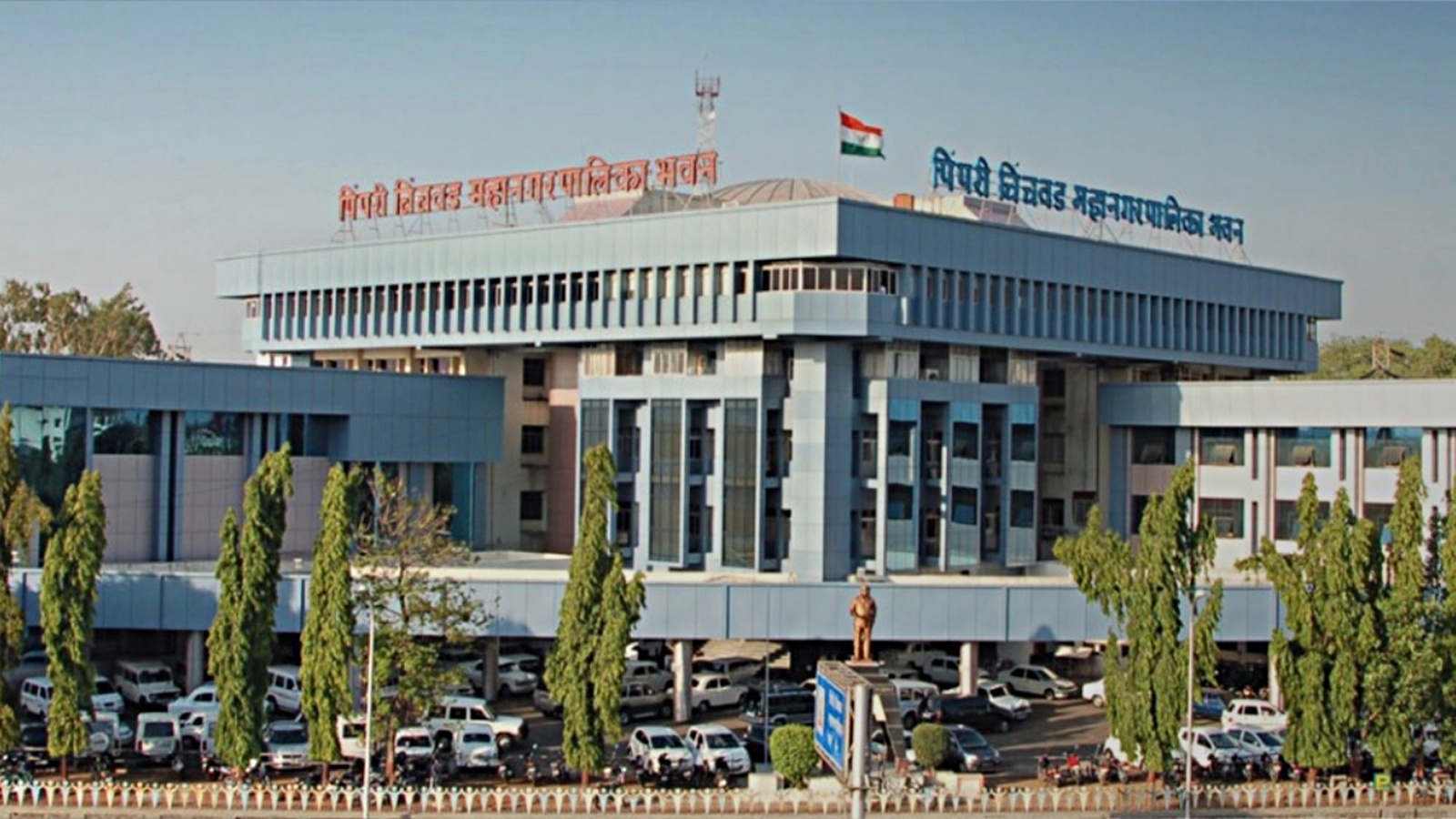
Facing potential water scarcity due to deficient rainfall and the El Niño effect, the Pimpri-Chinchwad Municipal Corporation has imposed a 10% water cut and is intensifying efforts to conserve drinking water. This includes mandating the use of treated water for gardens and construction, inspecting commercial establishments, and considering criminal action against those misusing water …
Imagine your town is like a big garden, and the rain hasn't been enough to water all the plants. So, the grown-ups in charge are asking everyone to use less water, especially the good drinking water. They want people to use recycled water for things like watering flowers or building houses, instead of the clean water you drink. If you don't follow the rules, they might even turn off your water! It's all to make sure there's enough water for everyone until next year.
Analysis
The Pimpri-Chinchwad Municipal Corporation (PCMC) has initiated stringent measures to combat an impending water crisis, driven by deficient rainfall and the anticipated El Niño effect. The civic body has not only implemented a 10 percent water cut but is also enforcing strict regulations on water usage across residential and commercial sectors. This proactive approach aims to conserve the existing water storage and ensure its availability for an extended period, specifically until August 31, 2027, as per government directives.
Pavana Dam
The primary water source for Pimpri-Chinchwad, the Pavana dam, currently holds 97 percent of its capacity. Despite this seemingly high level, civic officials emphasize that the 10 percent reduction is a preemptive measure. This is crucial because the dam's water is not solely for drinking purposes but also supplies water for rabi crops in Maval taluka, a significant agricultural region. Furthermore, the executive engineer of the Water Supply Department, Mahesh Baride, highlighted that after January, rising heat conditions will lead to increased evaporation, further depleting the dam's levels and necessitating more severe water cuts.
To mitigate future shortages, the PCMC has curtailed its daily lifting from Pavana dam from 530 million litres per day (MLD) to 480 MLD. Similarly, supply from the Andra dam has been reduced from 90 MLD to approximately 80 MLD. These reductions are part of a broader strategy to manage water resources sustainably, acknowledging that current levels, while adequate, are subject to seasonal and climatic pressures.
Vijay Suryavanshi
Municipal Commissioner Vijay Suryavanshi has been at the forefront of these conservation efforts, appealing to citizens to use drinking water responsibly and sparingly. He underscored the importance of every drop saved, stating it would secure water supply for the upcoming year. Suryavanshi also announced the appointment of special inspection squads at the ward level to prevent water misuse, signaling a serious commitment to enforcement.
Under his leadership, the PCMC has issued stern warnings to housing societies, mandating the use of treated water from Sewage Treatment Plants (STPs) and Greywater Treatment Plants (GTPs) for non-potable uses like gardens, lawns, and plants. Failure to comply will result in action, including permanent disconnection of water connections for societies with non-functional STPs. Furthermore, Suryavanshi stated that criminal cases would be filed against offenders found using unauthorized drinking water connections in vehicle service centers, with immediate disconnections.
10 Per Cent Water Cut
The implementation of a 10 percent water cut from Saturday is a direct response to India Meteorological Department (IMD) forecasts predicting below-normal rainfall for the state this year and next, primarily due to the El Niño effect. This cut is part of a government instruction to all municipal corporations to enforce supply reductions to sustain available water storage. The PCMC has initiated comprehensive actions for water planning and conservative usage, including stopping drinking water supply to labor camps at construction sites, which previously received half-inch pipelines.
Officials will conduct surprise checks at car washing centers and construction sites to ensure that borewell water, or even tanker water, is not misused or drawn from municipal pipelines using electric pumps. New water connections will be restricted for new housing projects, strictly for drinking purposes, and no new connections will be granted to washing centers or other large commercial projects. The civic body is also exploring alternative local water sources, such as assessing the yield capacity of 83 identified wells within PCMC limits, with plans for formal acquisition if reservoir supplies further deplete during peak summer months.
Key points
- Pimpri-Chinchwad Municipal Corporation (PCMC) has implemented a 10% water cut due to deficient rainfall and El Niño forecasts.
- Housing societies must use treated water from STPs/GTPs for gardens and lawns, or face permanent disconnection.
- Inspections will target car washing centers and construction sites to prevent misuse of drinking water, with criminal cases threatened for offenders.
- Daily water lifting from Pavana and Andra dams has been curtailed to conserve supply until August 31, 2027.
- New water connections for commercial projects like washing centers are halted, and new housing projects will receive restricted drinking water connections.
The proactive measures by the PCMC, including water cuts and strict enforcement of treated water usage, could significantly conserve resources and prevent a more severe water crisis. If citizens and businesses comply, these efforts could foster a culture of responsible water management, ensuring sustainable supply for the future and mitigating the impact of deficient rainfall.
Despite the PCMC's efforts, public non-compliance, challenges in enforcement, and continued deficient rainfall due to the El Niño effect could undermine the conservation goals. This might lead to more drastic water cuts, potential social unrest, and economic disruption, especially for industries heavily reliant on water.