PM directs timely, high-quality completion of development projects
Prime Minister Shehbaz Sharif has directed that all national development projects be completed within their stipulated timelines and with high quality, prioritizing public welfare and economic growth.
Intelligence analysis by Gemini 2.5 Flash
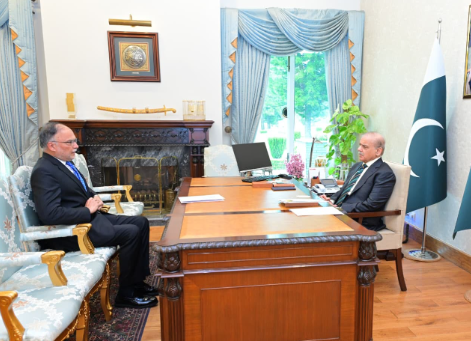
During a meeting with the Federal Minister for Planning, Development, and Special Initiatives, PM Sharif emphasized that timely project completion is a government priority to ensure public welfare, create employment, and achieve sustainable economic growth, urging enhanced inter-ministerial cooperation.
Imagine the government is building new roads, schools, and hospitals for everyone. The Prime Minister wants to make sure these projects are finished on time, like when you promise to finish your homework before playing, and built really well, like making sure your LEGO castle is strong. This way, people can get jobs, and everyone can use the new facilities quickly and safely.
Analysis
Emphasizing Project Execution
Prime Minister Shehbaz Sharif's directive for the timely and high-quality completion of national development projects underscores a critical focus on governance and public service delivery. This emphasis reflects a recognition that delays and substandard work not only waste public funds but also hinder the intended benefits from reaching the populace. The Prime Minister's stance highlights a commitment to accountability and efficiency within government-led initiatives, aiming to streamline processes and ensure that projects translate into tangible improvements for citizens.
Effective project execution is often a bottleneck in many developing economies, leading to cost overruns, missed deadlines, and ultimately, a erosion of public trust. By explicitly calling for both speed and quality, PM Sharif is setting a clear standard for ministries and departments involved in these crucial undertakings. This directive is particularly pertinent in a country like Pakistan, where large-scale infrastructure and social development projects are essential for economic upliftment and improving living standards across diverse regions.
The Role of PSDP and Economic Growth
The discussions during the meeting specifically touched upon ongoing development projects across the country and the progress made under the Public Sector Development Programme (PSDP). The PSDP is the primary instrument through which the Pakistani government funds its development initiatives, ranging from infrastructure to social sector projects. The Prime Minister's focus on the PSDP's implementation status indicates a strategic approach to leveraging these investments for broader economic objectives.
Timely completion of these projects is directly linked to the government's stated goals of ensuring public welfare, creating employment opportunities, and achieving sustainable economic growth. Infrastructure projects, for instance, not only provide direct jobs during construction but also facilitate trade, commerce, and connectivity, which are vital for long-term economic prosperity. Similarly, social sector projects in health and education contribute to human capital development, a cornerstone of sustainable growth. The directive aims to unlock these benefits without undue delay, ensuring that the economic stimulus and welfare improvements are realized sooner.
Fostering Inter-Ministerial Synergy
A key instruction from Prime Minister Shehbaz Sharif was for all relevant ministries and departments to enhance mutual cooperation and coordination. This highlights a common challenge in large-scale government projects: departmental silos and a lack of integrated planning can often impede progress. By calling for greater synergy, the Prime Minister is advocating for a more collaborative approach to project management.
Improved coordination can lead to more efficient resource allocation, faster problem-solving, and a more holistic approach to development challenges. When ministries work together seamlessly, it reduces bureaucratic hurdles and accelerates the pace of project implementation, ensuring that the benefits reach the public at the earliest. This emphasis on collective responsibility and integrated effort is crucial for overcoming systemic inefficiencies and ensuring that national development goals are met effectively and sustainably.
Key points
- Prime Minister Shehbaz Sharif directed timely and high-quality completion of all national development projects.
- The directive emphasizes public welfare, employment generation, and sustainable economic growth as key priorities.
- Discussions covered ongoing projects and progress under the Public Sector Development Programme (PSDP).
- PM Sharif called for enhanced cooperation and coordination among relevant ministries and departments.
- The goal is to accelerate project pace to ensure benefits reach the public as early as possible.
If these directives are effectively implemented, Pakistan could see a significant boost in infrastructure and social services, leading to improved public welfare, increased employment opportunities, and a more robust, sustainable economic growth trajectory across the nation.
Without stringent oversight and accountability, these directives might face typical bureaucratic hurdles, leading to project delays, cost overruns, and compromised quality, ultimately failing to deliver the intended public welfare and economic benefits.