PM Expresses National Resolve to Eliminate Hepatitis, Ensure Equitable Health Facilities to All
Prime Minister Muhammad Shehbaz Sharif reaffirmed the government's commitment to eliminating hepatitis and ensuring equitable access to quality screening, diagnosis, and treatment services for all citizens. He urged Pakistanis to undergo timely hepatitis C screening and a…
Intelligence analysis by Llama
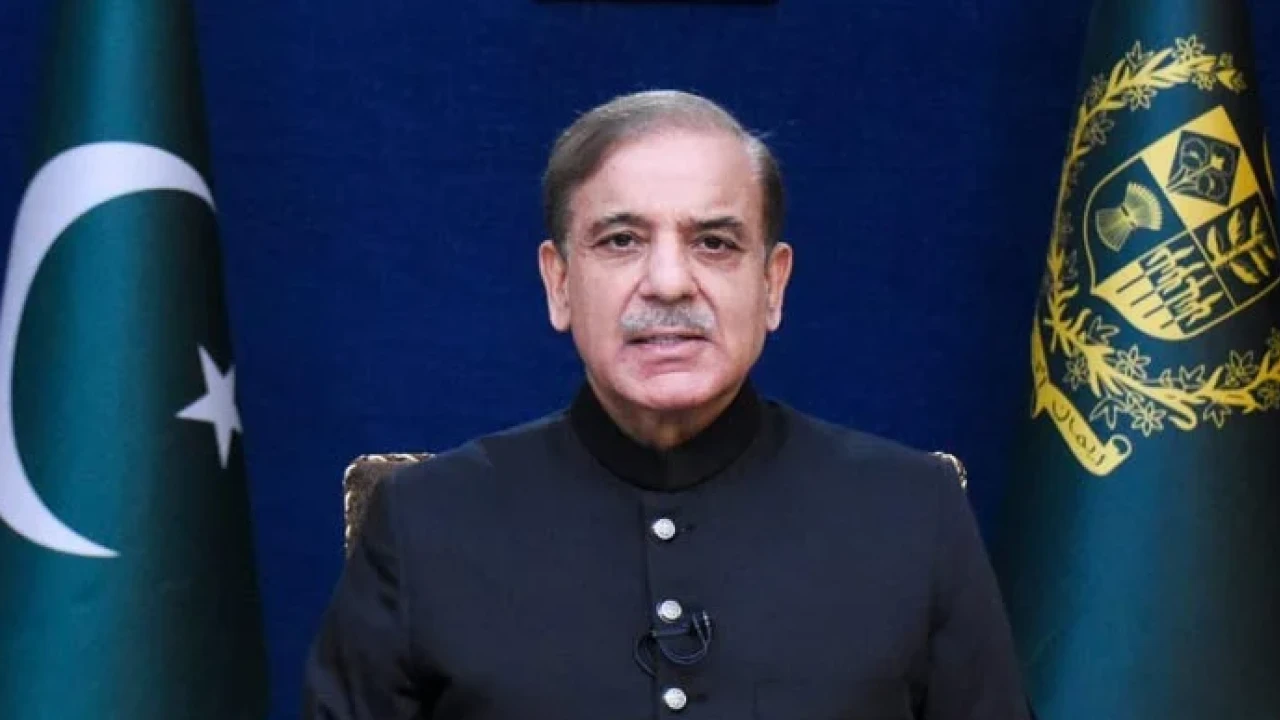
The Prime Minister reaffirmed the government's commitment to eliminating hepatitis and ensuring equitable access to quality screening, diagnosis, and treatment services for all citizens. He urged Pakistanis to undergo timely hepatitis C screening and adopt safe healthcare and hygiene practices to prevent the spread of infection.
The Prime Minister wants to make sure everyone in Pakistan has access to good healthcare and can get tested for a disease called hepatitis. He's asking people to get tested and be careful about how they take care of themselves to prevent the spread of the disease.
Analysis
A National Commitment to Eliminating Hepatitis
The Prime Minister's reaffirmation of the government's commitment to eliminating hepatitis is a significant step towards addressing this serious public health challenge. Pakistan has one of the highest burdens of Hepatitis C, and the government has been confronting this challenge for decades. The Prime Minister's National Programme for the Elimination of Hepatitis C Infection, launched in 2025, aims to provide millions of Pakistanis with free and timely screening, confirmatory testing, and effective treatment.
Ensuring Equitable Access to Quality Services
The Prime Minister emphasized the importance of ensuring equitable access to quality screening, diagnosis, and treatment services for all citizens. He urged Pakistanis to undergo timely hepatitis C screening and adopt safe healthcare and hygiene practices to prevent the spread of infection. The government has imposed a complete ban on the manufacture, distribution, and reuse of substandard syringes to curb the spread of this deadly disease.
A Collective Effort to Eliminate Hepatitis
The Prime Minister urged all Pakistanis to participate in the national effort to eliminate hepatitis. He commended doctors, nurses, laboratory professionals, and frontline healthcare workers for their dedication and service in preventing and combating disease. He urged them to continue setting exemplary standards of professional excellence, commitment, and compassion in the discharge of their duties.
Key points
- The Prime Minister reaffirmed the government's commitment to eliminating hepatitis and ensuring equitable access to quality screening, diagnosis, and treatment services for all citizens.
- The government has launched the Prime Minister's National Programme for the Elimination of Hepatitis C Infection to provide millions of Pakistanis with free and timely screening, confirmatory testing, and effective treatment.
- The Prime Minister urged Pakistanis to undergo timely hepatitis C screening and adopt safe healthcare and hygiene practices to prevent the spread of infection.
- The government has imposed a complete ban on the manufacture, distribution, and reuse of substandard syringes to curb the spread of this deadly disease.
If the government's efforts to eliminate hepatitis are successful, it could lead to a significant reduction in the number of people affected by the disease. This, in turn, could lead to improved health outcomes and a better quality of life for Pakistanis.
If the government's efforts to eliminate hepatitis are unsuccessful, it could lead to a continued high burden of the disease in Pakistan. This could result in significant health and economic costs for the country.