PM Shehbaz, Nawaz Sharif discuss country’s political situation
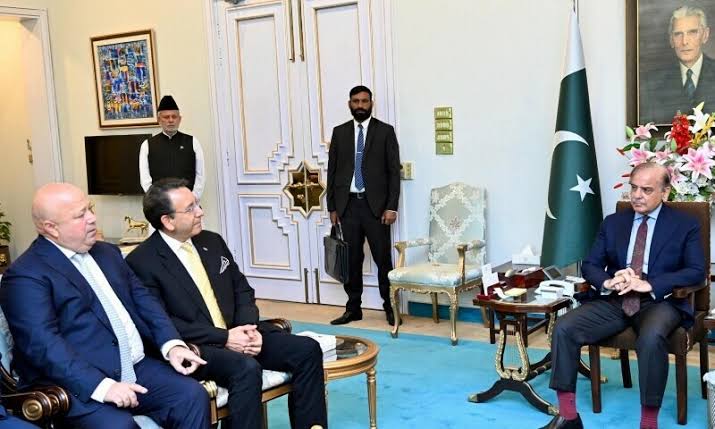
Prime Minister Shehbaz Sharif met with PML-N President Nawaz Sharif and Punjab Chief Minister Maryam Nawaz at Jati Umra to discuss Pakistan's political situation and other crucial matters.
Intelligence analysis by Gemini 2.5 Flash
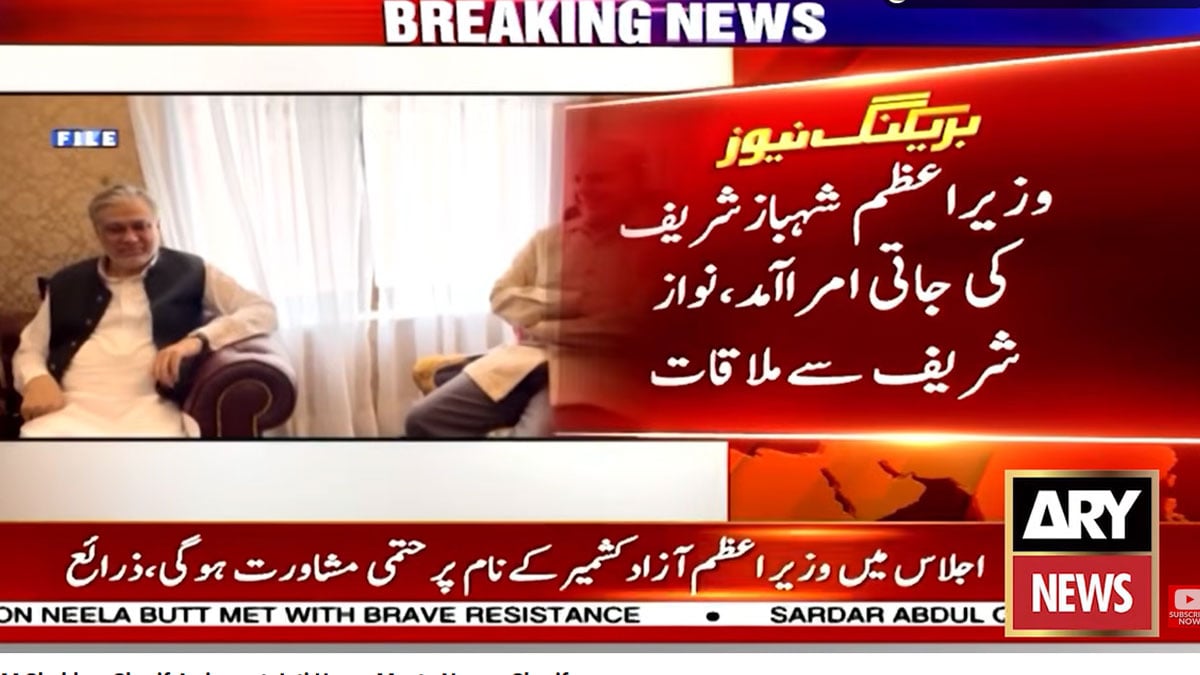
A high-level meeting involving Prime Minister Shehbaz Sharif, Nawaz Sharif, and Maryam Nawaz took place at Jati Umra, focusing on the current political landscape of Pakistan and key party decisions, including the selection of the next Prime Minister for Azad Jammu and Kashmir.
Imagine a big family meeting where the grown-ups, like the Prime Minister and his brother, talk about important things for their whole country. They discussed who should be the new leader of a special area called AJK and also why the price of petrol, which makes cars go, has gone up. It's like they're planning how to make things better for everyone.
Analysis
The recent gathering at Jati Umra underscores the centralized decision-making within the Pakistan Muslim League-Nawaz (PML-N), with Prime Minister Shehbaz Sharif consulting extensively with party patriarch Nawaz Sharif and Punjab Chief Minister Maryam Nawaz. Such meetings are pivotal for aligning the party's stance on various national challenges and ensuring a cohesive approach to governance. The presence of key figures suggests that the discussions covered a broad spectrum of issues, from immediate political concerns to long-term strategic planning for the party and the country.
Jati Umra
Jati Umra, the Sharif family's residence, frequently serves as the unofficial headquarters for critical PML-N deliberations, highlighting the family's enduring influence over the party's affairs. This location symbolizes the nexus of political power and familial ties within the PML-N, where major decisions are often made before being formally announced or implemented. The choice of Jati Umra for such high-stakes discussions reinforces the traditional power structure within the party, emphasizing the consultative role of Nawaz Sharif.
The meeting's agenda included a review of the country's overall political and economic situation, indicating the leadership's focus on both immediate governance challenges and broader national stability. The discussions likely involved internal party strategies, responses to opposition movements, and preparations for future political events. This centralized approach aims to present a united front and streamline decision-making processes within the ruling party.
Azad Jammu and Kashmir
A significant point of discussion was the final consultation regarding the nomination of the next prime minister of Azad Jammu and Kashmir (AJK). This decision is crucial for the region's governance and reflects the PML-N's commitment to maintaining its political influence there. The article specifically mentions Shah Ghulam Qadir and Tariq Farooq as the two candidates under consideration, signaling an imminent decision.
The selection of the AJK Prime Minister is not merely a regional matter but also carries implications for national politics, as it demonstrates the PML-N's capacity to manage its alliances and appointments across different administrative units. The party leadership's involvement in this decision highlights the strategic importance of AJK within their political framework. A smooth and consensual nomination would project an image of strong leadership and internal harmony.
Ishaq Dar
Deputy Prime Minister and Foreign Minister Senator Ishaq Dar's participation in an earlier meeting at Jati Umra, where he briefed Nawaz Sharif on the reasons behind recent increases in petroleum prices, points to the economic challenges facing the government. Nawaz Sharif's call for public relief amid these price hikes indicates a sensitivity to public sentiment and the economic burden on citizens. This suggests that economic policy, particularly concerning essential commodities, remains a top priority for the party's leadership.
Ishaq Dar's role in explaining the economic rationale behind fuel price adjustments underscores the government's efforts to manage public expectations and justify difficult economic decisions. The discussions around petrol prices are particularly sensitive, as they directly impact the cost of living for ordinary Pakistanis. Addressing these concerns effectively is vital for maintaining public trust and political stability, especially in a challenging economic environment.
Key points
- PM Shehbaz Sharif met with PML-N President Nawaz Sharif and Punjab CM Maryam Nawaz at Jati Umra.
- The meeting focused on Pakistan's political situation and other important matters.
- Final consultations for the nomination of the next Azad Jammu and Kashmir (AJK) Prime Minister were held.
- Shah Ghulam Qadir and Tariq Farooq are the two candidates for the AJK PM position.
- Nawaz Sharif had previously called for public relief amidst recent increases in petrol prices.
- Deputy PM Ishaq Dar briefed Nawaz Sharif on the reasons for petroleum price hikes.
The high-level discussions could lead to a unified and effective strategy for addressing Pakistan's political and economic challenges, fostering stability and public confidence. A consensual decision on the AJK Prime Minister could also ensure smooth governance in the region.
Potential disagreements within the PML-N leadership regarding key appointments or economic policies, such as petrol prices, could lead to internal party rifts or increased public dissatisfaction, complicating the government's ability to govern effectively.