Police can use force to move body parts during strip-searches, NSW argues in appeal court
NSW is appealing a ruling that police lacked express power to use reasonable force during strip-searches. The case stems from a class action over festival searches between 2018 and 2022.
Intelligence analysis by GPT-5.4 Mini
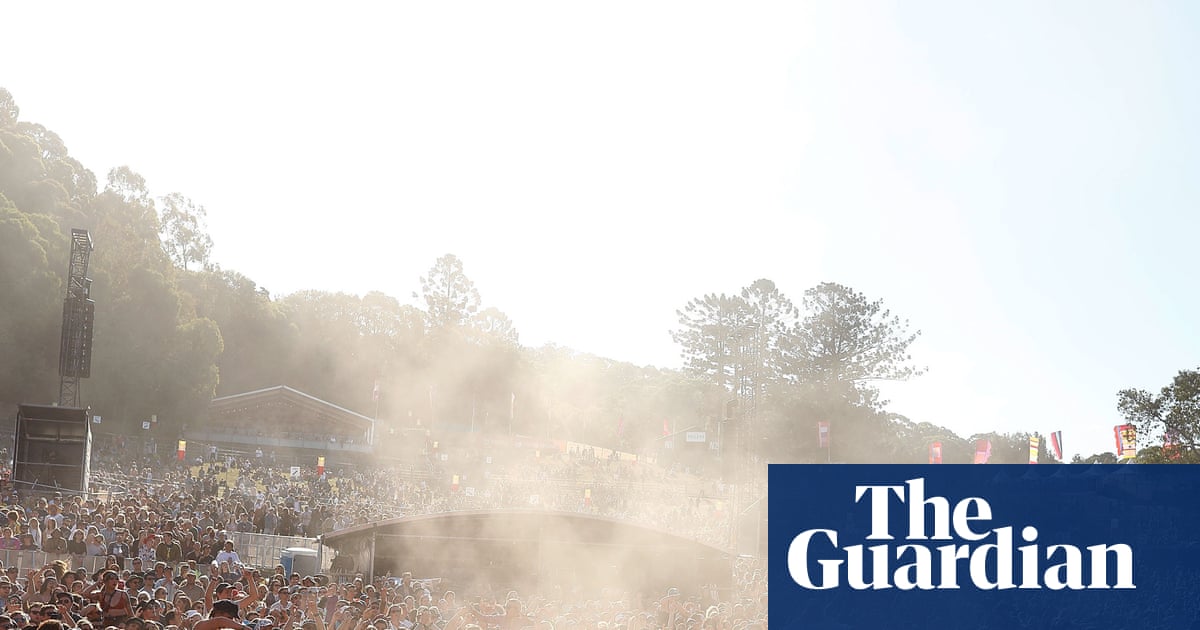
New South Wales is trying to overturn a landmark ruling after losing a class action over strip-searches at music festivals. The state says police should be allowed to use reasonable force to move body parts when a person will not comply with a search.
NSW police and the courts are arguing over how much force officers can use when searching someone. It is like a teacher wanting to check a backpack but arguing about whether they can move the bag around if the student keeps it closed.
Analysis
What NSW is arguing
New South Wales is seeking leave to appeal a ruling that police do not have an express power to use reasonable force to move a person's body parts during a strip-search. The state says the law, read as a whole, allows officers to use force that is reasonably necessary to carry out the search.
Where the case comes from
The appeal follows a class action brought by Slater and Gordon and the Redfern Legal Centre over strip-searches at music festivals between 2018 and 2022. The state admitted in May 2025 that it had unlawfully strip-searched lead plaintiff Raya Meredith, which shortened the hearing in the earlier case. Meredith was the only witness in the class action, which has more than 6,000 members.
The earlier ruling
Justice Dina Yehia found in September that police suspicion that someone might have a personal quantity of prohibited drugs was not enough to justify a strip-search. She also awarded Meredith $93,000, including $20,000 in aggravated damages, after describing conduct that was heavily criticised during the hearings.
The current dispute
On Thursday, NSW barrister Perry Herzfield SC argued that the judge made errors in six findings. He said the law permits officers to use force to move a person's body parts if needed, but not body cavities, and only for a visual inspection rather than a search by touch. He warned the ruling could affect searches beyond festivals, including situations where police suspect a weapon is hidden.
The appeal is being heard by Chief Justice Andrew Bell, President Julie Ward, and justices Anthony Payne, Anna Mitchelmore and Kristina Stern.
Key points
- NSW is appealing a ruling that police lack express power to use reasonable force during strip-searches.
- The case comes from a class action over festival strip-searches between 2018 and 2022.
- Lead plaintiff Raya Meredith was strip-searched at Splendour in the Grass in 2018, and the court awarded her $93,000.
- The state says the law allows reasonable force for visual inspections, but not cavity searches or touch-based examinations.
- The appeal could affect police powers in festival searches and other situations involving suspected weapons or drugs.
If the appeal succeeds, NSW could get clearer rules for when officers may use reasonable force during strip-searches. That clarity may help police apply the law more consistently in future searches. A clearer ruling could also narrow disputes over what officers are allowed to do during visual inspections versus more intrusive searches.
If the appeal fails, NSW police may face tighter limits on strip-searches and more scrutiny over past and future searches. That could also leave the state exposed to further criticism in cases where people say they were searched without proper legal basis. The class action outcome could also reinforce claims for damages and make future police conduct in similar settings more legally risky.