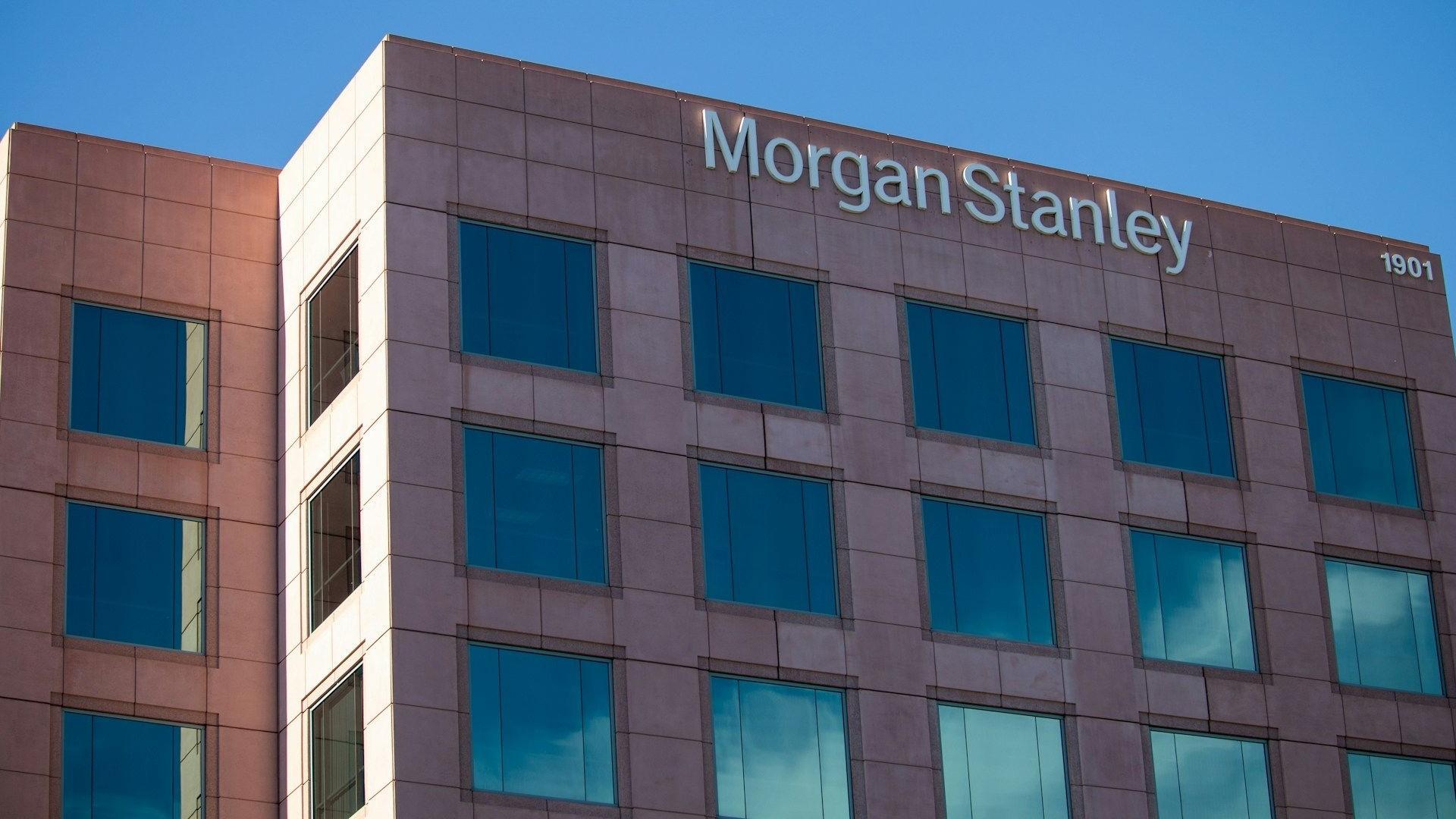
Polymarket says No for May, Yes for June after Strategy's recent bitcoin sale
Polymarket settled a disputed Strategy bitcoin-sale market as No for May and Yes for June after UMA voters focused on the June 1 disclosure date.
Intelligence analysis by GPT-5.4 Mini

Strategy’s late-May bitcoin sale triggered a Polymarket dispute over which date mattered for settlement. UMA token holders decided the May market should resolve No and the June market Yes, because the public disclosure came on June 1.
A company sold some bitcoin near the end of May, but told everyone about it on June 1. People betting on Polymarket argued over whether the game should count the sale date or the announcement date, and the crowd of voters picked the announcement date.
Analysis
What happened
Polymarket’s prediction markets around Strategy’s bitcoin sale were resolved in a way that split the difference between the transaction timing and the disclosure timing. The May 31 market was settled No, while the June 30 market was settled Yes after UMA token holders voted on the dispute.
Why the dispute started
Strategy disclosed on June 1 that it had sold 32 bitcoin between May 26 and May 31. Traders who held Yes on the May market argued the sale clearly happened before the end of May, so the market should have resolved in their favor. Others argued the key date was when the sale became public, not when it occurred internally.
How it was decided
UMA token holders, who act as Polymarket’s dispute-resolution layer, sided with the view that the June 1 disclosure controlled the outcome. The article says a small number of large holders drove the result, including borntoolate.eth, which cast 3.11 million voting weight for No. Other large No votes came from UMA contributor Kevin Chan and several other wallets with more than 1 million voting weight each.
Reaction and implications
Galaxy Research objected publicly, saying Strategy’s SEC filing explicitly stated that the company sold the bitcoin between May 26 and May 31. The firm argued that the market should have resolved Yes based on the sale date itself.
The episode matters because it tests how well decentralized prediction markets handle ambiguous wording. It also raises questions about whether settlement power is too concentrated among a few large UMA voters, especially when the vote outcome runs against the apparent economic event traders were betting on.
Key points
- Polymarket resolved the May contract as No and the June contract as Yes after an UMA vote.
- The dispute centered on whether Strategy’s sale date or its June 1 disclosure date should control settlement.
- Strategy said it sold 32 bitcoin between May 26 and May 31.
- Large UMA voters, including wallets linked to Risk Labs and other big holders, swung the decision toward No for May.
- Galaxy Research publicly criticized the ruling and said the market should have resolved Yes.
If the dispute process is accepted, Polymarket’s markets may become more predictable by tying settlements to clear public disclosure dates. That could reduce future fights over what counts and when a market should close.
If traders think the ruling ignored the real transaction date, confidence in Polymarket’s settlement rules could weaken. The vote also reinforces concerns that a small group of large UMA holders can dominate outcomes.