PPP's Mukhtar Ahmad Abbas wins LA-29 Muzaffarabad City 3 in AJK elections phase two
Pakistan People's Party candidate Mukhtar Ahmad Abbas has won the LA-29 Muzaffarabad-III seat in the second phase of Azad Jammu and Kashmir elections, securing 19,792 votes against PML-N's Syed Iftikhar Gillani who received 16,413.
Intelligence analysis by Llama
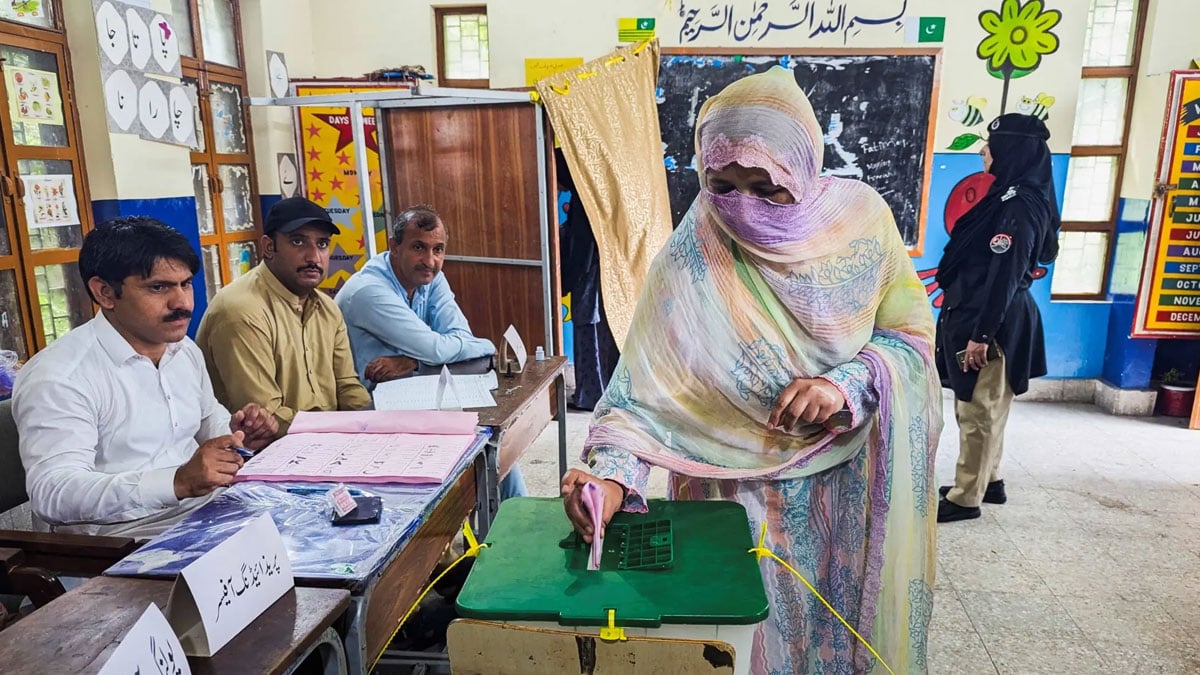
Unofficial results from AJK's second-phase polling show PPP's Mukhtar Ahmad Abbas defeating PML-N's Syed Iftikhar Gillani in Muzaffarabad City-III by a margin of roughly 3,400 votes. Voting across nine Muzaffarabad-division constituencies was extended by an hour to 6 pm after heavy turnout, with 207 candidates in the running.
People in a part of Kashmir called Azad Jammu and Kashmir voted for their local representatives, and in one big district called Muzaffarabad City 3, the candidate from the PPP party beat the PML-N candidate by about 3,400 votes — kind of like winning a school election by a clear lead after many more classmates showed up to vote than expected.
Analysis
A Defeat With National Echoes
In LA-29 Muzaffarabad City-III, PPP's Mukhtar Ahmad Abbas outperformed PML-N's Syed Iftikhar Gillani by a comfortable margin of 3,379 votes — 19,792 to 16,413, according to ARY News. The seat sits inside the Muzaffarabad division, the population heartland of Azad Jammu and Kashmir and the most symbolically charged stretch of the territory. A PPP win here disrupts PML-N's recent inroads into AJK politics and signals that the rivalry between the two parties continues to define the assembly map, even when local, factional loyalties are supposed to dominate. For a region where the ruling party in Islamabad traditionally tries to shape outcomes, results like this one carry read-across value for federal coalition arithmetic.
Why Turnout Forced an Hour-Long Extension
The AJK Election Commission extended polling by an hour, until 6 pm, citing an unusually heavy flow of voters to stations across the nine Muzaffarabad-division constituencies. Originally scheduled 8 am to 5 pm, the extra window suggests turnout may end up materially above historical norms — a meaningful signal in a territory where participation has often been depressed by both weather and security concerns. The commission framed the extension as a logistical accommodation, not a corrective measure, which is itself telling about how Phase Two was managed in comparison with earlier phases. Higher turnout also tends to favour established party machines, which has plausible implications for how the remaining constituency-level contests play out.
The Bigger Phase-Two Map
Phase Two covers nine local seats across the Muzaffarabad division — five in Muzaffarabad district, two in Jhelum Valley, and two in Neelum — alongside all 12 refugee constituencies based in Pakistan proper, with 207 candidates in the field overall. The LA-29 result is therefore one data point inside a larger batch that, taken together, will recalibrate the assembly balance of power. Refugee-seat performance in particular is watched closely because it reflects how Kashmiri migrants settled across Punjab, Sindh, and KP intend to be represented. Until the Election Commission notifies final results, the Muzaffarabad-III outcome remains unofficial, and any post-vote margin litigation or recount request could still alter the formal record.
Key points
- PPP's Mukhtar Ahmad Abbas won LA-29 Muzaffarabad-III with 19,792 votes against PML-N's Syed Iftikhar Gillani's 16,413.
- The result is part of the second phase of Azad Jammu and Kashmir elections covering nine Muzaffarabad-division constituencies and 12 refugee seats.
- Polling was extended by one hour until 6 pm due to heavy voter turnout, per the AJK Election Commission.
- Phase two features 207 candidates contesting seats across Muzaffarabad district, Jhelum Valley, and Neelum.
- Results remain unofficial until notified by the AJK Election Commission.
Strong voter turnout in Muzaffarabad division suggests renewed civic engagement with AJK's electoral process, which could strengthen the democratic legitimacy of the incoming assembly. A competitive two-party race at the constituency level also points to a healthy pluralism that may shape more responsive local governance.
Close margins between PPP and PML-N in seats like LA-29 raise the prospect of post-result disputes or recount petitions that could delay assembly formation. Heavy turnout combined with extended polling hours also exposes logistical strain in the AJK Election Commission's administration, which risks recurring in any future phases.