Preparation for Possible Blackouts: When the Power Suddenly Goes Out
Germany is assessing its preparedness for widespread power outages following a sabotage-induced blackout in Berlin that affected 50,000 households. While the Federal Network Agency and grid operators emphasize high security standards, concerns remain regarding cyberattack…
Intelligence analysis by Gemini 2.5 Flash
Following a localized power outage in Berlin, attributed to sabotage, Germany is evaluating its national readiness for potential blackouts. Experts highlight the country's robust grid integration into Europe but acknowledge increasing threats from cyberattacks and call for improved civil protection measures, including enhanced hospital emergency power and public preparedness.
Imagine if all the lights and gadgets suddenly stopped working in your town, like what happened in Berlin. Germany is trying to figure out how to keep the electricity on, even if bad guys try to mess with it or computers get hacked. They're making power stations safer and telling people to keep extra food and water at home, just in case the power goes out for a long time.
Analysis
The Berlin Blackout and its Immediate Lessons
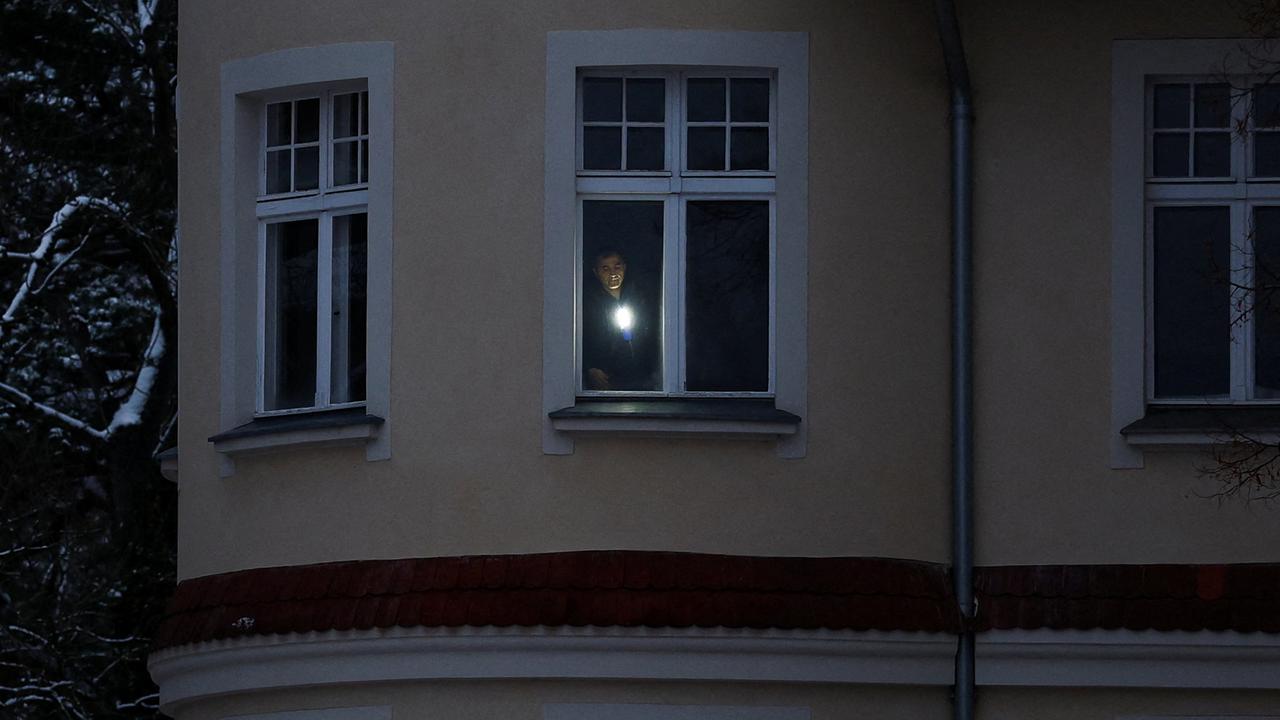
The recent power outage in Berlin, affecting 50,000 households and attributed to a left-wing extremist group, served as a stark reminder of Germany's vulnerability to infrastructure disruptions. The incident exposed critical communication failures, with mobile networks and nurse call systems going down, leaving vulnerable residents in nursing homes without immediate assistance and heating. This event underscored the need for robust emergency protocols and reliable backup systems, especially in care facilities where residents' safety is paramount.
The experience of Michael Zeebe, a former firefighter who used a crank radio, highlighted the importance of basic individual preparedness. His ability to follow news despite the outage demonstrated how simple, non-reliant tools can be vital when modern infrastructure fails, prompting a broader discussion on personal readiness for such scenarios.
Bolstering Grid Security Against Evolving Threats
Germany's Federal Network Agency and major transmission system operators like Amprion are actively working to enhance the security of the power grid. While acknowledging that 100% protection is impossible, measures such as increased physical security around substations and surveillance of vulnerable points are being considered. A significant concern is the escalating threat of cyberattacks, with 769 incidents on critical infrastructure reported in 2024, a 43% increase from the previous year. Experts, including the Bundeswehr's Surgeon General Rolf von Uslar, attribute many of these to "Russian sphere" actors systematically probing weaknesses.
Amprion's strategy includes isolating critical IT systems from the internet to mitigate cyber risks, a crucial step in protecting against sophisticated digital intrusions. The nation's integration into the European interconnected grid is cited as a strength, contributing to Germany's "world-class" supply security. Furthermore, the presence of 174 black-start capable power plants is crucial for grid restoration in the event of a widespread outage, allowing the system to restart without external power, thereby enhancing overall system resilience.
Enhancing Civil Protection and Public Preparedness
Beyond technical grid security, the article emphasizes the need for improved civil protection and individual readiness. Surgeon General von Uslar points to a critical weakness in hospitals, where the legally mandated 24-hour emergency power supply is deemed insufficient. This highlights a potential systemic vulnerability for healthcare during extended blackouts, necessitating a review of current regulations and investment in more robust backup systems for essential services.
Firefighter Benno Fritzen, drawing from his experience in a major Münsterland power outage, stresses the importance of personal stockpiles, particularly drinking water and basic foodstuffs, for at least ten days. The Federal Office for Civil Protection and Disaster Assistance echoes this advice, underscoring that citizens cannot rely solely on state provisions during prolonged emergencies. These recommendations aim to build resilience at both institutional and household levels, ensuring a more robust and coordinated response to future power disruptions.
Key points
- A recent sabotage-induced power outage in Berlin affected 50,000 households and exposed vulnerabilities in communication and care facilities.
- The Federal Network Agency and energy industry are implementing measures like enhanced physical security and surveillance to protect the power system.
- Cyberattacks on critical infrastructure increased by 43% in 2024, with some attributed to "Russian sphere" actors.
- Germany benefits from its integration into the European interconnected grid and has 174 black-start capable power plants for grid restoration.
- There is a recognized need to improve emergency power provisions in hospitals and for citizens to stock up on supplies for at least ten days.
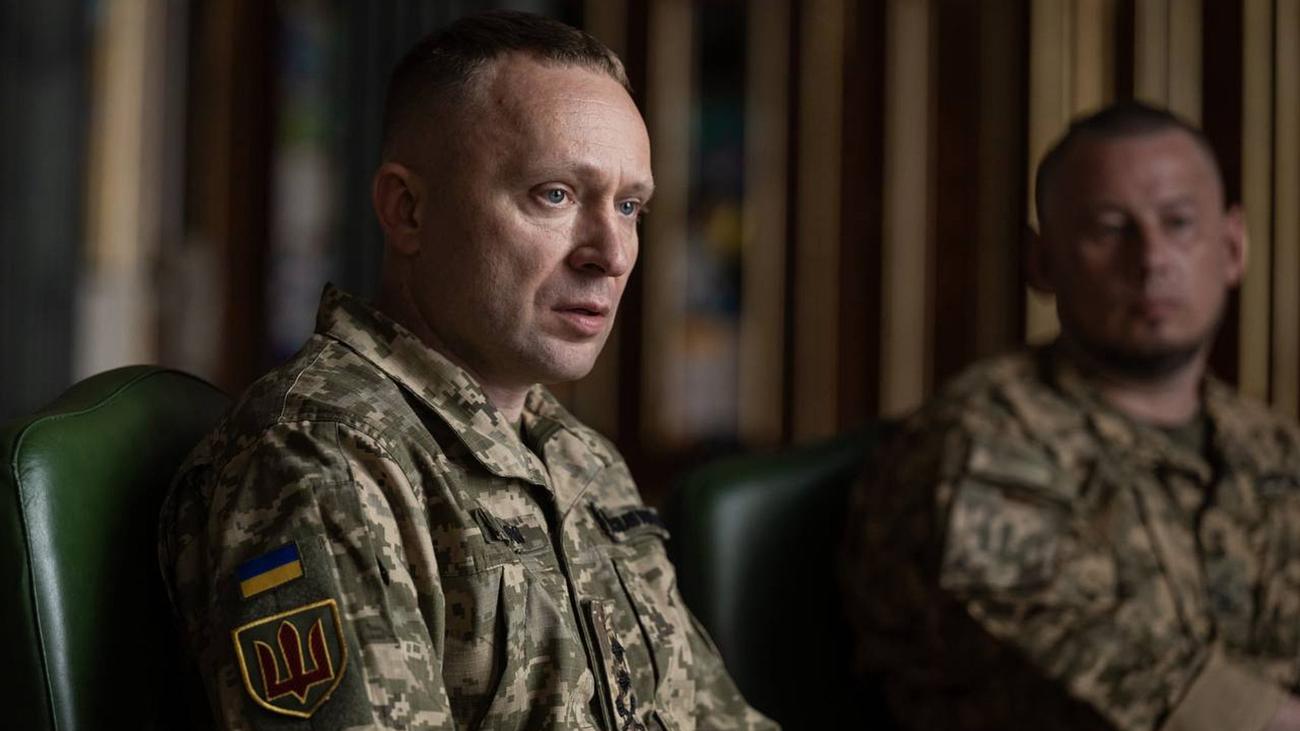
Germany's proactive approach to assessing and strengthening its power grid, coupled with its integration into the robust European network, suggests a strong foundation for resilience. The ongoing efforts to enhance physical and cyber defenses, alongside the availability of black-start capable power plants, indicate a commitment to minimizing the impact of future outages and ensuring rapid recovery.
Despite current efforts, the increasing frequency of cyberattacks on critical infrastructure and the acknowledged impossibility of 100% protection pose significant risks. The identified shortcomings in hospital emergency power and the public's potential lack of preparedness for extended outages suggest that a major, prolonged blackout could still lead to severe disruptions and challenges for public safety and essential services.