Proposed CLARITY ethics deal could save Trump millions in taxes: Bloomberg
A bipartisan ethics proposal for the crypto market structure bill could allow Donald Trump to defer capital gains taxes on required divestitures, potentially saving millions.
Intelligence analysis by Gemini 2.5 Flash Lite
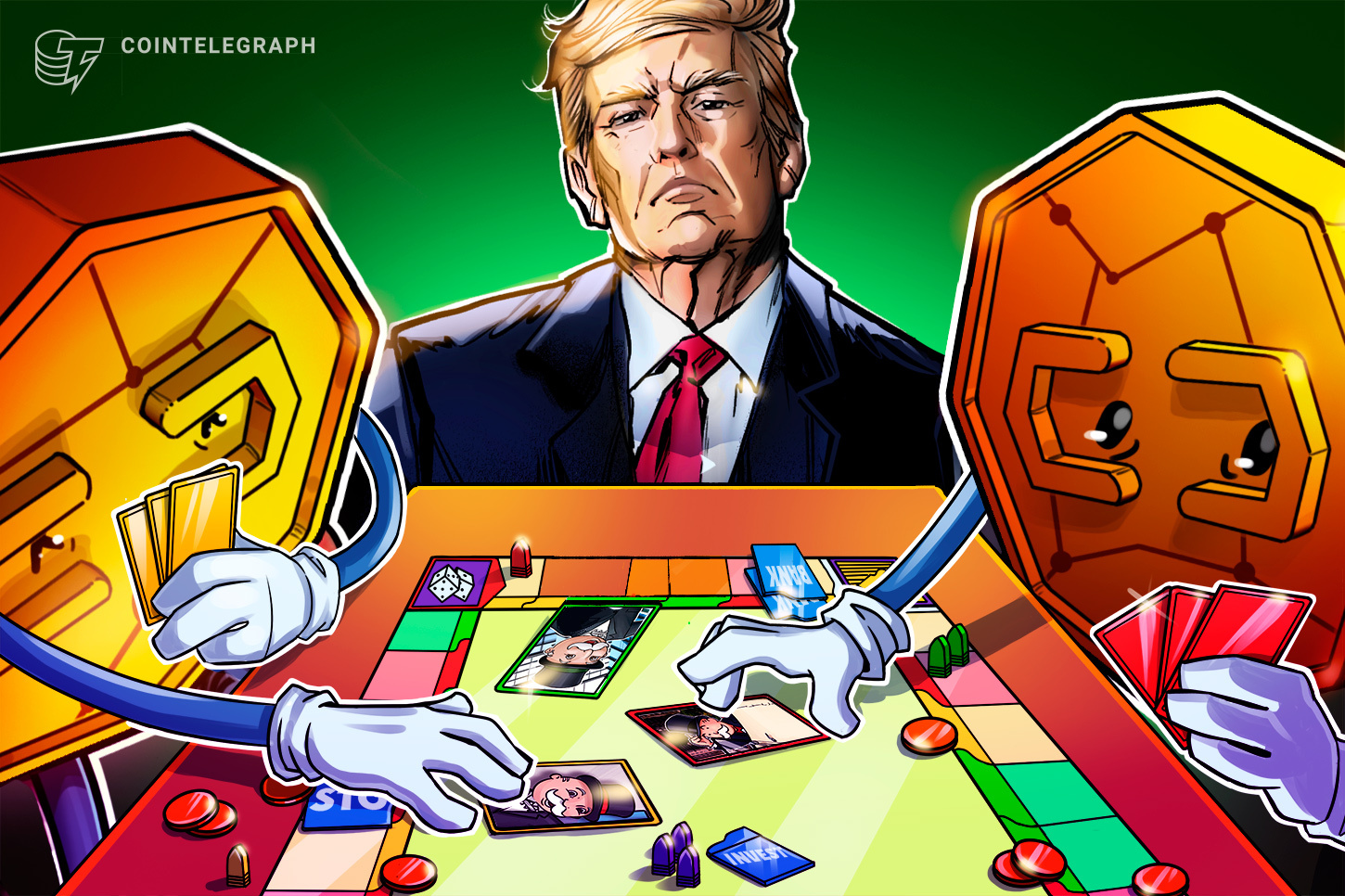
A proposed ethics addendum to the crypto market structure bill, aimed at addressing Democratic concerns over President Trump's conflicts of interest, reportedly includes a tax deferral benefit for any required divestment from crypto businesses.
Imagine a politician has a lot of toys, including some special digital ones (crypto). A new rule might say they have to sell those digital toys. This deal could let them sell them later without paying taxes right away, saving them a lot of money.
Analysis
Trump's Crypto Holdings
The article highlights that President Trump's financial disclosures for 2025 revealed substantial income from crypto-related ventures, totaling $1.4 billion. The primary sources of this income were the licensing and sale of memecoins, notably the "TRUMP" coin, which generated approximately $635 million through a license agreement. Additionally, the Trump family's DeFi platform, World Liberty Financial, contributed significantly, earning around $588 million from token sales. A smaller amount, $197, was earned from the sale of equity in a stablecoin venture. An entity affiliated with Trump and his family, DT Marks DEFI LLC, holds a substantial stake, approximately 38%, in World Liberty's parent company, underscoring the personal financial entanglement with the digital asset space.
The CLARITY Ethics Proposal
The proposed bipartisan ethics addendum, intended to facilitate the passage of the crypto market structure bill, includes a provision that would mandate Trump's divestment from crypto businesses. This measure is designed to alleviate concerns raised by Democrats regarding potential conflicts of interest. However, the crucial element that has emerged is the reported inclusion of a clause allowing the President to defer capital gains taxes on these mandated sales. This tax deferral could translate into millions of dollars in savings, a detail that may introduce new complexities and scrutiny into the legislative process.
Legislative Impasse and Potential Contention
The CLARITY Act, a bill focused on crypto market structure, has faced significant hurdles in Congress, largely due to Democratic objections centered on Trump's financial ties to the crypto industry. The ethics addendum was conceived as a means to overcome this impasse. Yet, the reported tax-deferral benefit could paradoxically become a new point of contention. Critics may argue that this provision appears to offer a personal financial advantage to the President, potentially undermining the stated goal of genuinely curbing his financial interests and raising questions about whether the bill's advancement is being prioritized over ethical considerations.
Key points
- A proposed ethics addendum to the crypto market structure bill could offer President Trump significant tax savings.
- The proposal reportedly requires Trump to divest from crypto businesses but allows him to defer capital gains taxes on these sales.
- Trump's 2025 financial disclosures showed $1.4 billion in income from crypto ventures, including memecoins and a DeFi platform.
- Democratic concerns over Trump's crypto conflicts have been a major obstacle to passing the crypto market structure bill.
- The tax deferral aspect could become a new point of contention for Democrats questioning the ethics of the deal.
If the CLARITY Act passes with this ethics addendum, it could lead to much-needed regulatory clarity for the cryptocurrency market in the United States. This clarity could foster innovation and investment, providing a more stable environment for businesses and consumers operating within the digital asset space.
The inclusion of a tax deferral benefit for the President could derail the bipartisan effort, leading to further gridlock on crypto regulation. This could leave the industry in a state of uncertainty, potentially hindering its growth and increasing the risk of illicit activities due to a lack of clear oversight.