Public procurement of electricity could save GB households £200 a year, says thinktank
A thinktank says government-backed electricity buying could cut GB household bills by about £185 a year on average. It argues the market still lets gas set prices too often.
Intelligence analysis by GPT-5.4 Mini
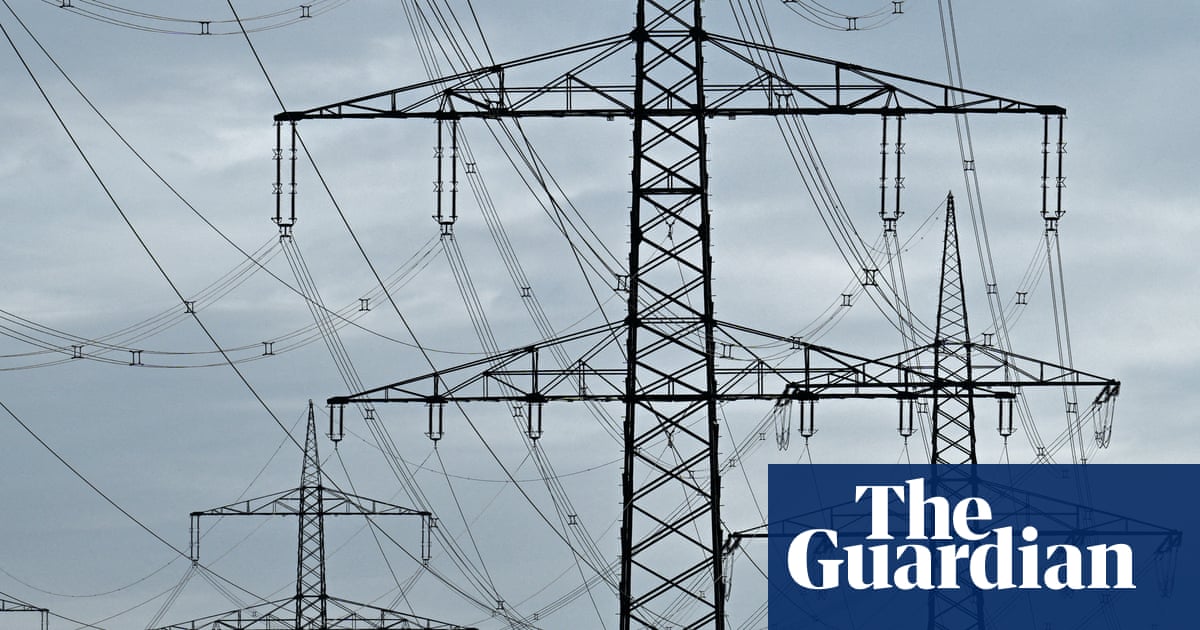
The Guardian reports on a Common Wealth proposal for the government to act as a single buyer of electricity in England, Scotland and Wales, then resell it through public contracts. Backers say it could sharply reduce bills, while critics warn the official plan to separate gas and power prices may not go far enough.
A thinktank says Britain should buy electricity in one big bundle, then sell it to families more fairly. It’s like one shop buying all the apples at once instead of each person paying a different price every time the cost changes.
Analysis
What the proposal is
The thinktank Common Wealth argues that Britain’s power market still behaves like a fossil-fuel system, even as renewable generation grows. Its plan would make the government the main buyer of electricity in England, Scotland and Wales, using publicly accountable contracts with generators and then reselling power to consumers.
Why supporters say it would help
The report says gas still sets the price most of the time, even though it produces only a minority of the country’s electricity. That, it argues, lets gas generators capture windfall gains while households pay high bills. By averaging prices across the generation mix instead of linking everything to gas, the model could lower costs and avoid what the report calls wasteful practices such as paying twice when the grid is constrained.
The paper estimates total savings of up to £74bn over five years if gas stays expensive and wholesale prices remain around £100 per MWh. If prices fall to about £70 per MWh, the savings would still be around £41bn in total. On that basis, households could save about £185 a year on average.
What happens next
The government has already said it wants to reduce the impact of gas on electricity prices, but experts quoted in the story say the current proposals may only deliver modest savings unless reform is more radical. The article also notes that Rachel Reeves plans to raise the windfall tax on excess profits from electricity generators to 55%, with the money used to support households. The Department for Energy Security and Net Zero did not directly comment on the thinktank’s proposal.
Key points
- A thinktank says public procurement of electricity could save GB households about £185 to £200 a year on average.
- The proposal would make the government the main buyer of power in England, Scotland and Wales and resell it through public contracts.
- The report argues that gas still sets electricity prices too often, even though gas produces only about a quarter of the UK’s power.
- It estimates five-year savings of up to £74bn if gas prices remain high, or about £41bn if wholesale prices fall.
- Officials are already considering reforms and a higher windfall tax, but critics say those steps are not radical enough.
- The Department for Energy Security and Net Zero did not directly comment on the thinktank’s plan.
If the proposal or something similar is adopted, households could see lower electricity bills and a steadier link between costs and the actual mix of power being generated. The report says the model could also help push more use of cheap-time electricity and battery storage.
The story also makes clear that the government’s current plans may only trim bills a little unless reform goes much further. If gas prices stay high and the market structure remains mostly intact, consumers may keep facing large swings in costs despite new policy tweaks.