Puffins, dolphins and bumblebees in running to feature on new UK banknotes
The Bank of England has shortlisted native wildlife for its next banknotes, with a public consultation open until 3 July.
Intelligence analysis by GPT-5.4 Mini
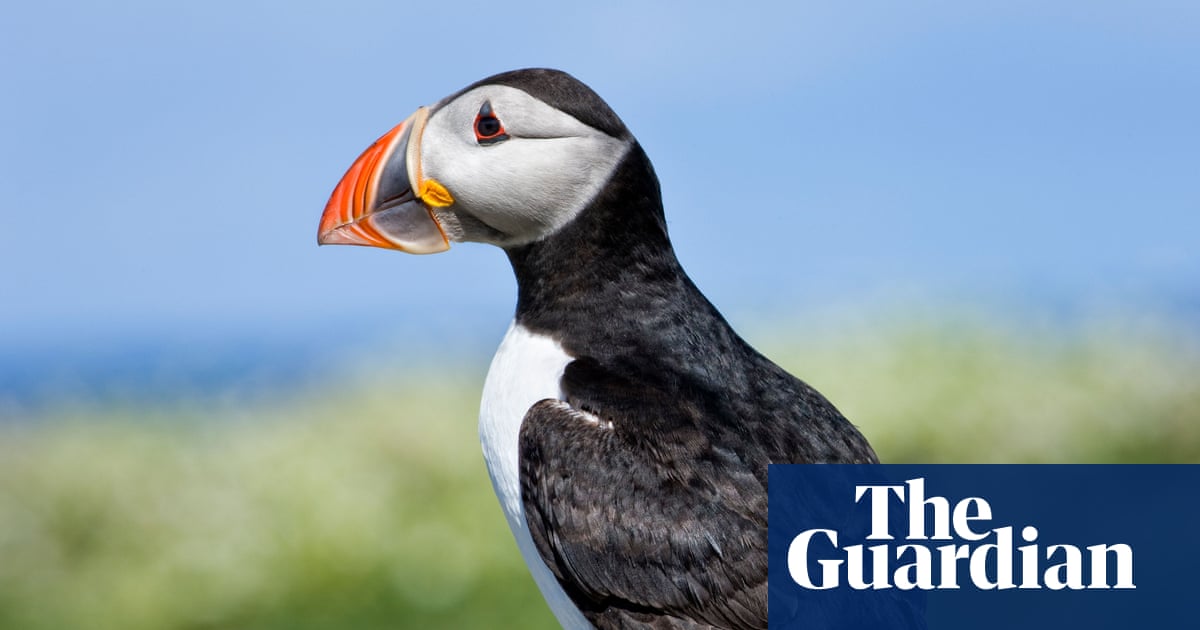
Puffins, dolphins, bumblebees and other native species are in the running to appear on the next series of UK banknotes. The Bank of England says the redesign is mainly about new security features, while critics have attacked the theme choice.
The Bank of England is picking animals for new money, like choosing pictures for school stickers. Puffins, dolphins and bumblebees are on the list, but the final notes will also need special marks so people cannot fake them easily.
Analysis
What the Bank is proposing
The Bank of England has published a shortlist of native British wildlife for the next series of banknotes. The theme follows a public consultation in which wildlife was the most popular option, and the Bank says the redesign is meant to update security and accessibility features as well as the artwork.
The shortlist is split into three groups: mammals, birds, and a combined category covering amphibians, insects and fish. Public voting runs until 3 July, and respondents can pick up to two examples from each category. The Bank says it will then choose four distinct animals across the notes so they are easy to tell apart.
What could appear
The mammals shortlist includes bottlenose dolphin, brown hare, European hedgehog, grey seal, pine marten and red fox. The birds list includes Atlantic puffin, barn owl, common kingfisher, Eurasian curlew, great spotted woodpecker and white-tailed eagle. The final group includes Atlantic salmon, basking shark, buff-tailed bumblebee, common frog, emperor dragonfly and marsh fritillary butterfly.
The Bank says the wildlife imagery offers a chance to celebrate another important part of the UK, while also supporting anti-counterfeiting technology. It adds that animals are particularly suitable for that purpose.
The reaction
The plan has already drawn criticism. Nigel Farage attacked the idea in remarks about replacing Winston Churchill with a beaver, though no beaver appears on the shortlist. Conservative leader Kemi Badenoch called it "a silly thing to do," and the RSPCA said the Bank should have considered less popular species such as pigeons, rats and seagulls.
The Bank says the notes will not enter circulation for some years because design and testing take time. If the process proceeds as planned, the new notes will replace current figures including Jane Austen, Winston Churchill and Alan Turing.
Key points
- The Bank of England has shortlisted native wildlife for the next UK banknotes.
- Public consultation runs until 3 July, and people can choose up to two options in each category.
- The Bank says the redesign is mainly about improving anti-counterfeiting and accessibility features.
- The final set will include four distinct animals, not necessarily the top vote-getters.
- The plan has drawn criticism from politicians and from the RSPCA.
If the consultation works well, the new notes could combine stronger anti-counterfeit design with images that many people recognize and value. The Bank also gets a chance to highlight native wildlife in a widely seen national object.
The public vote may not fully determine the final result, since the Bank says it needs four animals that are easy to tell apart. The shortlist has also already become a political target, which could distract from the design and security goals.