Quiet U.S. pullback in Eastern Europe sparks wider allied worries
The U.S. has quietly withdrawn its troops from some of the most vulnerable areas in Eastern Europe, sparking worries that a Kremlin increasingly humiliated by Ukraine's long-range drone and missile strikes might be tempted to lash out.
Intelligence analysis by Llama
The U.S. has pulled back its forces from Eastern Europe, leaving NATO officials and analysts concerned about the potential for a Kremlin response to Ukraine's drone and missile strikes. The move has sparked worries about a possible lethal clash between Russia and NATO member states.
The U.S. has quietly withdrawn its troops from some of the most vulnerable areas in Eastern Europe, leaving NATO officials and analysts concerned about the potential for a Kremlin response to Ukraine's drone and missile strikes. This means that the U.S. is no longer as present in Eastern Europe as it was before, which could make it harder for the U.S. to defend the region if Russia were to attack.
Analysis
A $60B Vote of Confidence
The U.S. has quietly withdrawn its troops from some of the most vulnerable areas in Eastern Europe, sparking worries that a Kremlin increasingly humiliated by Ukraine's long-range drone and missile strikes might be tempted to lash out. The move has left NATO officials and analysts concerned about the potential for a lethal clash between Russia and NATO member states by the end of 2026, with an 18% chance of such an event, according to analysis by AI monitoring and predictive data firm Omniforecaster.
Why Cursor?
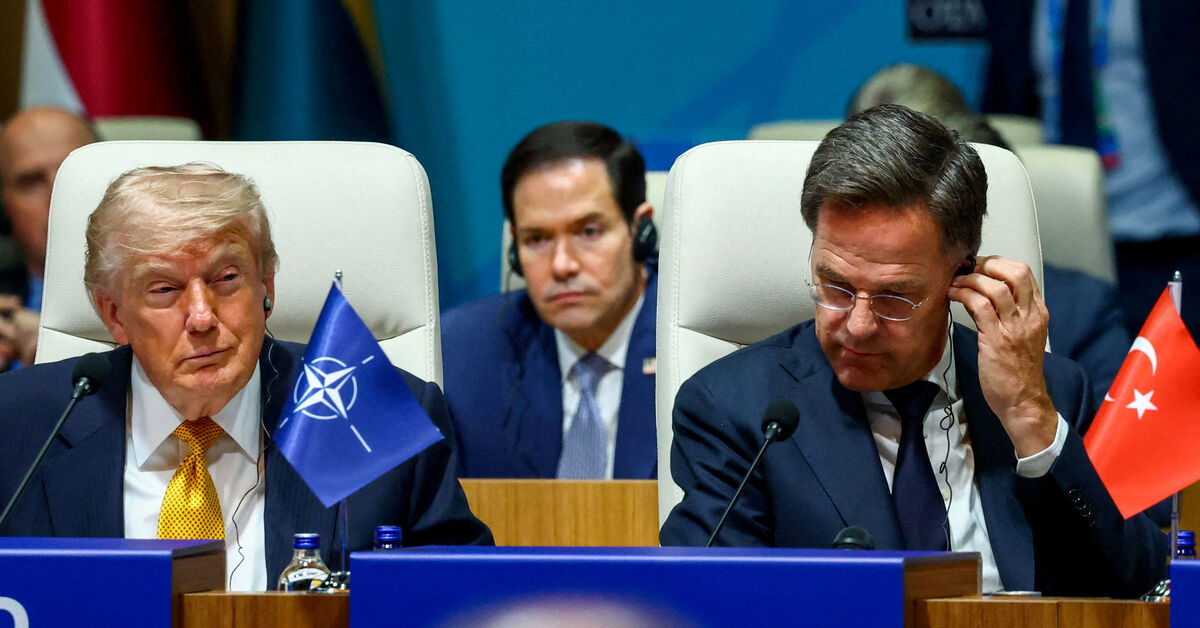
Despite some of the most outspoken behavior yet by U.S. President Donald Trump at a major international gathering, NATO officials including Secretary General Mark Rutte claimed it as a victory, pointing to a string of new defense deals, increases in European spending, and an "ironclad" commitment to mutual assistance. However, many of those commitments will take years to deliver, and the U.S. has now pulled back its forces from some of the most vulnerable areas in Eastern Europe just as worries grow that a Kremlin increasingly publicly humiliated by Ukraine's long-range drone and missile strikes deep into Russian territory might be tempted to lash out.
The Road Ahead
The U.S. now looks as enmeshed as ever in conflict in the Gulf, with Trump suggesting in Ankara he might further step up strikes against Iran's essential infrastructure – much to the alarm of Washington's allies in the Gulf who fear they may take the brunt of Tehran's retaliation. In the Middle East, the U.S. began withdrawing personnel from forward bases in mid-January as a precaution amid rising tensions with Iran. Most observers doubt the U.S. will ever again keep significant numbers of non-air defense personnel or equipment in countries such as Qatar or Kuwait, building on a complete withdrawal from Syria and pullback from Iraq.
Key points
- The U.S. has quietly withdrawn its troops from some of the most vulnerable areas in Eastern Europe.
- The move has sparked worries about a possible lethal clash between Russia and NATO member states.
- NATO officials and analysts are concerned about the potential for a Kremlin response to Ukraine's drone and missile strikes.
- The U.S. withdrawal from some of the most vulnerable areas in Eastern Europe may actually reduce the risk of conflict by removing a potential target for Russian aggression.
- The U.S. and its allies need to work together to increase their military spending and strengthen their defense commitments to deter Russia from taking aggressive action in Eastern Europe.
If the U.S. and its allies can work together to increase their military spending and strengthen their defense commitments, they may be able to deter Russia from taking aggressive action in Eastern Europe. Additionally, the U.S. withdrawal from some of the most vulnerable areas in Eastern Europe may actually reduce the risk of conflict by removing a potential target for Russian aggression.
The U.S. pullback in Eastern Europe has sparked worries about a possible lethal clash between Russia and NATO member states. If Russia were to take aggressive action in Eastern Europe, it could lead to a wider conflict that involves multiple countries and has significant humanitarian and economic consequences.