Rahul Gandhi gets Supreme Court relief in disproportionate assets complaint
The Supreme Court has directed the Allahabad High Court to defer proceedings in a plea seeking CBI and ED probes into alleged disproportionate assets of Lok Sabha Leader of Opposition Rahul Gandhi, also asking central agencies not to submit any reports until further orders.
Intelligence analysis by Gemini 2.5 Flash
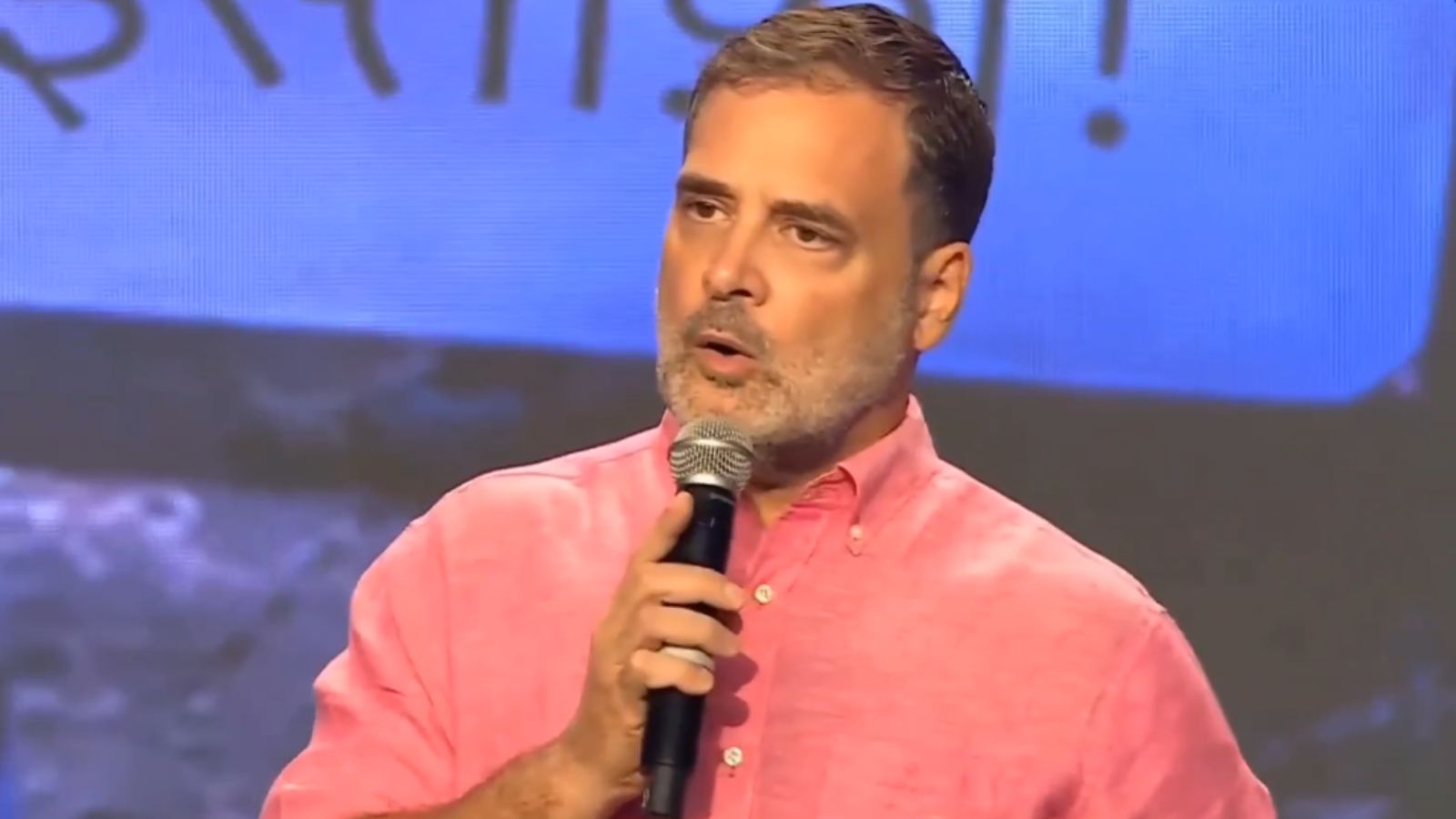
Rahul Gandhi secured interim relief from the Supreme Court in a case concerning alleged disproportionate assets, which his legal team described as a "witch hunt." The apex court has paused proceedings initiated by the Allahabad High Court based on a complaint, emphasizing the need for adherence to principles of natural justice.
Imagine a big playground where a kid named Rahul is accused of having too many toys by another kid. A smaller referee (Allahabad High Court) started looking into it. But then, the head referee (Supreme Court) stepped in and said, "Hold on! Let's make sure everyone plays fair and follows the rules before we continue." So, for now, the investigation is paused to ensure everything is done correctly and justly.
Analysis
The Supreme Court's intervention in the disproportionate assets complaint against Rahul Gandhi underscores the intricate balance between judicial oversight and the functioning of investigative agencies in India. The case, which originated from a complaint filed by S Vignesh Shishir, has now been put on hold by the apex court, preventing the Allahabad High Court from proceeding further and instructing the CBI and ED to halt report submissions. This move by the Supreme Court signals a careful examination of the procedural fairness and legal basis of the ongoing investigation.
S Vignesh Shishir
S Vignesh Shishir, a Karnataka-based individual, is the complainant whose petition initiated the proceedings against Rahul Gandhi in the Allahabad High Court. His complaint alleged that Gandhi possessed disproportionate assets, prompting the High Court to consider verifying these allegations. However, Shishir's bona fides and locus standi were strongly questioned by Gandhi's legal team, who claimed he was an RSS worker with a history of filing petitions against the Congress leader. During the Supreme Court hearing, Shishir faced challenges in accessing the proceedings, stating he had not received the necessary documents to oppose Gandhi's prayer, leading the court to direct that documents be supplied to him for a fair hearing.
Kapil Sibal
Senior Advocate Kapil Sibal, representing Rahul Gandhi, vehemently argued that the proceedings against his client were "unknown to law" and constituted a "witch hunt through a process not recognised by law." Sibal's arguments focused on the procedural irregularities and the alleged political motivation behind the complaint. He also raised concerns about how details of the chamber proceedings in the Allahabad High Court, which are typically sealed, appeared in newspaper reports, suggesting a leak from either the complainant or the agencies involved. Sibal's defense highlighted the potential for misuse of legal processes for political targeting.
Justice Bagchi
Justice Joymalya Bagchi, one of the three judges on the Supreme Court bench, played a crucial role in questioning the actions of the investigative agencies. He specifically asked the CBI's Senior Advocate S V Raju whether the agency had initiated its inquiry into the allegations suo motu, meaning on its own accord. When Raju answered in the negative, Justice Bagchi observed, "Then let us examine the correctness of this order," referring to the Allahabad High Court's directive. He further questioned why the agencies would require impetus from the court if the allegations were indeed serious, implying that they possess statutory powers to act independently. This line of questioning from Justice Bagchi emphasized the Supreme Court's focus on the proper legal procedure and the independence of investigative bodies.
Key points
- The Supreme Court directed the Allahabad High Court to defer proceedings in a disproportionate assets complaint against Rahul Gandhi.
- The apex court also instructed the CBI and ED not to submit any reports to the high court until further orders.
- Rahul Gandhi's lawyer, Kapil Sibal, argued that the proceedings were "unknown to law" and amounted to a "witch hunt."
- The complaint was filed by Karnataka-based S Vignesh Shishir, whose credentials were questioned by Gandhi's counsel.
- The Supreme Court emphasized the importance of following principles of natural justice if a court issues directions for an investigation.
The Supreme Court's intervention ensures that due process and principles of natural justice are strictly followed in high-profile cases, potentially safeguarding individuals from politically motivated or procedurally flawed investigations. This could reinforce public trust in the judiciary's role as a check on executive power and investigative agencies.
The deferment of proceedings could lead to prolonged legal battles, potentially delaying accountability if the allegations are found to be substantive. This ongoing legal entanglement might also be perceived as a political tool, further fueling partisan debates and potentially distracting from other pressing issues.