Rare clue at Minneapolis crime scene points to a barefoot killer
A rare clue in the murder of 35-year-old Jeanie Childs in Minneapolis in 1993 was a bloody, bare footprint left at the crime scene. Investigators compared the footprint to multiple people, including a man named Arthur Gray, but he had a solid alibi. Years later, forensic …
Intelligence analysis by Llama
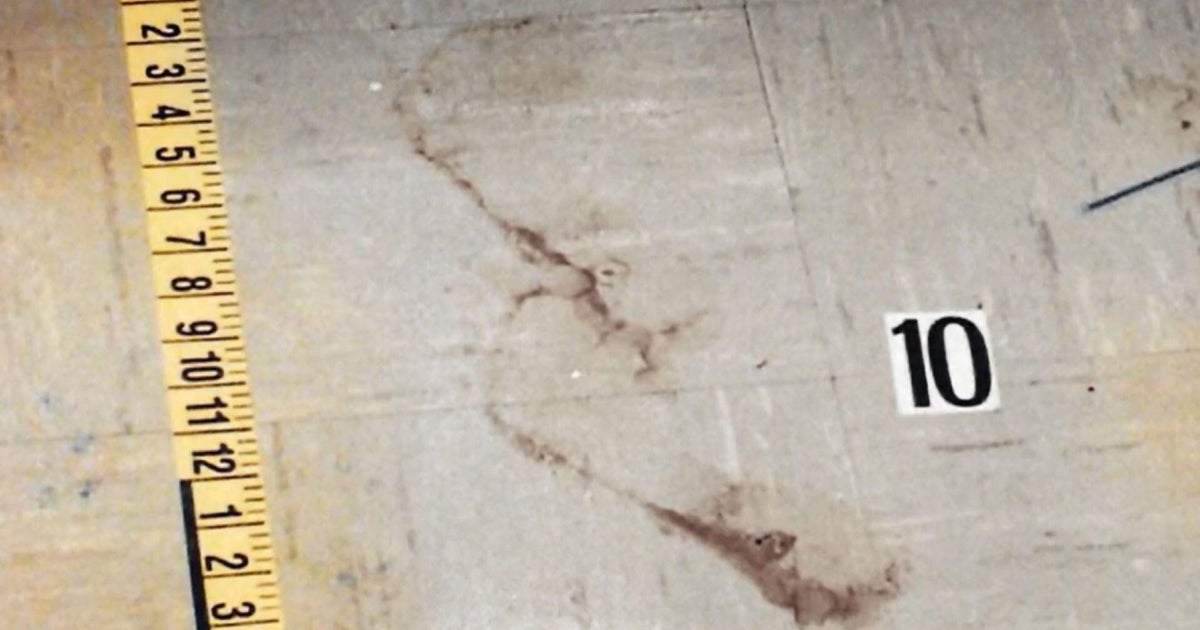
A bloody, bare footprint left at the crime scene of Jeanie Childs' murder in Minneapolis in 1993 was a key clue in solving the case years later using DNA testing and investigative genetic genealogy.
Imagine you're at a crime scene where someone was murdered. The police find a special clue - a bloody footprint that doesn't have any shoes on it. They compare this footprint to different people, but one guy named Arthur Gray has a solid alibi, so he's not the killer. Years later, the police use special DNA testing and genealogy to figure out who the killer is. They find out it's a guy named Jerry Westrom, who was a businessman and a hockey dad. He denied killing Jeanie Childs, but the police found his footprints and matched them to the ones at the crime scene.
Analysis
A Rare Clue in a Grisly Crime Scene
The murder of Jeanie Childs in Minneapolis in 1993 was a brutal and senseless crime. Her body was found partially under her bed, with over 60 stab wounds. The crime scene was a mess, with blood spatter across the walls and floor. But one thing stood out - a bloody, bare footprint left at the scene. This was a rare clue, and investigators knew it was crucial to solving the case.
The Investigation Heats Up
As investigators tried to piece together what happened, they found that the footprint had to belong to the killer. Jeanie Childs was wearing socks at the time of her death, so the footprints had to have been left after the perpetrator stepped in her wet blood. The investigators documented and photographed the footprints, knowing they were a key piece of evidence.
A Solid Alibi
One of the first suspects was Arthur Gray, who lived with Jeanie Childs at the time of her murder. But Gray had a solid alibi - he was out of town that weekend, and his story was corroborated by others. Forensic scientists also examined Gray's footprints and determined he did not leave the footprints at the crime scene.
DNA Testing and Genetic Genealogy
Years later, forensic scientists used DNA testing and investigative genetic genealogy to identify the killer. They found an unknown DNA profile that kept repeating itself on items collected at the crime scene. They then turned to genealogy websites to find a match, and a forensic genealogist submitted the unknown DNA profile. The results revealed a match to potentially two brothers in Minnesota, one of whom was Jerry Westrom.
The Arrest and Conviction
In January 2019, investigators followed Westrom to his daughter's college hockey game in Wisconsin and obtained a napkin and food container he had used after eating. They took the items to the lab for testing, and the results revealed a match. DNA linked Jerry Westrom to Jeanie Childs' apartment, but he denied killing her. The next day, authorities collected his footprints for comparison. Although Westrom's DNA was at the scene, it was important to confirm the footprints belonged to him because there was other male DNA found at Childs' apartment that did not belong to Westrom.
The Verdict
In the end, the bloody, bare footprint left at the crime scene was the key to solving the case. It was a rare clue, but it was crucial in identifying the killer and bringing justice to Jeanie Childs' family.
Key points
- A bloody, bare footprint left at the crime scene was a key clue in solving the case of Jeanie Childs' murder in Minneapolis in 1993.
- The footprint was compared to multiple people, including Arthur Gray, but he had a solid alibi.
- Years later, forensic scientists used DNA testing and investigative genetic genealogy to identify the killer as Jerry Westrom.
- Westrom's DNA was found at the crime scene, but he denied killing Jeanie Childs.
- The police collected his footprints for comparison and matched them to the ones at the crime scene.
The use of DNA testing and investigative genetic genealogy in solving the case of Jeanie Childs' murder is a positive development in the field of forensic science. It highlights the importance of advances in technology and the power of collaboration between law enforcement and scientists in solving cold cases.
The fact that it took years to solve the case of Jeanie Childs' murder is a reminder that justice can be slow and that the system can fail. It also highlights the importance of continued investment in forensic science and the need for law enforcement to stay up-to-date with the latest technology and techniques.