Will the Federal Reserve Raise Interest Rates in July?
The Federal Reserve is expected to leave interest rates unchanged at its July meeting, but rising oil prices have prompted investors to sharply increase their bets that a fresh rate hike could come later this year.
Intelligence analysis by Llama
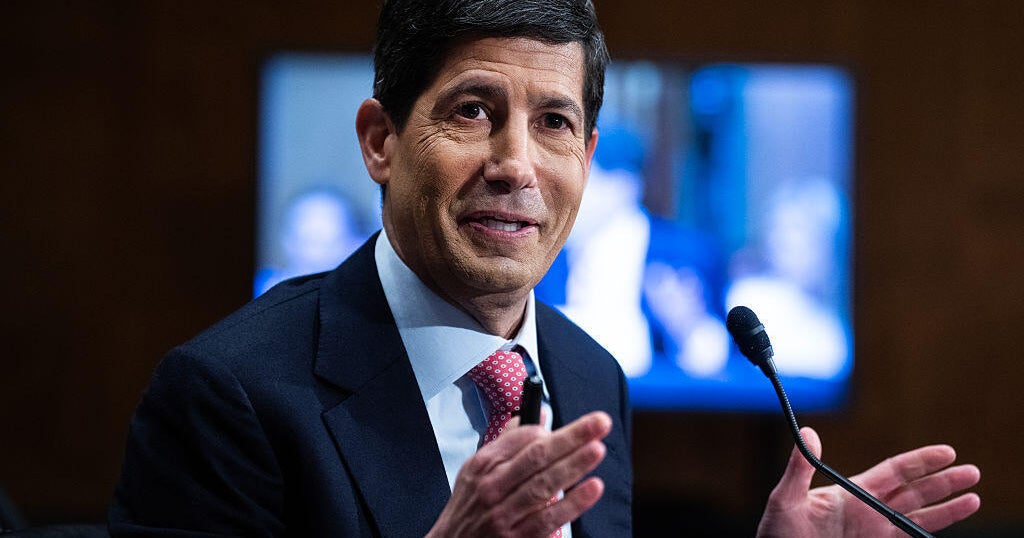
The Federal Reserve is expected to leave interest rates unchanged at its July meeting, but rising oil prices have prompted investors to sharply increase their bets that a fresh rate hike could come later this year.
Imagine you have a savings account, and you want to earn interest on your money. The Federal Reserve is like a big bank that helps control how much interest people can earn on their savings. Right now, the Fed is thinking about whether to raise or lower the interest rate, which affects how much money people can earn on their savings. Some people think the Fed might raise the interest rate because of rising oil prices, which could make it harder for people to afford things.
Analysis
A Tug of War Between Inflation and Interest Rates
The Federal Reserve is expected to leave interest rates unchanged at its July meeting, but rising oil prices have prompted investors to sharply increase their bets that a fresh rate hike could come later this year. The central bank's decision on interest rates has significant implications for the US economy, and rising oil prices have added uncertainty to the outlook.
Why Oil Prices Matter
Oil prices have surged in recent weeks, topping $100 a barrel last week, suggesting that inflation may remain a stubborn issue in the near term, experts say. "The Fed will find holding steady a harder case to make than it looked even a few weeks ago," noted Nigel Green, the CEO of the investment firm deVere Group, in a July 23 email.
What's at Stake
The probability of a rate hike at Wednesday's meeting has been rising, according to the CME Group's FedWatch, which uses 30-day Fed funds futures prices to predict rate cut decisions. The tool now shows a 36% likelihood that the central bank will hike its benchmark rate next week. Still, the greater likelihood is that the Fed will hold its benchmark rate steady within a target range of 3.5% to 3.75%, according to CME FedWatch.
Key points
- The Federal Reserve is expected to leave interest rates unchanged at its July meeting.
- Rising oil prices have prompted investors to sharply increase their bets that a fresh rate hike could come later this year.
- The probability of a rate hike at Wednesday's meeting has been rising, according to the CME Group's FedWatch.
- The Fed will hold its benchmark rate steady within a target range of 3.5% to 3.75%, according to CME FedWatch.
If the Fed decides to hold interest rates steady, it could be a positive sign for the economy, as it would suggest that the central bank is confident in the current growth trajectory. Additionally, a steady interest rate environment could lead to increased consumer spending and business investment, which could boost economic growth.
On the other hand, if the Fed decides to raise interest rates, it could be a negative sign for the economy, as it would suggest that the central bank is concerned about inflation and is trying to slow down economic growth. This could lead to reduced consumer spending and business investment, which could slow down economic growth.