Reaping the whirlwind: $100 oil and ruined US bases shatter Trump’s Iran strategy
Iranian forces are conducting extensive retaliatory operations against US bases and military assets across West Asia, destroying facilities and inflicting casualties in response to ongoing US aggression.
Intelligence analysis by Gemini 2.5 Flash

The article details a series of Iranian military operations, including drone and missile strikes, against US bases in Kuwait, Bahrain, and Jordan. These actions are framed as retaliation for US aggression, including air raids on civilian infrastructure in Iran, and highlight the perceived failure of US strategy in the region, leading to significant financial and military costs for Was…
Imagine two big kids, Iran and the US, are having a really big fight. The US started hitting Iran's stuff, so Iran is hitting back really hard at the US's forts and storage places in other countries nearby. This fight is costing the US a lot of money, like when you break a lot of toys, and it's making the price of oil, which is like the gas for cars, go up really high. Iran is also warning people living near US forts to move away because the fighting might get worse.
Analysis
Escalating Retaliation and US Losses
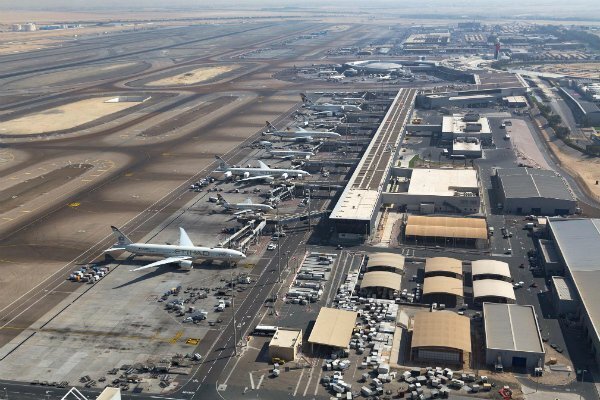
The Tehran Times reports a significant escalation in military actions by Iranian armed forces, specifically the Islamic Revolution Guards Corps (IRGC) and the Iranian Army, against US military targets across West Asia. These operations, including 'Operation Nasr 2' and 'Operation Saeqe (Lightning),' are presented as direct retaliation for what Iran describes as 'unprovoked acts of aggression' by the United States, including air raids on Iranian civilian infrastructure. The article details successful strikes against key US facilities, such as the Ali Al Salem Air Base and Camp Udairi in Kuwait, Shaikh Isa Air Base and the US Fifth Fleet control tower in Bahrain, and al-Azraq Air Base in Jordan. These attacks reportedly resulted in the destruction of ammunition depots, accommodation hangars, equipment warehouses, and intelligence facilities, with claims of numerous US casualties that Washington is accused of concealing.
Strategic Failures and Economic Burden
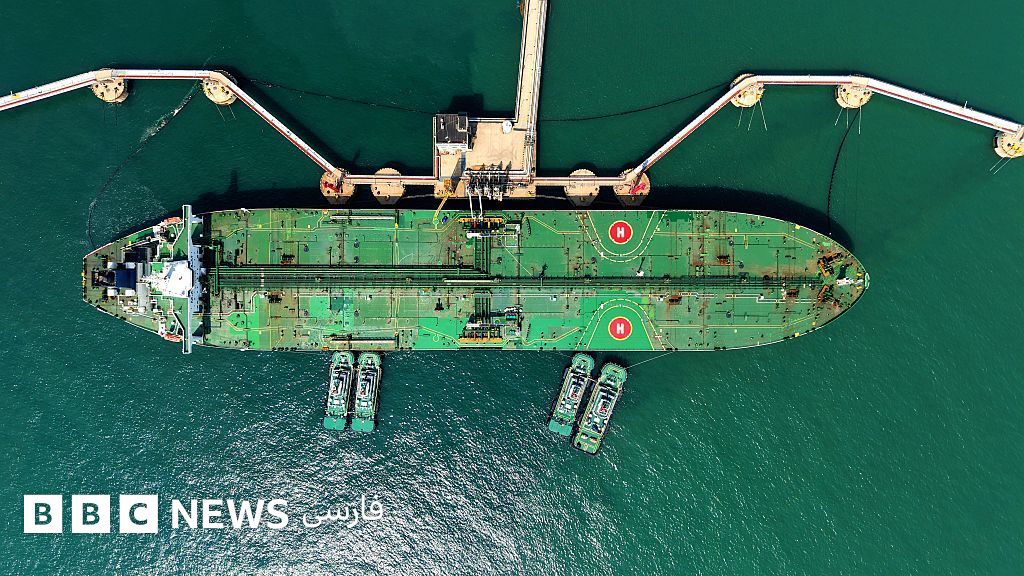
The narrative strongly asserts that the United States has failed to achieve its strategic objectives in the ongoing conflict, which began with a US-Israeli war on Iran on February 28. Despite an initial ceasefire under the Islamabad memorandum, US aggression reportedly resumed, leading to the current wave of Iranian retaliation. The article highlights the substantial financial toll on the US economy, with official Pentagon costs reaching $37.5 billion and independent analyses placing total cumulative costs well past $100 billion, climbing towards $150 billion. These figures account for base destructions, rapid munition depletion, and energy surges, directly linking the conflict to global crude oil prices breaching the $100 per barrel mark due to Iran's control over the Strait of Hormuz.
Regional Instability and Warnings
The conflict's broader implications for regional stability are also emphasized. The IRGC issued a direct warning to local populations in countries hosting US forces, advising them to move at least 500 meters away from locations used by American military personnel, as many officers are reportedly operating from civilian quarters out of fear. This warning underscores the potential for collateral damage and the widening scope of the conflict beyond traditional military bases. The Iranian Army, reaffirming its defensive stance, stated that any action against Iran's interests would jeopardize the security and economic interests of other countries in the region, suggesting a broader regional impact if the conflict continues to intensify.
Key points
- Iranian forces are conducting extensive retaliatory operations against US military bases and assets in Kuwait, Bahrain, and Jordan.
- The IRGC claims significant destruction of US facilities, including ammunition depots and accommodation hangars, and reports numerous US casualties.
- The conflict has reportedly cost the US economy over $100 billion and contributed to global crude oil prices surpassing $100 per barrel.
- Iran warns local populations in host countries to distance themselves from US military personnel operating from civilian areas.
- The article frames the US strategy as a failure, leading to a ruinous war of attrition and increased regional instability.
The ongoing escalation of military operations between Iran and the US risks further destabilizing the West Asia region, potentially leading to increased casualties, widespread destruction, and a prolonged conflict that could severely impact global energy markets and regional economies. The article suggests that the US is already facing significant financial and military losses, indicating a difficult path forward if the conflict persists.
Market signals
- OIL The article explicitly states that global crude oil prices breached $100 per barrel as a direct fallout of Iran maintaining firm control over the Strait of Hormuz amidst the conflict.
AI-generated analysis of potential market relevance. Not financial advice.