Reform proposes £30 tax rebate for HMRC phone delays
Reform UK's Robert Jenrick announces a £30 tax rebate for taxpayers who wait more than 30 minutes on hold with HMRC. The party pledges to tie the pay of senior HMRC officials to customer service targets.
Intelligence analysis by Qwen 2.5 (3B)
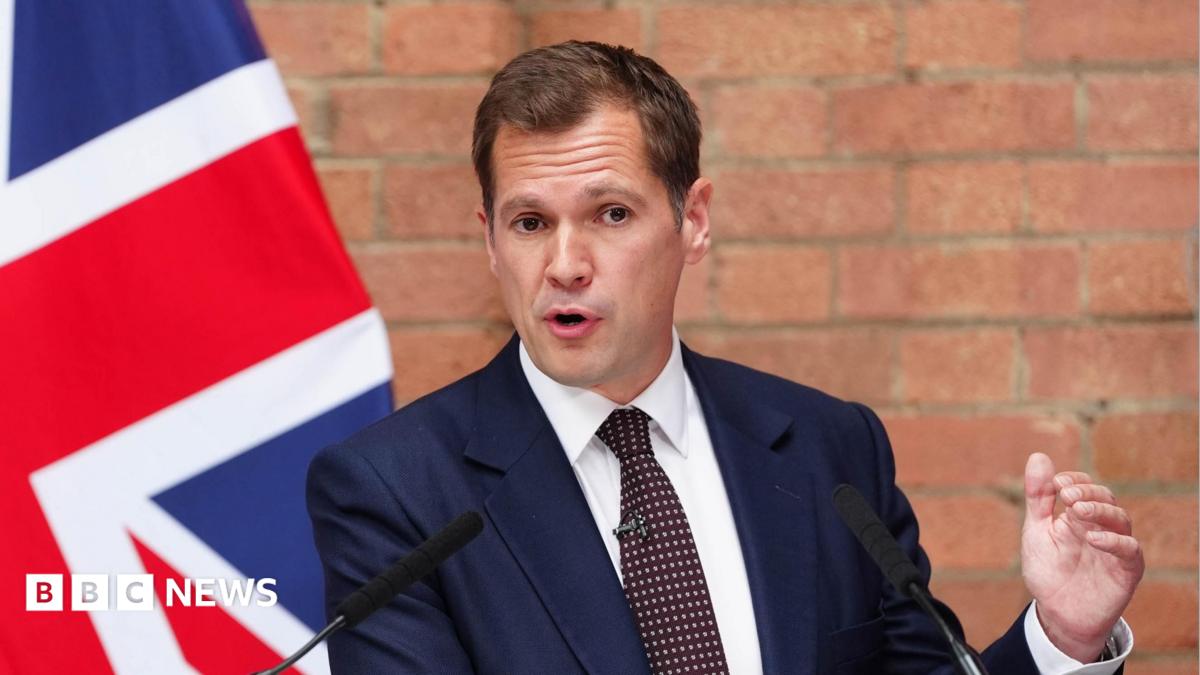
Reform UK proposes a £30 tax rebate for taxpayers who wait more than 30 minutes on hold with HMRC, in response to criticism of the tax agency's customer service.
If you wait on the phone with HMRC for more than 30 minutes, you might get a £30 discount on your taxes. Reform UK wants to make HMRC give you this discount if they don't answer your call quickly.
Analysis
{"
HMRC's Response to Criticism":"HMRC has acknowledged the criticism, stating that nearly 44,000 customers were cut off without warning after being on hold for more than an hour in 2024. The Public Accounts Committee report, which accused HMRC of seeking to 'degrade its telephone service to drive taxpayers to digital channels,' was rejected as 'completely baseless' by the then boss of HMRC.","
Customer Service Targets":"Reform UK's proposal includes tying the pay of senior HMRC officials to customer service targets, aiming to incentivize better service. The party also plans to scrap UK privacy rules in favor of a 'light-touch' approach to data protection, modeled on New Zealand's legislation.","
Labour's Reaction":"Labour has criticized Reform UK's plans, arguing that they would 'strangle' tech firms and small enterprises with their 'unworkable and unserious plans.'"}
Key points
- Reform UK proposes a £30 tax rebate for taxpayers who wait more than 30 minutes on hold with HMRC.
- The party aims to tie the pay of senior HMRC officials to customer service targets.
- Labour criticizes the proposal, arguing it would harm tech firms and small enterprises.
If HMRC improves its customer service, taxpayers could see a reduction in their tax bills, and businesses might benefit from less red tape.
If HMRC doesn't improve, taxpayers might still face long wait times and could lose out on the discount. Businesses might also face challenges with the proposed changes to data protection.