Refugees benefiting from UNIDO solar projects in Torbat-e Jam
A UNIDO solar project in Torbat-e Jam, Iran, has improved daily life for Afghan refugees and the host community by expanding solar energy capacity, cutting emissions, and supporting sustainable development.
Intelligence analysis by Llama
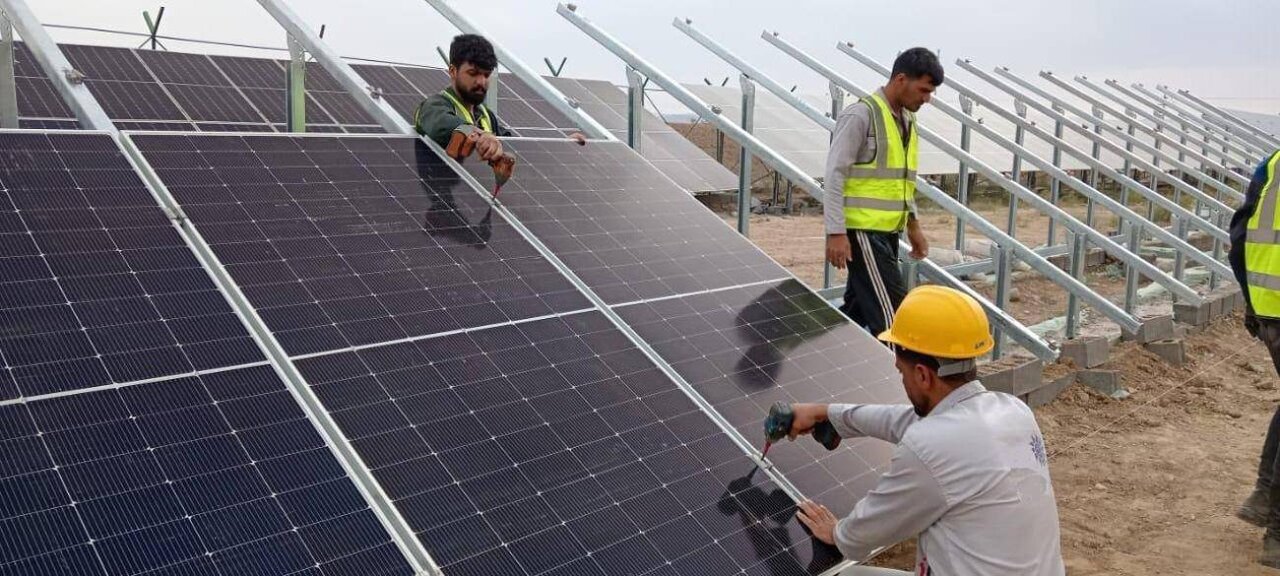
A UNIDO solar project in Torbat-e Jam, Iran, has improved daily life for Afghan refugees and the host community by expanding solar energy capacity, cutting emissions, and supporting sustainable development. The project has generated clean electricity, reduced energy costs, and provided a more reliable power supply for schools, health facilities, and community services.
A UNIDO solar project in Torbat-e Jam, Iran, has improved daily life for Afghan refugees and the host community by expanding solar energy capacity, cutting emissions, and supporting sustainable development. It's like a big solar panel that generates clean electricity, which is good for the environment and helps people have a more reliable power supply.
Analysis
A $60B Vote of Confidence
The Government of the Republic of Korea and the United Nations Industrial Development Organization (UNIDO) have implemented a project in Torbat-e Jam settlement, expanding its solar energy capacity. This expansion has significantly improved essential services, cut emissions, and supported sustainable development for refugees and hosts. The initiative is part of the project Scaling up Sustainable Settlements for Afghan Refugees in the Islamic Republic of Iran, which aims to improve living conditions, expand access to sustainable infrastructure, and strengthen livelihood opportunities for refugees while supporting local communities.
Why Cursor?
The solar power expansion has improved daily life for Afghan refugees and the host community. The project has generated clean electricity, reduced energy costs, and provided a more reliable power supply for schools, health facilities, and community services. The environmental benefits are equally significant. Each year, the expanded solar plant is expected to generate approximately 432 megawatt-hours of clean electricity, avoiding an estimated 285 tonnes of carbon dioxide emissions.
The Road Ahead
The project is investing in people. UNIDO organized hands-on training for settlement personnel on operating and maintaining the photovoltaic system, helping build local technical expertise and ensuring the long-term sustainability of the investment. The training also strengthens community ownership of the system and equips participants with practical skills that can support future employment opportunities. The solar expansion also contributes to Iran's efforts to increase the use of renewable energy, which can simultaneously advance humanitarian assistance, environmental sustainability, and national development priorities.
Key points
- A UNIDO solar project in Torbat-e Jam, Iran, has improved daily life for Afghan refugees and the host community by expanding solar energy capacity, cutting emissions, and supporting sustainable development.
- The project has generated clean electricity, reduced energy costs, and provided a more reliable power supply for schools, health facilities, and community services.
- The solar expansion also contributes to Iran's efforts to increase the use of renewable energy, which can simultaneously advance humanitarian assistance, environmental sustainability, and national development priorities.
If this development plays out positively, it could lead to more refugees and host communities benefiting from similar solar projects, which would improve living conditions, expand access to sustainable infrastructure, and strengthen livelihood opportunities for refugees while supporting local communities.
However, there are also risks associated with this development, such as the potential for technical issues with the solar panels, which could lead to power outages and affect the reliability of the power supply.