Reimagining Education During War: Integrating Psychosocial Support and Social-Emotional Learning Through the Arts
Lebanon's recurring crises have disrupted education, impacting children's mental health. Integrating arts-based approaches into schools can deliver crucial psychosocial support and social-emotional learning, aiding both academic recovery and child well-being.
Intelligence analysis by Gemini 2.5 Flash Lite
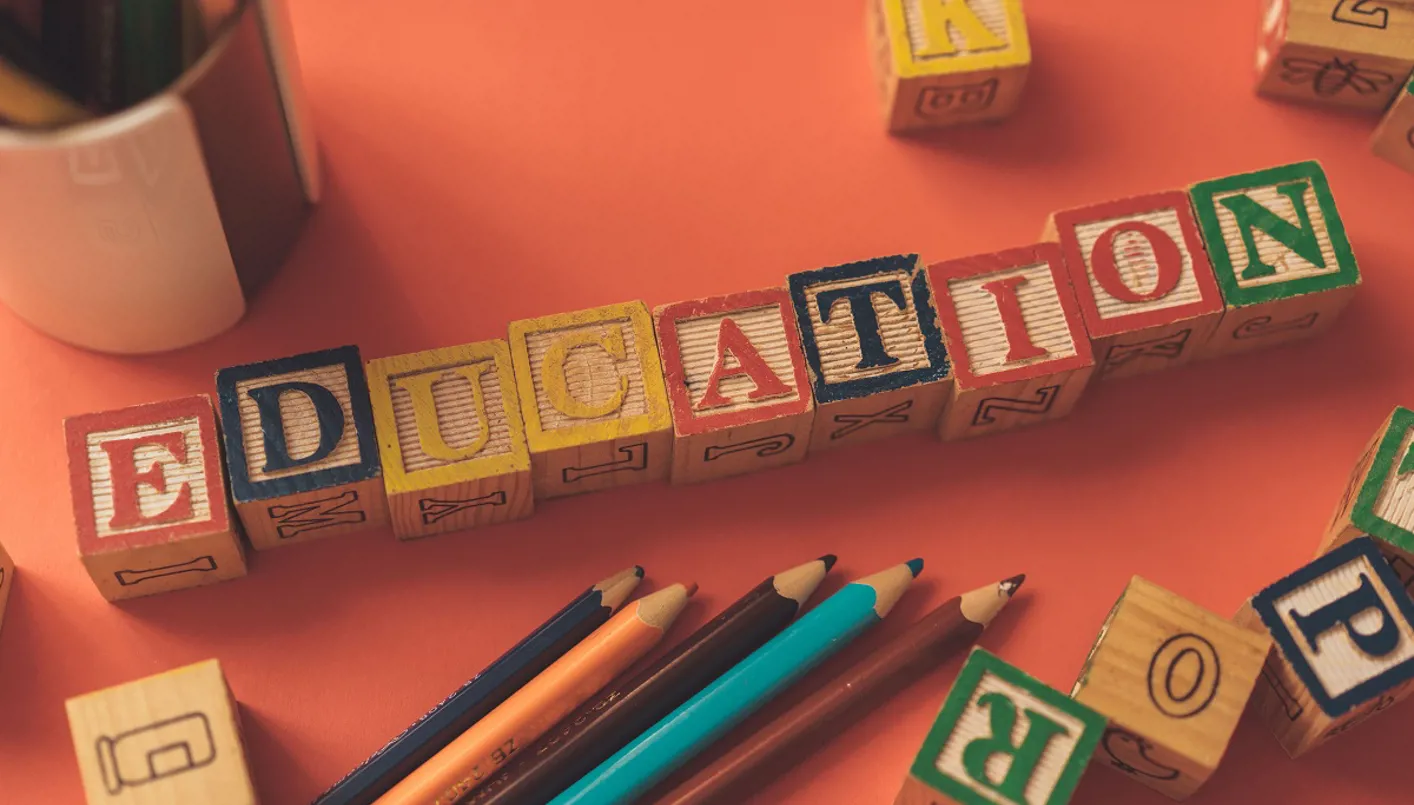
Education in conflict-affected Lebanon faces severe disruption, with millions of students affected. Beyond academic loss, children suffer significant psychological distress. The article advocates for integrating arts-based methods into schooling to provide essential psychosocial support and social-emotional learning, fostering resilience and well-being.
Imagine school is like a playground where kids learn and play. But when there are problems outside, like loud noises or scary events, kids get sad or worried, making it hard to learn or play. This article says using art, like drawing or singing, can help kids feel better and learn better, making school a safe and happy place even when things are tough.
Analysis
The Dual Crisis: Educational Disruption and Psychosocial Distress
The educational landscape in Lebanon is in a state of profound crisis, exacerbated by recurring conflicts and instability. Beyond the immediate impact of school closures and learning disruptions, which have left millions of students behind and out of school, the psychological toll on children is immense. UNICEF reports indicate that a significant majority of caregivers observe anxiety, nervousness, depression, and sadness in their children following conflict-related events. This pervasive emotional distress directly impedes a child's ability to learn, concentrate, and engage in academic activities, creating a vicious cycle where compromised well-being hinders educational progress, and educational setbacks further strain mental health.
Arts as a Bridge: Integrating PSS and SEL into Learning
Recognizing that educational recovery must extend beyond academic remediation, the article champions the integration of Psychosocial Support (PSS) and Social-Emotional Learning (SEL) into the fabric of education. PSS aims to build resilience and coping mechanisms, while SEL focuses on developing crucial life skills like self-awareness, emotional regulation, and empathy. The article posits that arts-based education—encompassing visual arts, music, drama, storytelling, and creative writing—offers a uniquely effective medium for delivering these vital components. Through creative expression, children can safely explore their emotions, process traumatic experiences, strengthen interpersonal bonds, and re-engage with learning in a meaningful, holistic way.
Reimagining Lebanese Schools as Sanctuaries of Well-being
The proposed integration of arts-based PSS and SEL is not merely an add-on but a fundamental reimagining of the school's role in conflict-affected settings. Schools can transform from sites of academic instruction into safe havens that nurture emotional well-being and foster resilience. By embedding these approaches into the daily curriculum, educators can equip children with the tools to navigate adversity, build positive relationships, and develop a stronger sense of self and hope. This holistic approach is essential for not only academic recovery but also for ensuring the long-term psychosocial health and development of Lebanese children facing unprecedented challenges.
Key points
- Recurring crises in Lebanon have severely disrupted education, affecting over a million students.
- Children in Lebanon experience significant anxiety and depression due to conflict and instability.
- Psychosocial Support (PSS) and Social-Emotional Learning (SEL) are crucial for children's well-being and learning.
- Arts-based education offers an effective method for integrating PSS and SEL into schools.
- This approach aims to support both academic recovery and the emotional health of children in crisis-affected settings.
The integration of arts-based psychosocial support and social-emotional learning could significantly enhance children's resilience and emotional well-being, enabling them to cope with the stresses of conflict and instability. This approach may lead to improved academic engagement and better long-term developmental outcomes for Lebanese children.
Without adequate training for educators, resources, and sustained implementation, arts-based PSS and SEL programs may fail to reach vulnerable children effectively. The ongoing instability in Lebanon could also continue to overshadow any positive impacts, leaving children's psychosocial needs unmet.