Renewable energy firms up China’s status as Bangladesh’s top power investor
China's investment in Bangladesh's power sector has reached $1.18 billion, making it the largest foreign investor with a share of 34%.
Intelligence analysis by Qwen 2.5 (3B)
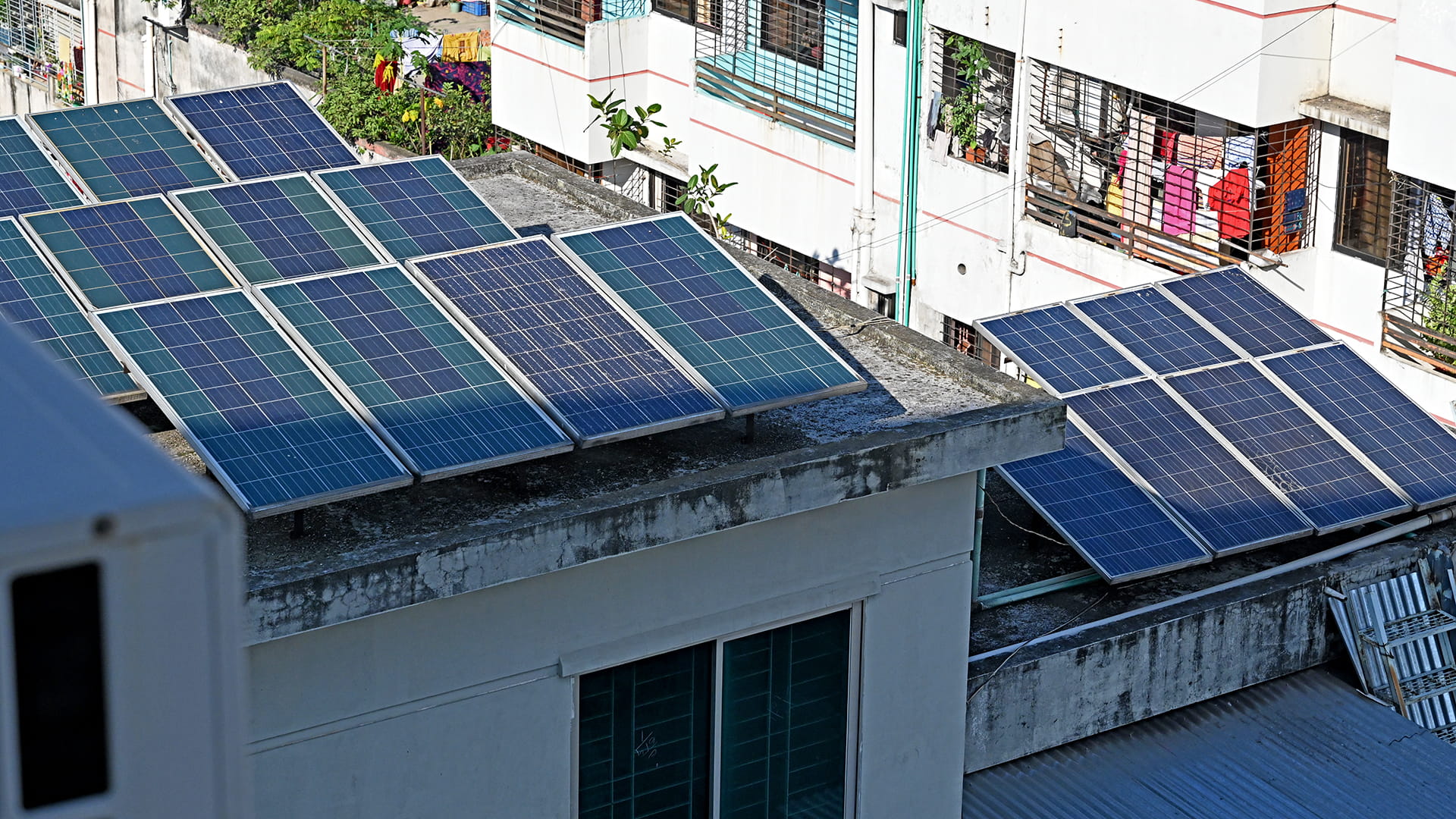
China is increasing its presence in Bangladesh's power sector through renewable energy projects and exports of grid and battery technologies.
China is putting more money into building power plants in Bangladesh. They're focusing on solar and wind projects, which are clean and don't use up all the land like coal or gas plants do.
Analysis
China's Investment Growth
China has become the top foreign investor in Bangladesh's power sector, accounting for over a third of total FDI. This shift is driven by both traditional fossil fuels and growing interest in renewables.
Renewable Energy Focus
Renewable energy projects now account for 50% of China’s investment in Bangladesh’s renewable industry. Key projects include solar parks, wind facilities, and battery technology exports.
BCRECL's Role
The Bangladesh-China Renewable Energy Company Limited (BCRECL) has been instrumental in these projects, partnering with Chinese firms like CMC to develop large-scale renewable energy projects.
Challenges and Opportunities
Despite the growth, land constraints remain a significant hurdle for grid-scale solar projects. The government is exploring public-private partnerships and better coordination between agencies to address this issue.
Policy Measures
Bangladesh has introduced fiscal measures such as tax exemptions and reduced customs duties on renewable energy equipment to support investment in the sector.
Key points
- China is now Bangladesh’s top investor in its power sector
- Renewable energy investments have grown from 28.5% to over 34%
- Public-private partnerships and better coordination between agencies are being explored to address land constraints
If these renewable energy investments succeed, they could help solve Bangladesh's energy problems and reduce pollution.
But if things go wrong with the projects, it might cause more problems for farmers who need to use the land for crops or communities that are displaced by new power plants.