Rental support a boost for hawkers and market stallholders feeling the pinch from the Middle East crisis
The government announced rental support measures for hawkers and market stallholders affected by the Middle East crisis. Hawkers running cooked food stalls will receive S$1,200 in rental support, while market stallholders will get S$600, disbursed over six months.
Intelligence analysis by Llama
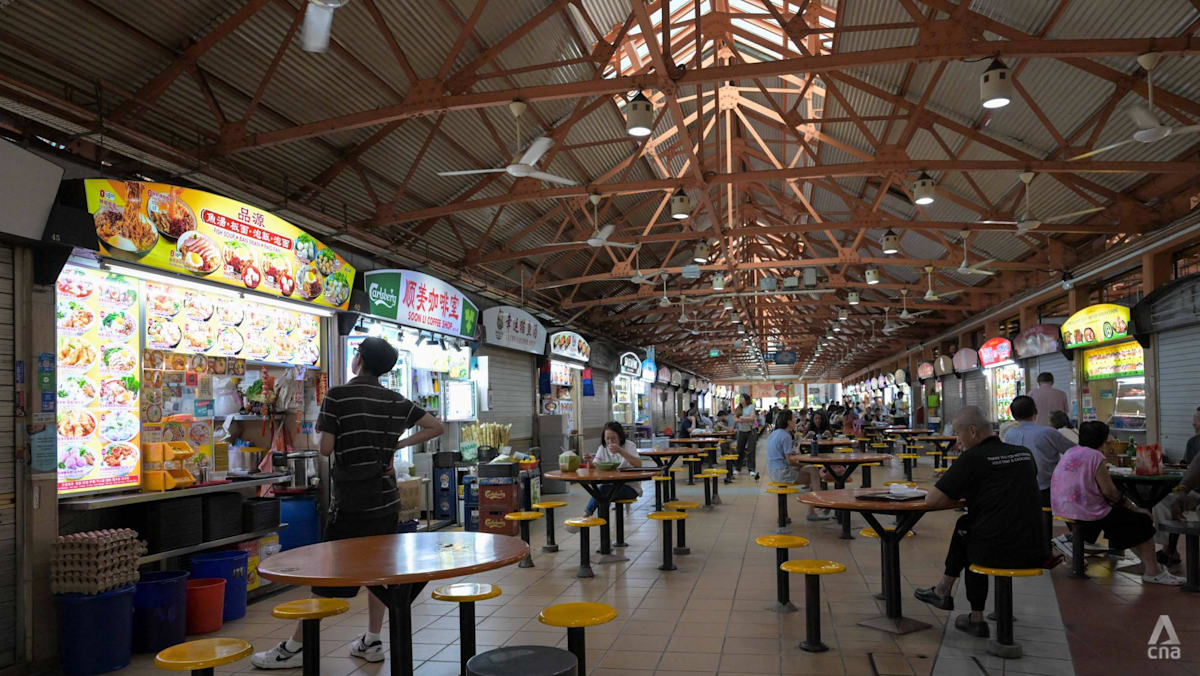
The government has announced rental support measures for hawkers and market stallholders affected by the Middle East crisis. Hawkers running cooked food stalls will receive S$1,200 in rental support, while market stallholders will get S$600, disbursed over six months. This support is expected to benefit 15,200 stalls, comprising 6,900 cooked food stalls and 8,300 market stalls.
Imagine you're a hawker who sells food at a market. The prices of ingredients and packaging items have gone up because of a crisis in the Middle East. You need to raise your prices or reduce your costs to stay in business. The government is giving you some money to help you with your rent, so you can keep selling food at the same price.
Analysis
A $60B Vote of Confidence
The government's announcement of rental support measures for hawkers and market stallholders is a significant move to help sustain Singapore's hawker culture. The support is expected to benefit 15,200 stalls, comprising 6,900 cooked food stalls and 8,300 market stalls. This is a vote of confidence in the hawker industry, which is a significant part of Singapore's food culture.
Why Cursor?
The rental support measures are a response to the rising costs faced by hawkers and market stallholders due to the Middle East crisis. The costs of ingredients, packaging items, and even table cleaning fees have gone up, making it difficult for hawkers to maintain their current menu prices. The government's support is a recognition of the challenges faced by hawkers and a commitment to help them sustain their businesses.
The Road Ahead
The rental support measures are a short-term solution to help hawkers and market stallholders cope with the rising costs. However, the long-term sustainability of the hawker industry depends on various factors, including the government's policies and the hawkers' ability to adapt to changing market conditions. The government's support is a positive step, but it is essential to monitor the industry's progress and make adjustments as needed.
Key points
- The government has announced rental support measures for hawkers and market stallholders affected by the Middle East crisis.
- Hawkers running cooked food stalls will receive S$1,200 in rental support, while market stallholders will get S$600, disbursed over six months.
- The support is expected to benefit 15,200 stalls, comprising 6,900 cooked food stalls and 8,300 market stalls.
- The rental support measures are a response to the rising costs faced by hawkers and market stallholders due to the Middle East crisis.
The rental support measures are a positive step towards helping hawkers and market stallholders cope with the rising costs. If the measures are effective, it could lead to a decrease in food prices and an increase in the number of hawkers and market stallholders who can sustain their businesses.
However, the rental support measures may not be enough to address the long-term challenges faced by the hawker industry. If the Middle East crisis continues to affect the prices of ingredients and packaging items, hawkers and market stallholders may still struggle to maintain their businesses.