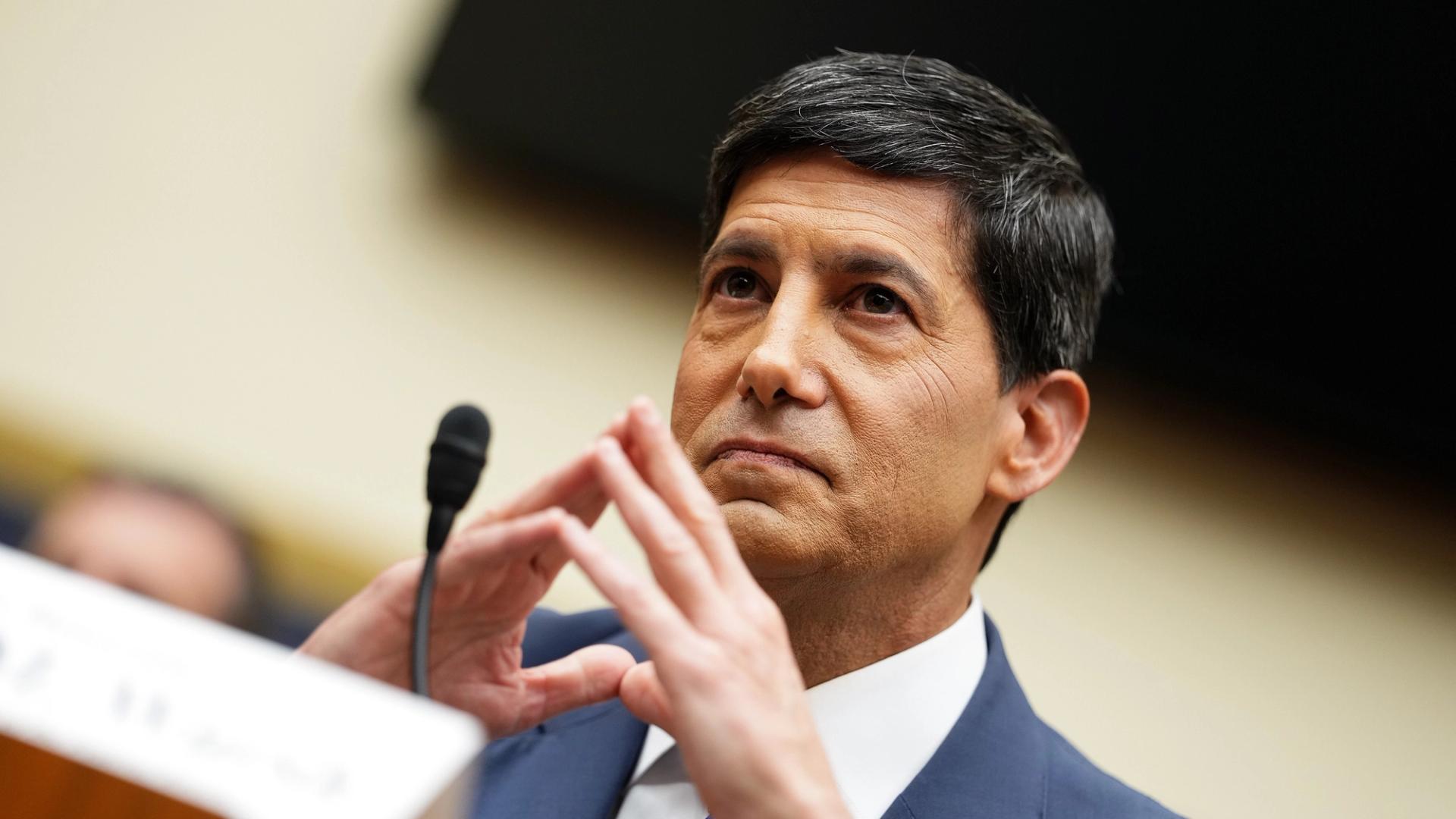
Republican Senator Cynthia Lummis Slams Democrat Lawmakers For Dragging Their Feet Over Clarity Act
Senator Cynthia Lummis, a pro-crypto advocate, has criticized Democrats for delaying the Clarity Act, a bipartisan bill aimed at regulating the cryptocurrency market. Lummis expressed frustration with the holdup, stating that she is unsure what else her Democratic colleag…
Intelligence analysis by Llama

Senator Cynthia Lummis has slammed Democrats for holding back the Clarity Act, a bipartisan bill aimed at regulating the cryptocurrency market. Lummis expressed frustration with the holdup, stating that she is unsure what else her Democratic colleagues need before the bill is passed.
Imagine you're trying to build a new house, but the government keeps changing the rules. That's kind of what's happening with the Clarity Act. It's a bill that would help create a clear set of rules for the cryptocurrency market. But some people are worried that the rules aren't good enough, and they're holding it up. Senator Lummis is frustrated because she thinks the rules are good and that it's time to move forward. She's hoping that the bill will pass soon so that the cryptocurrency market can grow and develop in a more stable way.
Analysis
A $60B Vote of Confidence
Senator Cynthia Lummis's recent comments on the Clarity Act have sparked renewed interest in the bipartisan bill. As a pro-crypto advocate, Lummis has been a key player in shaping the legislation. Her frustration with the holdup is understandable, given the bill's potential to create a regulatory framework for the cryptocurrency market. The Clarity Act has been in the works for nearly a year, with major financial institutions, lawmakers, and companies throwing their weight behind it. Despite this, a group of Democrats has expressed concerns over the bill's current form, citing ethics concerns. The updated bill introduced last week addresses these concerns by banning government officials and their families from issuing or promoting crypto. Republicans are hoping to gain bipartisan support for the bill this week to advance the legislation. If passed, the Clarity Act would be a significant step forward for the cryptocurrency industry, providing much-needed clarity and regulation. However, the bill's fate remains uncertain, with Democrats continuing to express concerns over its current form.
Why Cursor?
The Clarity Act's delay has significant implications for the cryptocurrency market. The bill's passage would provide a much-needed regulatory framework, allowing the industry to grow and develop in a more stable environment. Without it, the market remains uncertain, with investors and businesses struggling to navigate the complex regulatory landscape. The delay has also sparked concerns over the bill's potential impact on the industry's growth. Some have argued that the bill's passage would lead to increased adoption and investment in the cryptocurrency market, while others have expressed concerns over its potential to stifle innovation. The debate surrounding the Clarity Act highlights the complexities of regulating the cryptocurrency market. As the bill continues to navigate the legislative process, it remains to be seen whether it will ultimately pass. However, one thing is clear: the Clarity Act has the potential to be a game-changer for the cryptocurrency industry.
The Road Ahead
The Clarity Act's fate remains uncertain, with Democrats continuing to express concerns over its current form. Republicans are hoping to gain bipartisan support for the bill this week to advance the legislation. If passed, the Clarity Act would be a significant step forward for the cryptocurrency industry, providing much-needed clarity and regulation. However, the bill's passage is far from guaranteed, and its fate remains uncertain. As the legislative process continues, it remains to be seen whether the Clarity Act will ultimately pass. One thing is clear, however: the bill has the potential to be a game-changer for the cryptocurrency industry.
Key points
- Senator Cynthia Lummis has slammed Democrats for holding back the Clarity Act, a bipartisan bill aimed at regulating the cryptocurrency market.
- The bill has been in the works for nearly a year, with major financial institutions, lawmakers, and companies throwing their weight behind it.
- A group of Democrats has expressed concerns over the bill's current form, citing ethics concerns.
- The updated bill introduced last week addresses these concerns by banning government officials and their families from issuing or promoting crypto.
- Republicans are hoping to gain bipartisan support for the bill this week to advance the legislation.
If the Clarity Act passes, it could lead to increased adoption and investment in the cryptocurrency market. This could result in a surge in the price of Bitcoin and other cryptocurrencies, making them more accessible to a wider range of investors. Additionally, the bill's passage could lead to the creation of new jobs and opportunities in the cryptocurrency industry, further driving growth and development.
If the Clarity Act fails to pass, it could lead to a decline in the price of Bitcoin and other cryptocurrencies. This could result in a loss of value for investors and a decrease in the overall adoption of the industry. Additionally, the failure of the bill could lead to a lack of clarity and regulation in the industry, making it more difficult for businesses and individuals to operate within the market.