Resident doctors in England to stage four-day strike in June
Resident doctors in England will strike for four days in June, escalating a long pay and training dispute with the government.
Intelligence analysis by GPT-5.4 Mini
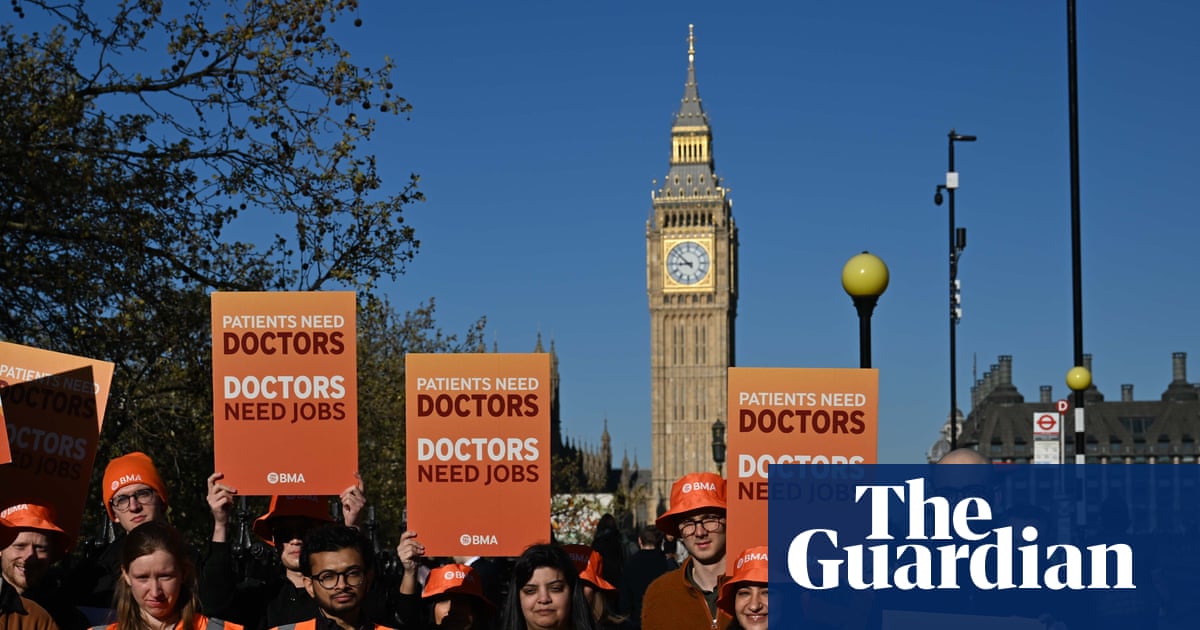
The British Medical Association says resident doctors will walk out for 96 hours in June after talks with the new health secretary failed to produce movement on pay or training places. The action is set to disrupt NHS appointments and procedures and could be followed by more strikes in July.
Resident doctors in England are planning to stop work for four days in June. They are angry about pay and about how hard it is to get training jobs that help them move up in medicine.
The government says the doctors have already had a big pay rise and should not strike again. The doctors say their pay has still fallen behind compared with the past, like a toy that got more expensive while the allowance stayed almost the same.
If the strike happens, hospitals will need to move many checkups and operations to other dates. That means patients may have to wait longer.
Analysis
What happened
Resident doctors in England will stage a four-day strike from 7am on Monday 15 June to 6.59am on Friday 19 June, according to the British Medical Association. The union says it is frustrated by a lack of progress in talks with the new health secretary, James Murray, and warns that another stoppage could follow in July if there is still no movement.
This will be the 16th strike by resident doctors since the dispute began in March 2023. The BMA says the action is part of a long-running battle over pay and career progression. It argues that doctors have suffered a 26% fall in the real-terms value of salaries since 2008-09 and wants a pay rise that restores that loss. It is also pressing the NHS to expand training places so more resident doctors can move into specialty careers.
Why the dispute is still stuck
Murray, who replaced Wes Streeting as health secretary on 14 May, said the BMA’s demands were unrealistic, unaffordable and unsustainable. He said resident doctors had already received a 33.4% pay rise over the last four years, which he described as the highest in the public sector, and argued the union’s case did not justify more strike action.
Dr Jack Fletcher, who chairs the BMA’s resident doctors committee, said the union had hoped a change in leadership would bring a different approach. Instead, he said, the talks produced the same lack of movement on pay and vague answers on jobs. He argued the government had missed a chance to break the deadlock.
The NHS Alliance criticised the strike as rash and irresponsible. It said hospitals will have to rearrange thousands of tests, appointments and operations, and that the walkout will add pressure to already stretched staff. The article says the NHS could face costs of about £50m a day to manage the disruption.
The report also notes that the BMA’s GPs committee plans to ballot family doctors in England on whether practices should begin offering more private care, including subscription-based and means-tested services. That issue is separate, but it adds to broader tension between the union and the health department over workloads and contracts.
Key points
- Resident doctors in England plan a 96-hour strike from 15 June to 19 June.
- The BMA says the action comes after talks with the new health secretary failed to make progress.
- The dispute centers on pay erosion and a shortage of training places for doctors.
- The NHS says the strike will disrupt tests, appointments and operations and add major costs.
- The BMA has warned that another strike could follow in July if there is no breakthrough.