Retail sales fall despite World Cup and hot weather boosting alcohol and drinks trade – business live
Retail sales fell in July after a bumper period the previous month, despite the World Cup luring punters into pubs and the hot weather boosting alcoholic drink sales in supermarkets. The total volume of goods sold in stores and online fell 0.5% in July, according to the O…
Intelligence analysis by Llama
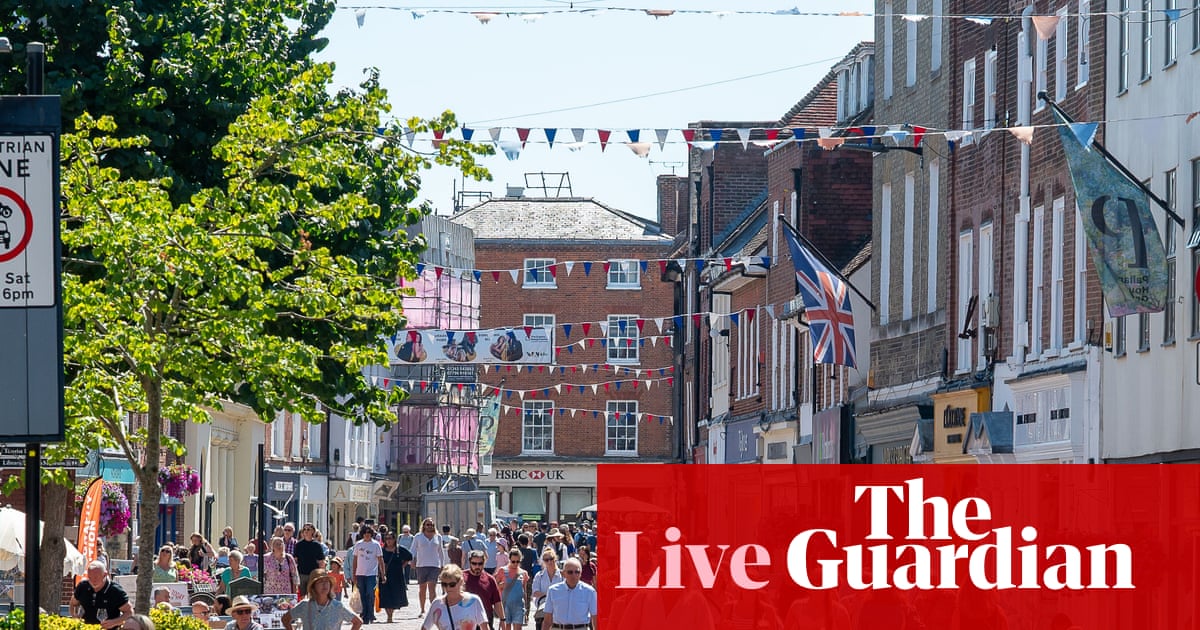
Retail sales fell in July, despite the World Cup and hot weather boosting sales of alcoholic drinks and beverages. The total volume of goods sold in stores and online fell 0.5% in July, according to the Office for National Statistics (ONS).
Imagine you're at a party, and everyone's having a great time. But then, people start to leave because it's getting too hot outside. That's kind of what happened with retail sales in July. People were having a great time during the World Cup, but then the hot weather made them want to stay inside and cool off. As a result, sales of things like food and drinks went down. But sales of things like fans and outdoor gear went up because people were trying to stay cool.
Analysis
Retail Sales Fall Despite World Cup and Hot Weather Boosting Drinks Trade
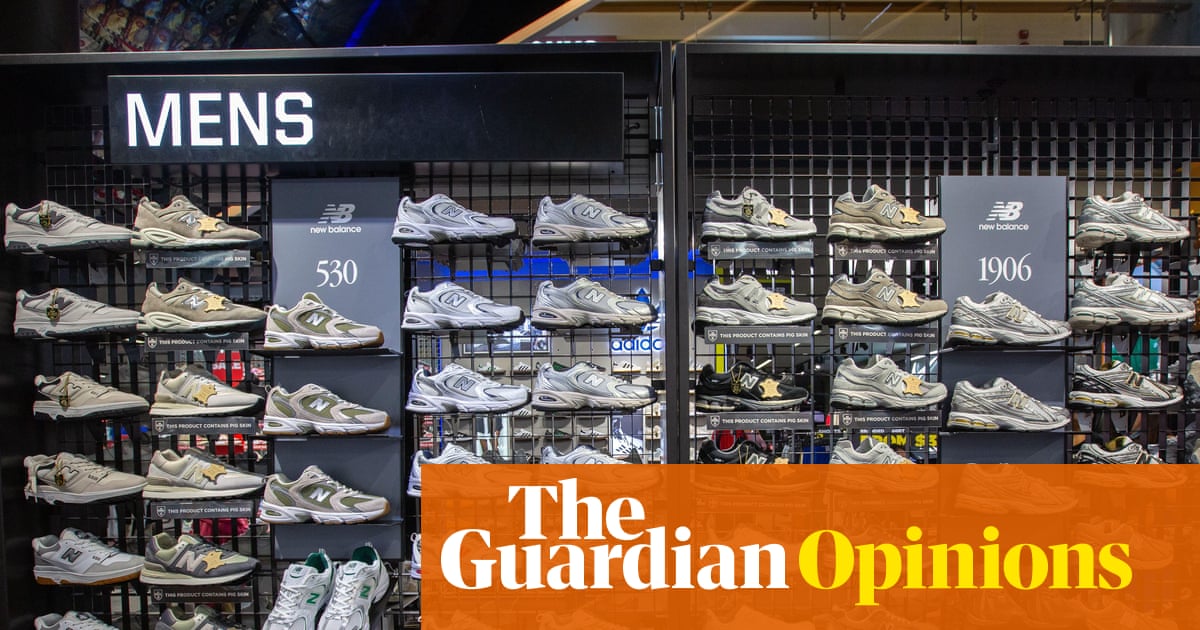
The Office for National Statistics (ONS) reported that retail sales fell in July, despite the World Cup and hot weather boosting sales of alcoholic drinks and beverages. The total volume of goods sold in stores and online fell 0.5% in July, compared with a 1% rise in June. The drop was partly due to non-food sales dropping back in July, after British retailers had brought promotions forward to June because of the hot weather.
The ONS said there was 'evidence of reduced promotions in July' among household goods and clothing retailers. However, shops selling alcoholic drinks and beverages 'performed well, which they attributed to promotions, the hot weather, and the World Cup,' it said.
ONS chief economist Grant Fitzner said: 'Retail sales increased in the latest three months, with all main sectors, apart from motor fuel, seeing growth.' Some retailers told the ONS that hot weather and promotions helped sales of outdoor products and items such as fans, with clothing and online sports merchandise also doing well.
The figures come after UK consumer confidence jumped to a two-year high last month, according to a closely followed monitor. That is despite tensions in Iran flaring up again and a jump in energy bills last month making a dent in consumer finances. GfK's Consumer Confidence Index rose to -14 from -17 in July, but with inflation rising again and ongoing uncertainty in the Middle East, 'there are still many challenges ahead that will test the mettle of UK consumers,' said Neil Bellamy, consumer insights director at GfK.
Elsewhere, oil prices were at one-month highs amid the ongoing deadlock between the US and Iran. Brent crude was at $93.42 a barrel, 0.38% down for the day but still trading higher than at the start of the week. Asian share indices were mixed on Friday as stress in global bond markets showed little sign of abating. Japan's Nikkei index was down 0.53%, although South Korea's Kospi was up 0.87% and Hong Kong's Hang Seng was up 0.92%.
The agenda for the day includes ONS retail sales data, ONS public finances, flash PMI eurozone, UK flash PMI, and US flash PMI.
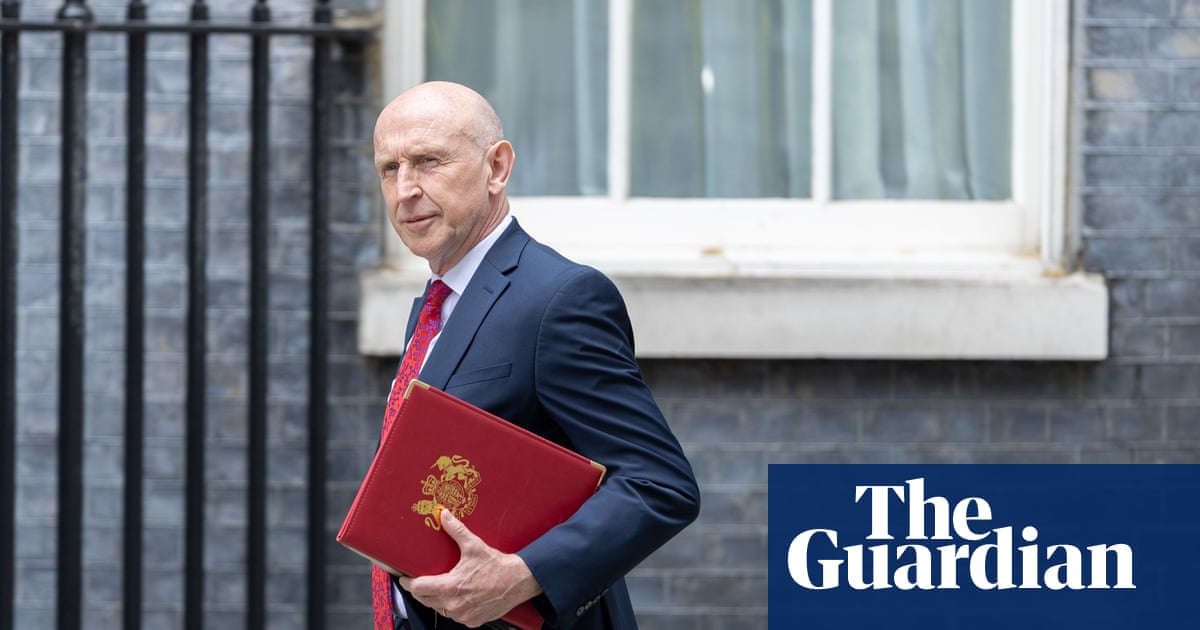
UK Reports Unexpected Deficit of £1.8bn as John Healey Prepares for First Budget
The UK government ran a larger than expected £1.8bn deficit in July, according to official data. The figures underline the challenges facing the chancellor, John Healey, as he draws up his first budget. City economists had expected a shortfall of zero for July, a month when Treasury receipts tend to be swollen by self-assessment income tax payments. However, the Office for National Statistics said despite strong tax receipts, public sector borrowing last month was £1.8bn.
In the first four months of this financial year, the cumulative deficit was £56.7bn – lower than last year but still running £2.3bn ahead of the Office for Budget Responsibility forecast. Total public debt was £2.98tn, or 94% of GDP – up £96bn on a year earlier – in line with Labour's plan to borrow for investment in infrastructure projects.
Healey said: 'Fiscal discipline is the bedrock of our UK economic stability and national security, which is why we are committed to meeting our fiscal rules, with a buffer against global uncertainties. We are cutting the deficit faster than any other G7 economy, while giving people a bit of breathing space with cost of living pressures and focusing support to get young people into work.'
Key points
- Retail sales fell in July, despite the World Cup and hot weather boosting sales of alcoholic drinks and beverages.
- The total volume of goods sold in stores and online fell 0.5% in July, according to the Office for National Statistics (ONS).
- The ONS said there was 'evidence of reduced promotions in July' among household goods and clothing retailers.
- Shops selling alcoholic drinks and beverages 'performed well, which they attributed to promotions, the hot weather, and the World Cup,' it said.
- The UK government ran a larger than expected £1.8bn deficit in July, according to official data.
If the UK government can continue to manage its finances effectively, it could lead to a more stable economy and a boost in consumer confidence. This could, in turn, lead to increased spending and economic growth.
If the UK government is unable to manage its finances effectively, it could lead to a rise in inflation and a decrease in consumer confidence. This could, in turn, lead to a decrease in spending and economic growth.