Rising number of people seeking ADHD diagnosis without treatment, say experts
Experts say people are increasingly seeking ADHD diagnosis without pursuing treatment, with some regarding ADHD as an identity rather than a disorder. Psychiatrists argue that ADHD is a social construct and that schools should adapt to better support a wider range of chil…
Intelligence analysis by Llama
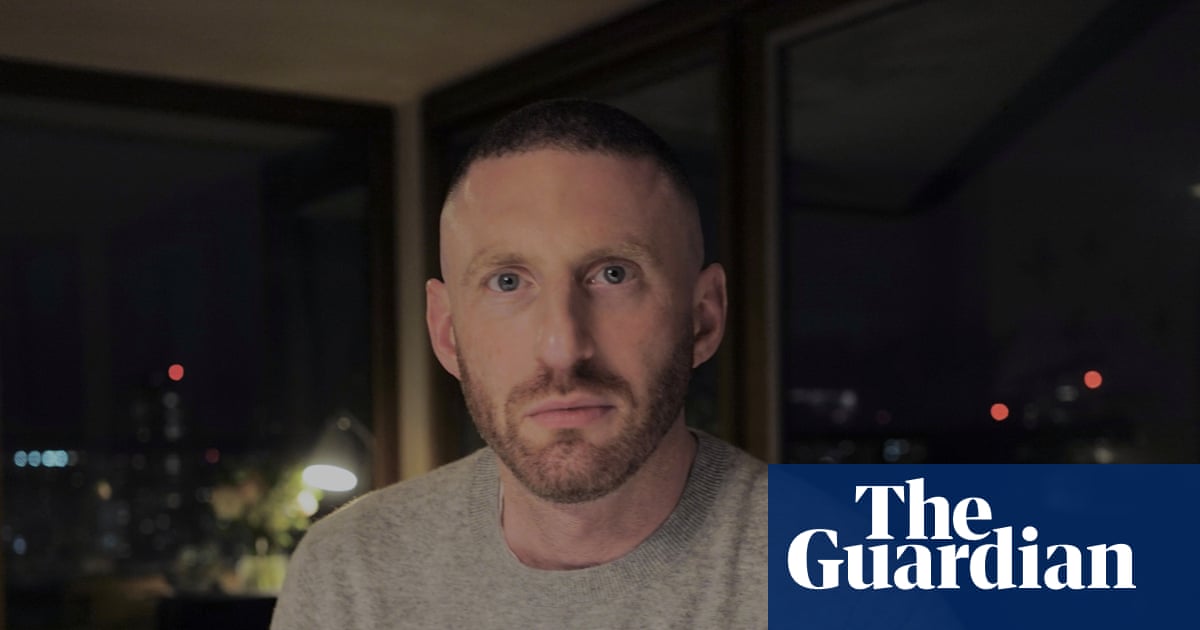
A Channel 4 documentary, The Great ADHD Myth?, argues that ADHD is a social construct rather than a medical condition. Experts say that people are seeking ADHD diagnosis without pursuing treatment, and that the private sector is providing low-quality assessments.
Imagine you have a friend who has trouble focusing and sitting still. They might get diagnosed with ADHD, which is a condition that affects how people think and behave. But some people are getting diagnosed with ADHD without really needing treatment. This can be because they think ADHD is a cool identity, or because they want to get special help. The problem is that this can lead to people getting the wrong treatment, or not getting the help they really need.
Analysis
The Rise of ADHD Diagnosis Without Treatment
The number of people seeking ADHD diagnosis without pursuing treatment is on the rise, according to experts. This trend has sparked concerns about the commodification of mental health services and the potential for underdiagnosis and misdiagnosis. Dr Marios Adamou, the founder of the UK Adult ADHD Network, has seen recent figures showing that 50% of child patients did not pursue treatment after diagnosis, and observed a similar trend among adult patients in his clinic.
The issue is further complicated by the fact that many people now regard ADHD as an identity rather than a disorder. This has led to a growth in complaints against NHS doctors when they are forced to reject low-quality assessments. Adamou argues that ADHD is both a social construct and a brain disorder, with brain differences well established through research. However, he believes that the ADHD concept has been expanded so much that it is risking becoming meaningless.
The Role of Private Providers
The private sector is providing a significant proportion of ADHD assessments in the UK, with many private providers offering low-quality services. This has created a market where people can obtain an ADHD diagnosis without pursuing treatment. Adamou believes that this is fueled by challenges with the quality and regulation of the ADHD services market.
The Impact on Mental Health Services
The growing trend of seeking ADHD diagnosis without treatment raises concerns about the impact on mental health services. Prof Dinesh Bhugra, the former head of the Royal College of Psychiatrists, agrees that there has been a splurge of diagnosis, and that we do not know why that is. He believes that the question is why now, and why this, and what is it providing. His fear is that we are medicalizing normal human responses because it gives us the power as clinicians and it gives people the label which allows them to either feel they've got certain privileges or it gives them certain cachet in society.
The Need for a Holistic Approach
The experts agree that services should be reformed to take a more holistic approach, bringing together the social, biological, and psychological facts of ADHD rather than emphasizing medical intervention. This would involve a more integrated approach to mental health services, with a focus on prevention and early intervention. By taking a more holistic approach, we can ensure that people with ADHD receive the support and treatment they need, rather than being medicalized into a restrictive norm.
Key points
- The number of people seeking ADHD diagnosis without pursuing treatment is on the rise.
- Many people now regard ADHD as an identity rather than a disorder.
- The private sector is providing a significant proportion of ADHD assessments in the UK.
- Services should be reformed to take a more holistic approach, bringing together the social, biological, and psychological facts of ADHD.
- A more integrated approach to mental health services is needed, with a focus on prevention and early intervention.
If we take a more holistic approach to mental health services, we can ensure that people with ADHD receive the support and treatment they need. This could involve a more integrated approach to mental health services, with a focus on prevention and early intervention. By working together, we can create a system that supports people with ADHD and helps them thrive.
The growing trend of seeking ADHD diagnosis without treatment raises concerns about the commodification of mental health services. If we continue down this path, we risk creating a system that prioritizes profit over people's needs. This could lead to underdiagnosis and misdiagnosis, and exacerbate the existing inequalities faced by people with ADHD.