Riyadh Airport Attack Kills 12: 'Wounded Crying for Help, Everyone Was Running'
Saudi Arabia confirmed a Houthi attack on Riyadh's King Khalid International Airport killed at least 12 and injured 309, prompting a 'decisive' retaliatory threat from the Saudi-led coalition. Pakistan and the US condemned the 'war crime' attack, with an American citizen …
Intelligence analysis by Gemini 2.5 Flash

A Houthi missile strike on Riyadh's King Khalid International Airport resulted in significant casualties and damage, escalating the conflict between the Saudi-led coalition and the Iran-backed Houthis. International condemnation followed, with Pakistan reaffirming its solidarity with Saudi Arabia and the US considering its response.
Imagine a big airport in Saudi Arabia got hit by a rocket from a group called the Houthis, causing a lot of people to get hurt or die. It was a scary mess, like when a bully throws a rock at a school. Countries like Pakistan and the US are very upset and saying this kind of attack is wrong and needs to stop.
Analysis
King Khalid International Airport
The recent Houthi attack on King Khalid International Airport in Riyadh marks a significant escalation in the ongoing conflict between the Saudi-led coalition and the Iran-backed Houthi rebels in Yemen. This incident, which resulted in 12 fatalities and 309 injuries, is described as the largest such attack on Saudi Arabia during the current fighting. The targeting of a civilian passenger terminal, as confirmed by Major General Turki Al-Maliki, spokesperson for the Saudi-led coalition, has been unequivocally labeled a "war crime."
The attack caused considerable chaos, with eyewitnesses reporting scenes of panic, injured individuals crying for help, and a rapid influx of ambulances. The damage to the airport is currently being assessed by the Saudi Civil Aviation Authority, and several Gulf airlines have canceled or diverted flights, indicating a severe disruption to air travel in the region. This direct targeting of civilian infrastructure underscores the Houthis' capability to strike deep within Saudi territory and their willingness to escalate the conflict beyond traditional military engagements.
Pakistan's Condemnation
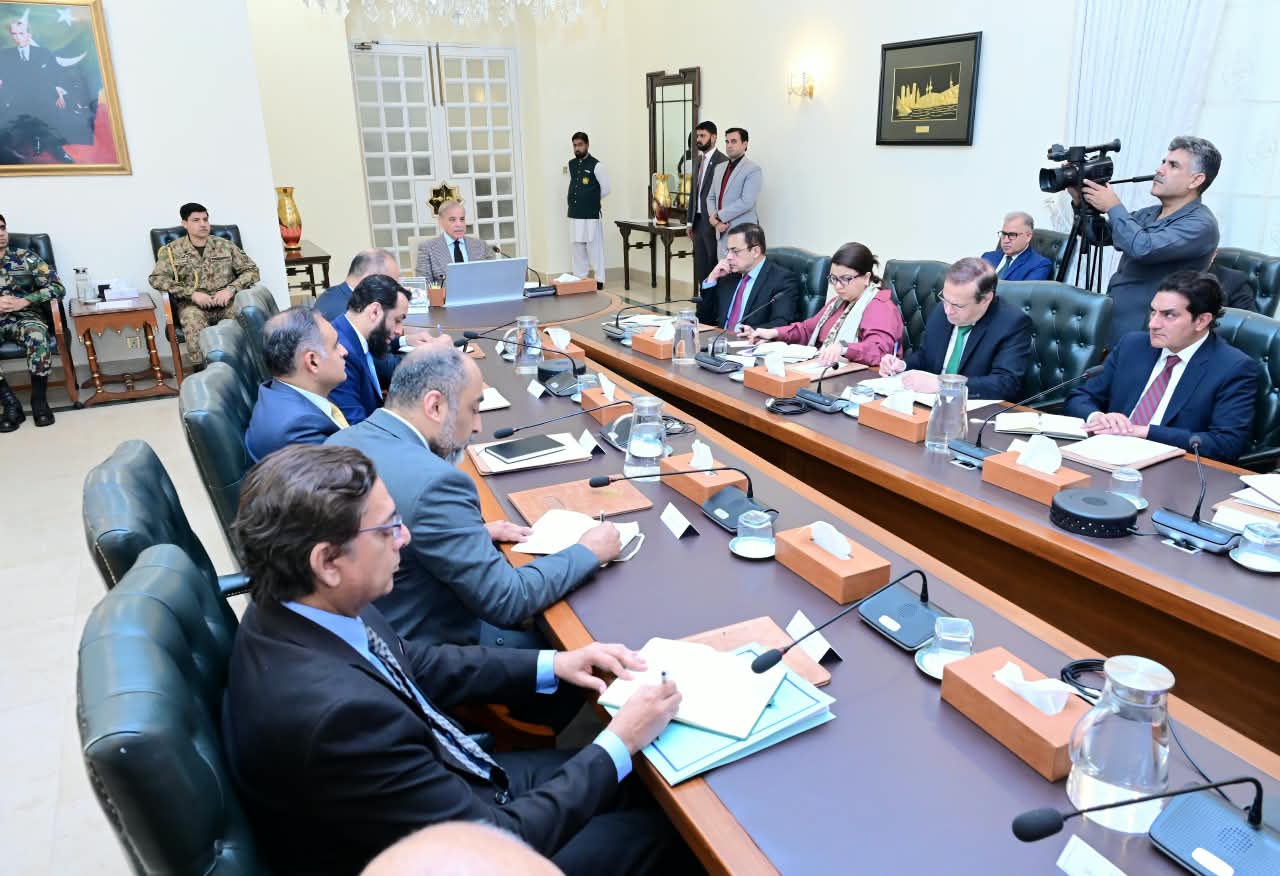
Pakistan's swift and strong condemnation of the Riyadh airport attack highlights its deep-rooted strategic and fraternal ties with Saudi Arabia. Prime Minister Shehbaz Sharif explicitly stated Pakistan's unwavering commitment to Saudi Arabia's sovereignty and territorial integrity, referencing the Makkah Joint Defense Agreement. This agreement forms a crucial framework for security cooperation between the two nations, making Pakistan's response particularly significant.
The Pakistani Foreign Office further reinforced this stance, emphasizing that attacks on civilian properties and airports constitute acts of terrorism and pose a threat to regional security. Pakistan's commitment to protecting Saudi Arabia's sovereignty, especially in the context of decisions made by the Makkah Alliance's Political, Defense, and Strategic Committee, signals a continued alignment with Saudi security interests. This firm diplomatic support underscores Pakistan's role as a key ally in the region and its consistent advocacy for international law against acts of violence targeting civilian infrastructure.
Donald Trump
The attack also drew a strong reaction from then-US President Donald Trump, who deemed the incident "unacceptable." His statement indicated a potential shift in US policy regarding the Yemen conflict, as he mentioned he would soon decide whether the US would participate in Saudi Arabia's operations against the Iran-backed Houthis. This consideration came after the significant casualties and damage reported at Riyadh Airport.
President Trump's remarks about contacting Saudi Crown Prince Mohammed bin Salman and moving "very quickly" suggest a high-level engagement and a potential re-evaluation of US involvement. The confirmation of an American citizen's death in the attack by US Secretary of State Marco Rubio further amplified the US's concern. This international response from a major global power like the United States adds another layer of complexity to the conflict, potentially leading to increased external intervention or diplomatic pressure on the Houthi rebels.
Key points
- A Houthi attack on Riyadh's King Khalid International Airport killed 12 people and injured 309.
- The Saudi-led coalition declared the attack a 'war crime' and vowed 'decisive' retaliation.
- An American citizen was confirmed among the fatalities.
- Pakistan's Prime Minister and Foreign Office strongly condemned the attack, reaffirming solidarity with Saudi Arabia under the Makkah Joint Defense Agreement.
- US President Donald Trump called the attack unacceptable and indicated a review of potential US involvement in Saudi operations against Houthis.
The strong international condemnation, including from the US and Pakistan, could lead to increased diplomatic pressure on the Houthi rebels to cease attacks on civilian targets. This unified stance might also bolster Saudi Arabia's defense capabilities and regional security cooperation, potentially deterring future escalations.
The Saudi-led coalition's vow of 'decisive' retaliatory action suggests a significant escalation of the conflict, potentially leading to more widespread violence and instability in the region. The continued targeting of civilian infrastructure by Houthis, despite international condemnation, indicates a prolonged and dangerous conflict with further loss of life.