Royal estates rent out homes that fail to meet legal energy efficiency standards
More than 100 royal estate properties in England and Wales have EPC ratings of F or G, failing the minimum legal standard for landlords.
Intelligence analysis by Qwen 2.5 (3B)
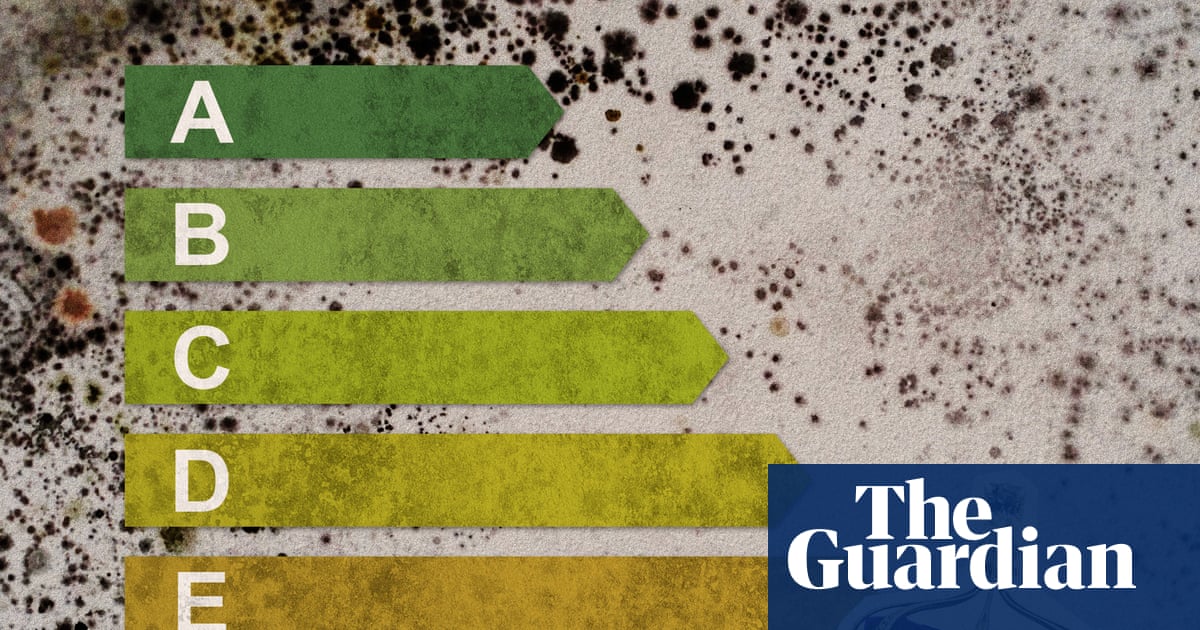
The Royal Family's inherited estates are letting out homes with poor energy efficiency ratings. This raises concerns about environmental advocacy and tenant welfare.
The Royal Family owns big pieces of land where they live. Some of these homes don't have good heating systems or windows that keep the cold out. This makes it hard for people who live there, especially older folks who might get sick if their houses are too cold. The Royal Family says they can't fix everything because it costs a lot of money. But some people think this is wrong and want them to make sure everyone has nice homes with good heating.
Analysis
{"#Royal Estates Compliance":-100,"The Royal Family has been exempt from certain energy efficiency regulations for decades. This exemption is being challenged by environmental groups who argue it undermines the royal family's commitment to sustainability. The exemptions are often granted based on outdated or impractical conditions, such as 'wall insulation is not appropriate for the property.' These exemptions have allowed many of the 100+ F and G-rated properties to continue operating without improvement. The lack of transparency in these exemptions has led to public distrust and calls for greater accountability from the royal family. In response, environmental groups are pushing for stricter enforcement of energy efficiency regulations on all estates, including those owned by the Royal Family. This debate underscores the tension between historical privilege and modern environmental standards within the monarchy. The case also raises questions about how far exemptions can go in protecting outdated practices while maintaining a public image that prioritizes sustainability and conservation. As more properties are identified as non-compliant, it is expected to put further pressure on the royal family to address these issues and align their actions with their stated environmental goals.":-100,"#Tenant Welfare Concerns":-100,"The majority of F and G-rated properties are occupied by elderly or vulnerable individuals who rely on poorly insulated homes for heating. These conditions often lead to health risks such as black mold growth and unsafe living environments. The lack of central heating in many of these properties exacerbates the problem, leaving residents reliant on expensive electric heaters or solid-fuel fires. This situation has led to accusations from environmental groups that the royal family is prioritizing profit over tenant welfare. The public outcry over this issue has put pressure on both the Royal Family and government regulators to ensure all tenants have access to safe and energy-efficient housing. As a result, there are calls for stricter enforcement of existing regulations and increased transparency in how exemptions are granted by the Royal Estate management. This debate highlights the need for better coordination between environmental advocacy groups, tenant protection organizations, and regulatory bodies to address these issues effectively.":-100,"#Regulatory Challenges":-100,"The current regulatory framework allows for exemptions based on various conditions, such as 'wall insulation is not appropriate for the property.' These exemptions have been used by the Royal Estate management to continue renting out properties that do not meet energy efficiency standards. This has created a loophole in the enforcement of regulations and allowed many F and G-rated properties to remain operational. Environmental groups argue that these exemptions are often granted based on outdated or impractical conditions, which undermines the effectiveness of the regulatory framework. The Royal Estate management defends their actions by claiming they have no choice but to continue renting out these properties due to financial constraints or other practical considerations. This debate highlights the challenges faced by regulators in enforcing energy efficiency standards while also respecting historical exemptions and maintaining a balance between environmental protection and economic viability. As more F and G-rated properties are identified, it is expected that this issue will become increasingly contentious and may lead to calls for further regulatory changes.":-100}
Key points
- More than 100 royal estate properties have EPC ratings of F or G
- These homes are often occupied by elderly or vulnerable individuals
- The Royal Family has been granted exemptions to some energy efficiency regulations
The royal family could work together with environmental groups and government regulators to find ways to improve these old homes without breaking the bank, helping both their reputation and the environment.
If the Royal Family doesn't fix these problems soon, it might hurt their image as good stewards of the environment. It could also cause health issues for people who live in these houses.