Rubio says US and China must keep talking despite deep differences
Marco Rubio said Washington and Beijing must keep talking to avoid tensions over Taiwan, trade and security from escalating.
Intelligence analysis by GPT-5.4 Mini
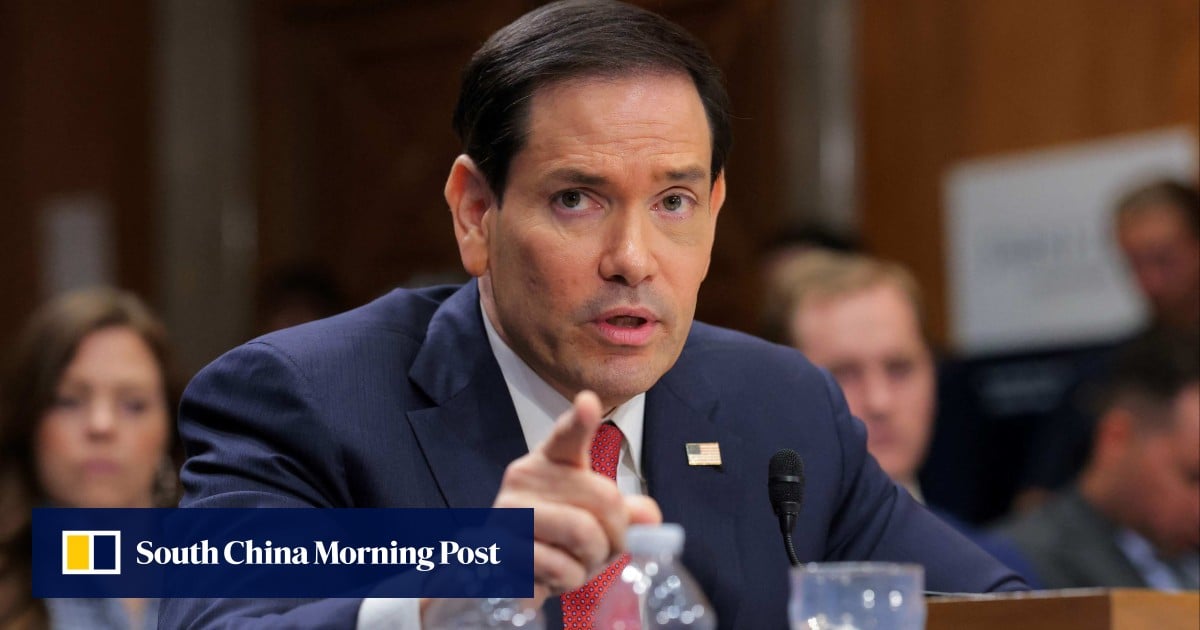
At a Senate hearing, Rubio framed the US-China relationship as full of long-term irritants but still too important to let dialogue break down. He said communication is necessary to manage strategic stability even if disagreements last for years.
Rubio is saying the US and China are like two very strong kids on the same playground: they may not agree, but they still need to talk so a small argument does not turn into a big fight.
Analysis
What Rubio said
At a Senate Foreign Relations Committee hearing on the State Department budget, US Secretary of State Marco Rubio said the US and China need to keep talking despite major differences. He described the relationship as marked by “significant irritants” and said both sides must communicate to prevent flashpoints from growing into a wider conflict.
The core message
Rubio said the two governments “have to speak” and that there is “really not a choice here.” He said the goal is to manage a period of strategic stability while recognizing that some parts of the relationship will remain difficult for a long time, possibly for decades.
Why this matters
The remarks come only weeks after President Donald Trump met Chinese leader Xi Jinping, which makes Rubio’s comments a useful snapshot of the current posture in Washington. The article frames US-China ties as a relationship between the world’s two largest economies and most powerful militaries, where dialogue is presented as a tool for de-escalation on issues such as Taiwan, trade and security.
The piece does not describe a breakthrough or a policy shift. Instead, it shows that the administration expects ongoing competition and friction, while still trying to prevent those disputes from spilling into something broader.
Key points
- Marco Rubio said the US and China must keep talking despite major differences.
- He said communication is needed to de-escalate potential points of conflict.
- Rubio described the relationship as full of long-term irritants that will be hard to resolve.
- He said Washington is trying to manage strategic stability rather than eliminate every dispute.
- The remarks came weeks after Donald Trump met Xi Jinping.
If the two governments keep talking, the article suggests they may be better able to cool tensions before disputes over Taiwan, trade or security get worse. That could support a period of strategic stability even if disagreements continue.
The article also makes clear that the underlying problems are not going away soon, and Rubio expects some struggles to last for years or even decades. If dialogue weakens, the same irritants could escalate into broader conflict.