Russia launches largest ballistic missile attack on Kyiv since start of war
Russia launched its largest ballistic missile attack on Kyiv since the war began, killing one person and injuring 15 across six districts, exacerbating Ukraine's challenges amid a shortage of air defense missiles.
Intelligence analysis by Gemini 2.5 Flash

Kyiv endured an hours-long barrage of Russian ballistic missiles, marking the most significant such attack of the war and causing widespread damage and casualties. This comes as Ukraine faces critical shortages of Patriot air defense missiles, essential for intercepting ballistic threats, and grapples with domestic political tensions following a high-profile cabinet reshuffle.
Imagine a big bully throwing lots of super-fast rocks at your house, more than ever before. One person got hurt badly, and many parts of your house got messy or caught fire. Your special shield that usually stops these rocks is running low on power, making it harder to protect everything. This is happening while there's also some disagreement inside your family about how best to fight back.
Analysis
Unprecedented Barrage on Kyiv
Russia's latest assault on Kyiv, described by Ukraine's foreign minister as "a brutal terrorist attack," represents the most extensive ballistic missile strike on the capital since the conflict began. The hours-long bombardment on Sunday resulted in one fatality and at least 15 injuries, with damage reported across six city districts. Residential buildings, offices, industrial sites, a dormitory, and numerous vehicles were hit, sparking multiple fires that required extensive rescue operations. This scale of attack underscores Russia's continued intent to target Ukrainian urban centers with high-precision weaponry, aiming to inflict significant damage and psychological pressure on the civilian population.
The widespread destruction and casualties from this single event illustrate the devastating impact of modern ballistic missile warfare. Rescue workers were actively engaged in pulling people from burning homes and buildings, highlighting the immediate and severe humanitarian consequences. The attack also extended beyond Kyiv, with drone strikes reported in the Dnipropetrovsk region, killing one person, and a passenger train conductor dying in the Zaporizhia region after a drone strike, indicating a broad and coordinated offensive across multiple Ukrainian territories.
Ukraine's Defensive Strain and Internal Strife
The timing and nature of this massive attack expose critical vulnerabilities in Ukraine's air defense system. Ukrainian officials have repeatedly warned about a severe shortage of Patriot interceptor missiles, which are considered the most effective defense against ballistic threats. Despite claims of downing 18 out of 41 missiles launched, the sheer volume and destructive power of the remaining missiles underscore the urgent need for more advanced air defense systems and ammunition. This deficit leaves Ukrainian cities increasingly exposed to Russian aerial assaults, complicating efforts to protect infrastructure and civilian lives.
Compounding these external pressures are significant internal political challenges. President Volodymyr Zelenskyy's recent dismissal of his defense minister, Mykhailo Fedorov, as part of a cabinet reshuffle, has ignited protests and discontent among soldiers and critics. Some view this decision as a major misstep, particularly at a time when Ukraine was perceived to be gaining momentum in the war. Such internal divisions could potentially undermine national unity and operational effectiveness, further complicating Ukraine's ability to withstand sustained Russian aggression and maintain international confidence.
Geopolitical Implications and Future Aid
The intensified Russian attacks and Ukraine's defensive struggles carry significant geopolitical implications. Foreign Minister Andrii Sybiha's call for "devastating pressure on Moscow to end this terror" reflects Ukraine's urgent plea for stronger international intervention and support. The continued targeting of civilian areas and critical infrastructure could galvanize international partners to accelerate military aid, particularly air defense systems, and impose further sanctions on Russia.
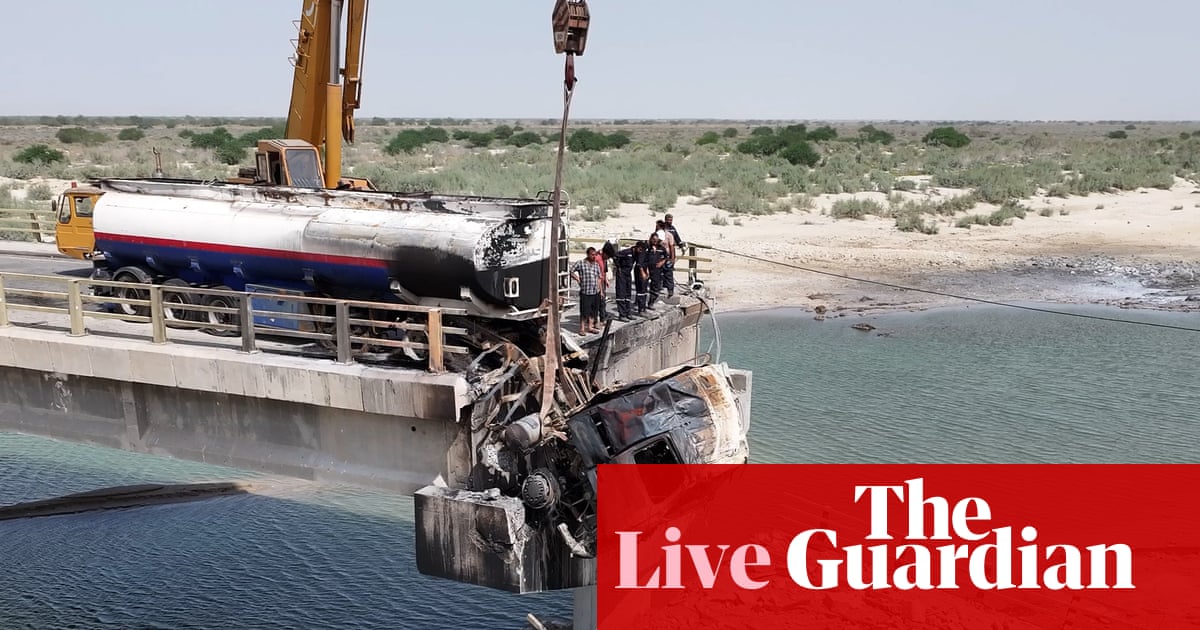
In a potentially positive development, United States President Donald Trump has expressed readiness to grant Ukraine licenses to produce Patriot interceptor missiles domestically. While the details and timeline remain unclear, such a move could significantly bolster Ukraine's long-term defensive capabilities, reducing its reliance on external supplies. However, the immediate challenge of missile shortages persists, and the effectiveness of this future aid will depend on rapid implementation and sustained commitment. Meanwhile, Ukraine continues its own offensive strategies, including striking Russian oil tankers in the Black Sea, aiming to disrupt Russian supply lines to Crimea and exert economic pressure.
Key points
- Russia launched its largest ballistic missile attack on Kyiv since the war began, killing one person and injuring 15.
- The hours-long attacks spanned six districts of Kyiv, damaging residential buildings, offices, and industrial sites.
- Ukraine faces a critical shortage of Patriot air defense missiles, its primary defense against ballistic threats.
- Domestic tensions are high in Ukraine following President Zelenskyy's dismissal of his defense minister, sparking protests.
- The US President has offered to grant Ukraine licenses to produce Patriot interceptor missiles domestically, though details are pending.
The potential offer from the United States to grant Ukraine licenses for domestic Patriot missile production could significantly strengthen its long-term air defense capabilities, reducing reliance on foreign supplies and enhancing its ability to counter future ballistic missile threats.
The severe shortage of Patriot interceptor missiles leaves Ukraine highly vulnerable to continued large-scale ballistic missile attacks, risking more casualties and widespread destruction, while internal political tensions could further complicate its war efforts.
Market signals
- OIL Escalation of conflict and Ukrainian strikes on Russian oil tankers in the Black Sea could disrupt supply routes and increase oil prices.
AI-generated analysis of potential market relevance. Not financial advice.