Russia targets British 17-year-old for alleging digital assets were skirting sanctions
Russia sanctioned Alexander Browder after he alleged a ruble-pegged stablecoin helped evade war-related sanctions. The case centers on A7A5, which the article says has moved more than $110 billion onchain.
Intelligence analysis by GPT-5.4 Mini
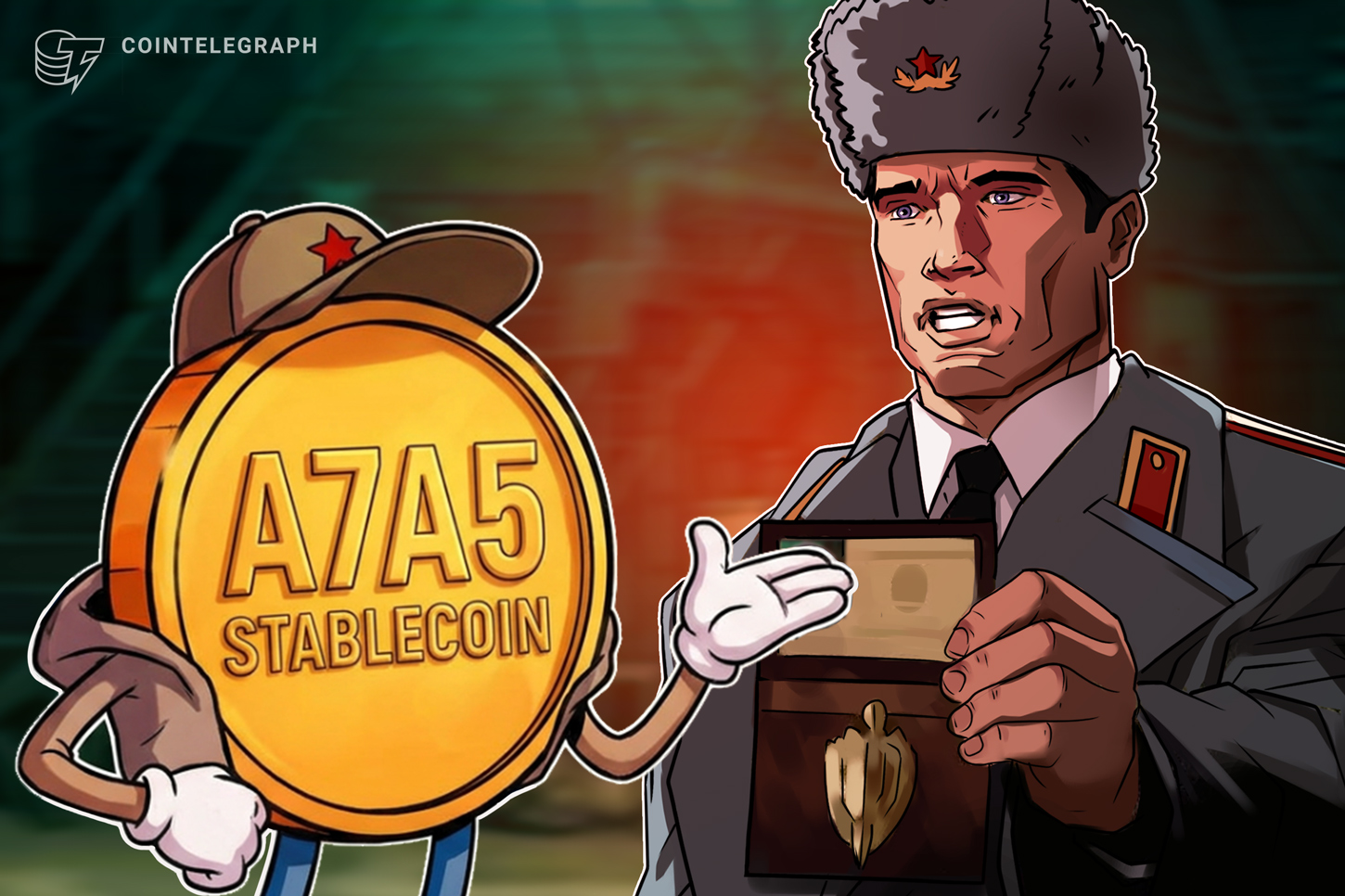
Alexander Browder, 17, says Russia sanctioned him after he published claims that the ruble-pegged A7A5 stablecoin was used to skirt Western sanctions tied to the war in Ukraine. The story ties that dispute to broader pressure on crypto rails and new Russian rules targeting unlicensed digital asset activity.
A teenager said he found proof that a digital coin tied to Russia was helping people dodge sanctions. Russia then punished him for saying that, like blaming a whistleblower for pointing at a broken lock.
Analysis
What happened
Alexander Browder, the son of activist Bill Browder, said Russia targeted him after his March report on the ruble-pegged A7A5 stablecoin. In a post on X, he said his work on the Global Cryptocurrency Laundering Database led to him being sanctioned after he accused Russian officials and institutions of using the token to evade sanctions linked to the war in Ukraine.
The stablecoin at the center
According to the article, Browder’s report said A7A5 was backed by deposits from Russian financial institution Promsvyazban and was being used to help bypass Western restrictions. He argued that the token remains active even though it is sanctioned in the UK, US, and EU. The article also cites a CertiK report saying A7A5 processed more than $110 billion in onchain transactions this week.
Broader regulatory backdrop
The European Union sanctioned A7A5 in October 2025, saying it was intended to bypass war-related financial restrictions on Russia’s economy. Browder said the issue has exposed a weak point: Western pressure on the stablecoin itself may not be enough if exchanges and the jurisdictions that support them still allow conversions into cash.
The article also notes that Russian lawmakers are considering a bill called “On Digital Currency and Digital Rights.” If passed, it could impose criminal penalties for unlicensed crypto services, require registration with the central bank, and potentially ban unlicensed platforms starting in July 2027.
Why this matters
The story connects sanctions policy, stablecoin infrastructure, and cross-border enforcement. It also shows that crypto reporting and crypto compliance can collide directly with state power, especially when the asset in question is tied to a geopolitical conflict.
Key points
- Alexander Browder says Russia sanctioned him after he reported on the ruble-pegged A7A5 stablecoin.
- His March report alleged A7A5 was used to evade Western sanctions tied to Russia's war on Ukraine.
- The article says A7A5 processed more than $110 billion in onchain transactions, according to CertiK.
- The EU sanctioned A7A5 in October 2025, saying it was meant to bypass war-related financial restrictions.
- Russian lawmakers are also considering stricter rules for unlicensed crypto activity and central bank registration.
If the allegations drive more scrutiny of exchanges and conversion points, it could become harder for sanctioned actors to turn stablecoins into spendable money. The article also suggests policymakers may tighten rules around unlicensed crypto services and central bank registration.
If the token continues to operate through available exchanges, sanctions may not stop the flows the article describes. The Russian move against Browder could also discourage reporting and make it harder to surface evidence about crypto-based sanctions evasion.