Russia: Ukraine's attack on Iranian ship in Caspian Sea should be treated as attack on Iran
Russia says Ukraine's strike on a vessel Iran describes as civilian in the Caspian Sea should be considered an attack on Iran itself, as Tehran summons Ukraine's envoy and demands EU accountability.
Intelligence analysis by Llama
Russia and Iran frame a Caspian Sea strike on an Iranian-flagged vessel as an attack on Iran. Ukraine says it targeted Russian ships ferrying military cargo linked to Iran. One Iranian sailor was killed.
Russia and Iran are saying Ukraine attacked an Iranian ship in a big inland sea, which is like a shared backyard. Ukraine says it was actually hitting Russian boats that were carrying weapons for Iran's army. Both sides are giving very different stories about the same boat, and now people are arguing about whose fault it really is.
Analysis
Tehran and Moscow Frame a Single Incident as an Attack on Iran
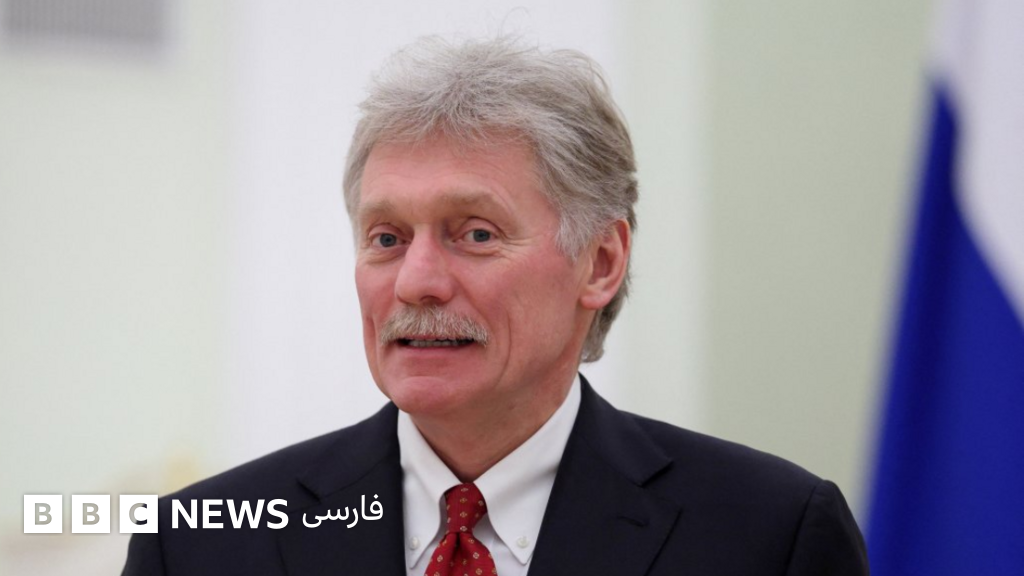
Kremlin spokesman Dmitry Peskov declared that Ukraine's strike on what Iran calls a civilian vessel in the Caspian Sea should be treated as an attack on Iran itself, accusing Kyiv of widening the geographic scope of its "terrorist attacks." The framing matters because it pulls Iran, however reluctantly, into a more direct rhetorical alignment with Moscow's war narrative. Iran's foreign ministry summoned Ukraine's chargé d'affaires in Tehran, and Foreign Minister Araghchi publicly asked the European Union to hold Kyiv accountable — a notable request given that the EU, the UK, and the US have all sanctioned Iranian interests in the Caspian precisely because of Iranian arms transfers to Russia.
Ukraine's Version: Russian Vessels Carrying Military Cargo
Kyiv tells a sharply different story. President Zelensky said on X that Ukraine's long-range strike in the Caspian "achieved very important results," hitting a Russian warship and vessels used to transport military cargo related to Iran. Ukraine's security service identified the targeted cargo ships as Port Olya 2 and Begi. Acting Foreign Minister Andriy Sybiha went further, posting that "Iran has no standing to portray itself as a victim" and that Tehran is "a direct partner in Russia's aggression against Ukraine" by supplying weapons that have killed Ukrainians since 2022. The same day, Ukrainian forces also struck the Filanovsky oil platform operated by Russia's Lukoil in the Caspian, underscoring that Kyiv is expanding its reach into the theater.
A Fragile Caspian Bargain Under Strain
Iran's ambassador to Moscow, Kazem Jalali, told IRNA the struck ship was named "Ana" and was "completely civilian" with no military cargo aboard, contradicting Kyiv's account. The dispute over what the ship was carrying is central, because it determines whether the strike is a legitimate wartime target or an illegal attack on a neutral vessel. After the Soviet collapse, Iran and Russia pushed a framework limiting Caspian shipping to the five littoral states (Iran, Russia, Azerbaijan, Kazakhstan, Turkmenistan) and barring military use against one another — an arrangement now visibly fraying. With Ukrainian drones having already hit Russian naval assets at Kaspiysk in Dagestan last year, the Caspian is no longer a backwater, and Iran's demand for European action puts Brussels in the awkward position of choosing between sanctioning a partner's assailant and acknowledging its own evidence that Iran has been arming Russia.
Key points
- Russia says Ukraine's Caspian strike on an Iranian vessel should be treated as an attack on Iran; one Iranian sailor killed, one wounded.
- Iran summoned Ukraine's chargé d'affaires and asked the EU to hold Kyiv accountable.
- Ukraine says it struck Russian vessels transporting military cargo linked to Iran and also hit a Lukoil oil platform in the Caspian the same day.
- Iran's ambassador in Moscow says the ship, named 'Ana,' was civilian with no military cargo.
- The EU, UK, and US have already sanctioned Iranian Caspian interests over arms sales to Russia.
- The Caspian's five-littoral-state framework, which bars military use against each other, is visibly fraying.
If Iran's account holds and the vessel is verified as civilian, the incident could push Tehran to formally de-escalate with Ukraine and refocus on the Caspian framework that bars military use among the five littoral states. EU pressure on Kyiv, paired with continued sanctions on Iranian arms transfers, might create a narrow diplomatic opening to deconflict Caspian shipping lanes.
If Ukraine's account that the ship carried military cargo for Russia is confirmed, Iran's leverage with the EU and its Caspian partners weakens, and Tehran may retaliate asymmetrically — through proxies, cyber operations, or accelerated arms flows to Moscow. A miscalculation in the enclosed Caspian, where airspace and waters are tightly shared, raises the risk of a direct Iran-Russia-vs-Ukraine confrontation.