Yemen and Saudi Arabia: What lies ahead?
Yemeni attacks on Saudi Aramco facilities send a message that the continuation of the Saudi blockade and aggression will be met with escalating Yemeni retaliation aimed at the pillars of the Saudi economy.
Intelligence analysis by Llama
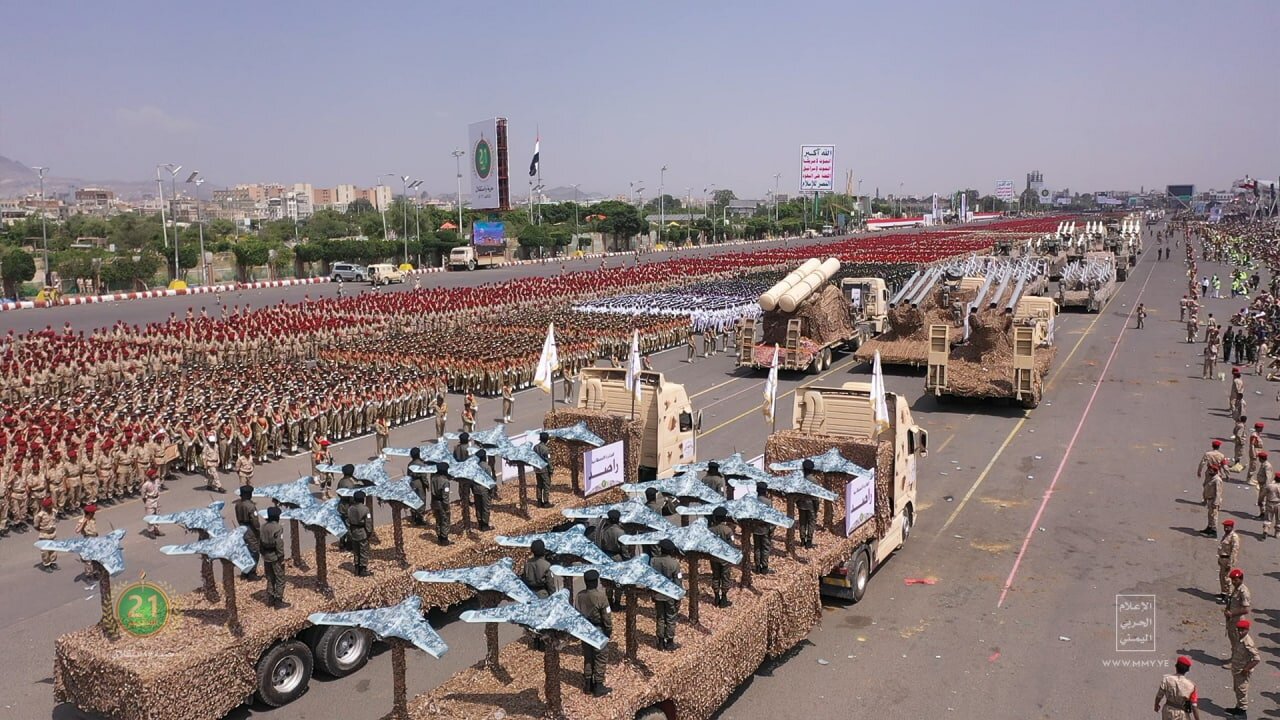
Yemeni Armed Forces (YAF) carried out a military operation targeting Saudi oil facilities in response to Saudi drones violating Yemeni airspace. The operation was part of their response to those incursions and aimed at the pillars of the Saudi economy.
Imagine a country, Yemen, that's been under attack by another country, Saudi Arabia, for over 12 years. The Yemeni people are suffering, and their economy is in shambles. The Yemeni military has decided to fight back by targeting Saudi oil facilities. This is like a big warning sign to Saudi Arabia that they need to stop attacking Yemen and let them have their freedom.
Analysis
A $60B Vote of Confidence
The Yemeni Armed Forces (YAF) have sent a clear message to the Saudi government that the continuation of the Saudi blockade and aggression will be met with escalating Yemeni retaliation aimed at the pillars of the Saudi economy. The YAF's military operation targeting Saudi oil facilities in the eastern province is a significant escalation of the conflict. The operation was carried out in response to Saudi drones violating Yemeni airspace, and it is part of their response to those incursions.
Why Cursor?
The YAF's statement carried several key messages, foremost among them that the maritime blockade imposed on shipping linked to the Saudi government will remain in effect until the blockade on Yemen is lifted. This underscores the failure of Saudi attempts at deterrence. The Sanaa government has also strongly hinted at broadening the response, a decision that will depend on developments in the coming 'hours and days'.
The Road Ahead
The Yemeni operations, with their tactical messages and strategic impact, are presented as serving to advance the peace process. They are intended to pressure the Saudi government into fulfilling humanitarian obligations and recognizing Yemen's full sovereignty. These are, from Sanaa's perspective, legitimate entitlements that do not infringe upon Saudi sovereignty. It would have been wiser and more prudent for the Saudi government to respond to Yemeni calls and equitable proposals, as doing so would have been far less costly than the political, economic, and broader consequences of continued delay and confrontation.
Key points
- Yemeni Armed Forces (YAF) carried out a military operation targeting Saudi oil facilities in response to Saudi drones violating Yemeni airspace.
- The operation was part of their response to those incursions and aimed at the pillars of the Saudi economy.
- The YAF's statement carried several key messages, including the failure of Saudi attempts at deterrence and the intention to broaden the response.
- The Yemeni operations are presented as serving to advance the peace process and pressure the Saudi government into fulfilling humanitarian obligations and recognizing Yemen's full sovereignty.
If the Saudi government responds to Yemen's calls for peace and lifts the blockade, it could lead to a significant reduction in violence and a chance for Yemen to rebuild its economy. This could also lead to a more stable region and a chance for Yemen to become a more prosperous country.
If the Saudi government continues to ignore Yemen's calls for peace and maintains the blockade, it could lead to further escalation of the conflict. This could result in more suffering for the Yemeni people, more economic damage, and a more unstable region.
Market signals
- Crude Oil The escalation of the conflict between Yemen and Saudi Arabia could lead to a disruption in oil supplies and a rise in oil prices.
AI-generated analysis of potential market relevance. Not financial advice.