Sajjan Kumar dies: What Nanavati Commission said about his role in 1984 riots
Sajjan Kumar, a former Congress MP, died while serving a life sentence for a 1984 anti-Sikh riots case. The Nanavati Commission report found credible material suggesting his involvement in attacks in parts of Delhi.
Intelligence analysis by Llama
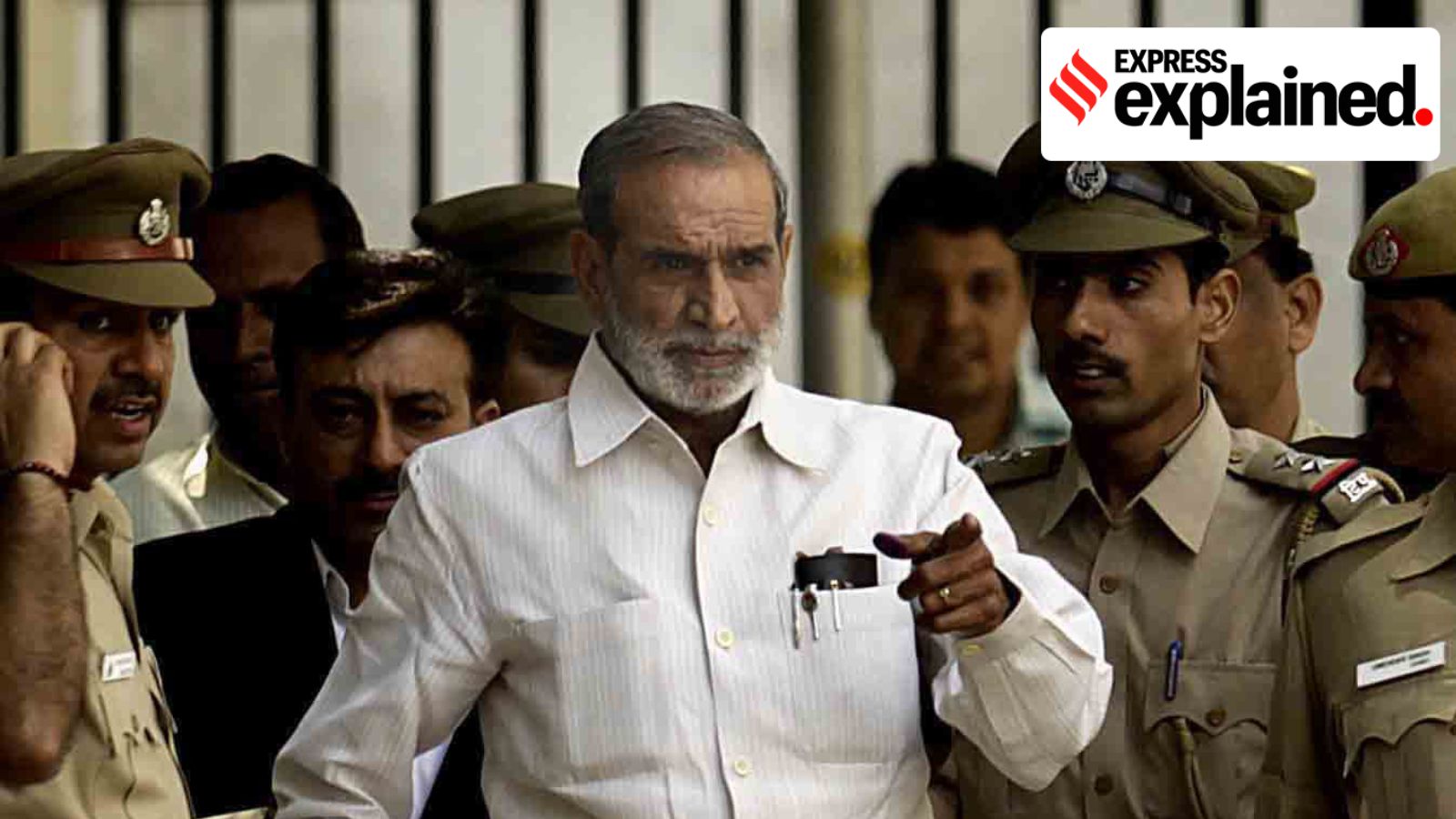
The Nanavati Commission report recorded credible material against Sajjan Kumar, concluding that he was probably involved in the attacks described by several witnesses. The commission's finding was based on affidavits, police records, and testimony concerning attacks on Sikhs and their properties across Delhi.
Sajjan Kumar, a former Congress MP, was involved in the 1984 anti-Sikh riots. He was convicted of murder and died while serving his life sentence. The Nanavati Commission report found credible material suggesting his involvement in attacks in parts of Delhi.
Analysis
Sajjan Kumar's Involvement in the 1984 Anti-Sikh Riots
The Nanavati Commission report examined the role of Sajjan Kumar, a former Congress MP, in the 1984 anti-Sikh riots. The report found credible material suggesting his involvement in attacks in parts of Delhi. Kumar was convicted in February 2025 by a Delhi court for the murders of Jaswant Singh and his son Tarundeep Singh in Saraswati Vihar on November 1, 1984.
The commission's finding was based on affidavits, police records, and testimony concerning attacks on Sikhs and their properties across Delhi. It offered one of the most detailed official accounts of allegations against Kumar, describing him as a powerful local Congress leader who was allegedly present at, addressed or directed mobs in parts of west Delhi, including Palam Colony, Raj Nagar, Mangolpuri and Sultanpuri.
A key witness, Jagdish Kaur of Raj Nagar, told the commission that she heard Kumar tell people gathered near Mandir Mangla Puri: “Sardar saala koi nahi bachna chahida (no Sikh should be spared)”. The commission also recorded evidence that Kumar addressed a crowd in Mangolpuri and said Sikhs had killed “their Maata”, after which people raised slogans calling for Sikhs to be killed.
The report said three Sikh men were subsequently burnt alive in an attack on a gurdwara in the locality. In its assessment of Kumar’s role, it said: “Many witnesses have stated about the involvement of S/Shri Sajjan Kumar, Balwan Khokar, Pratap Singh, Maha Singh and Mohinder Singh.” Its final conclusion on Kumar and Balwan Khokhar was: “The Commission is, therefore, inclined to take the view that there is credible material against Shri Sajjan Kumar and Shri Balwan Khokhar for recording a finding that he and Shri Balwan Khokhar were probably involved as alleged by the witnesses.”
The Commission's Recommendations
The commission did not merely rely only on allegations but considered evidence of mobs moving through neighbourhoods, the availability of petrol and kerosene, the use of buses to transport people and the involvement of local Congress workers. The commission recommended that authorities examine cases in which Kumar had been named by witnesses but had not been chargesheeted, or cases that had been closed as untraced.
The Significance of the Report
The Nanavati Commission report is significant as it highlights the role of local Congress leaders in the 1984 anti-Sikh riots and the failure of the authorities to investigate them. The report's findings have shed light on the involvement of Sajjan Kumar and other Congress leaders in the violence, and have raised questions about the accountability of those responsible for the riots.
Key points
- Sajjan Kumar, a former Congress MP, died while serving a life sentence for a 1984 anti-Sikh riots case.
- The Nanavati Commission report found credible material suggesting his involvement in attacks in parts of Delhi.
- The report recommended that authorities examine cases in which Kumar had been named by witnesses but had not been chargesheeted, or cases that had been closed as untraced.
- The report's findings may lead to greater accountability for those responsible for the 1984 anti-Sikh riots, and may bring closure to the families of the victims.
The report's findings may lead to greater accountability for those responsible for the 1984 anti-Sikh riots, and may bring closure to the families of the victims.
The report's findings may also highlight the failure of the authorities to investigate the riots, and may raise questions about the accountability of those responsible.