Salaried Class Paid Rs. 600 bn, Landlords Less than Rs. 10bn in Taxes: Asad Umar
Former finance minister Asad Umar has criticized the government's economic policies, highlighting weak economic growth, persistent inflation, and rising poverty. He also pointed out an imbalance in the country's tax system, where the salaried class contributed more than R…
Intelligence analysis by Llama
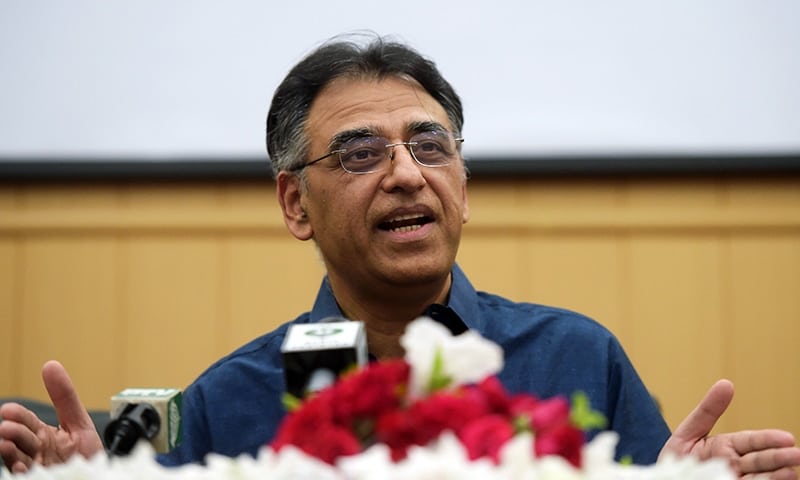
Former finance minister Asad Umar has criticized the government's economic policies, highlighting weak economic growth, persistent inflation, and rising poverty. He also pointed out an imbalance in the country's tax system, where the salaried class contributed more than Rs. 600 billion in taxes, while landlords and wealthy landowners contributed less than Rs. 10 billion.
Imagine you're trying to save money for a big goal, but someone else is taking most of the money you earn. That's kind of what's happening in Pakistan's economy, where people who work for a salary are paying a lot more taxes than people who own a lot of land. This is making it hard for people to afford basic things like food and housing.
Analysis
Taxation Imbalance in Pakistan's Economy
Former finance minister Asad Umar has strongly criticized the government's economic policies, describing the past four years as a particularly challenging period for Pakistan's economy. He argued that weak economic growth, persistent inflation, and rising poverty have placed a growing financial burden on ordinary citizens and significantly reduced their purchasing power.
According to Umar, the country's tax system is heavily skewed in favor of the salaried class, who contributed more than Rs. 600 billion in taxes during the previous year. In contrast, landlords, feudal families, and wealthy landowners across the four provinces collectively contributed less than Rs. 10 billion. This imbalance raises questions about the fairness and effectiveness of the existing taxation structure.
Energy Costs and Living Expenses
Umar also criticized the increase in petroleum levies, pointing out that the levy imposed on petrol had risen from Rs. 50 to Rs. 117 per litre. He argued that higher levies and energy-related costs have added further pressure on households already struggling with increased living expenses.
Sustainable Economic Benefits
The former finance minister also questioned the government's broader energy strategy, particularly plans to develop additional power projects. He raised concerns over whether the proposed projects would provide sustainable economic benefits and address the country's long-term energy challenges.
Conclusion
Asad Umar's remarks come amid continued debate over Pakistan's economic direction, taxation policies, energy costs, and the distribution of the tax burden among different sections of society. His criticism highlights the need for reform and greater transparency in Pakistan's economy.
Key points
- Former finance minister Asad Umar has criticized the government's economic policies, highlighting weak economic growth, persistent inflation, and rising poverty.
- The country's tax system is heavily skewed in favor of the salaried class, who contributed more than Rs. 600 billion in taxes during the previous year.
- Landlords, feudal families, and wealthy landowners across the four provinces collectively contributed less than Rs. 10 billion in taxes.
- Higher levies and energy-related costs have added further pressure on households already struggling with increased living expenses.
- The government's broader energy strategy, particularly plans to develop additional power projects, has been questioned by Umar.
If the government addresses the taxation imbalance and implements policies to reduce energy costs, it could lead to increased economic growth and improved living standards for ordinary citizens.
If the government fails to address the taxation imbalance and continues to prioritize the interests of wealthy landowners, it could lead to further economic instability and reduced purchasing power for ordinary citizens.