Saudi Arabia did not agree to Iranian pilgrims using Taif Airport
Saudi Arabia rejected Iran's request to use Taif Airport for returning pilgrims, so all return flights will go via Jeddah.
Intelligence analysis by GPT-5.4 Mini
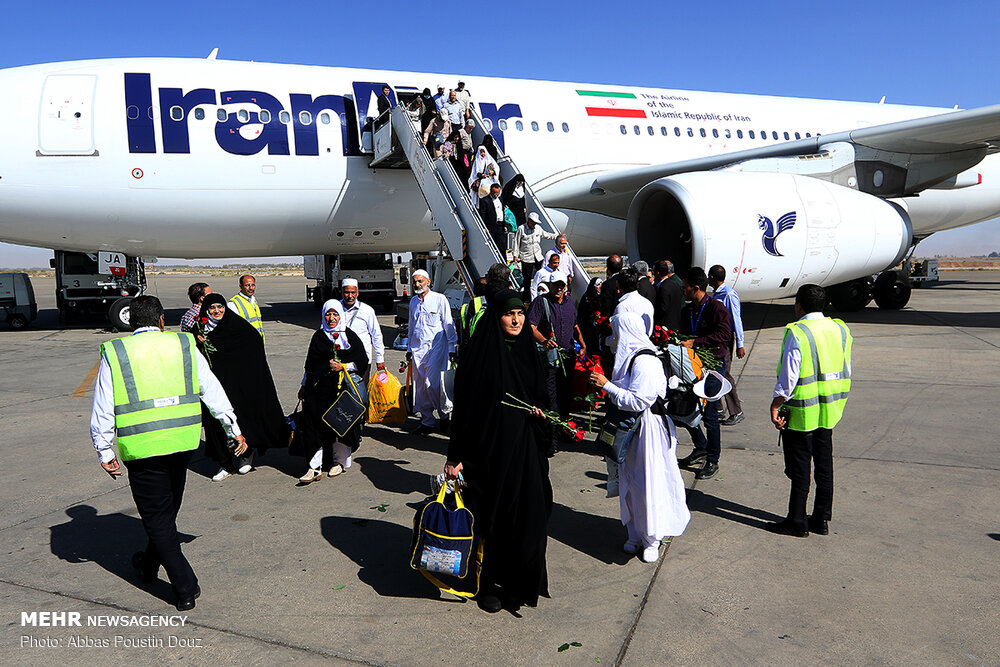
Iranian Hajj pilgrims say Saudi Arabia turned down a plan to route their return through Taif Airport, even though it is closer to Mecca and would have shortened part of the land trip. The return operation will instead rely entirely on Jeddah.
Iran wanted its pilgrims to come home through a shorter airport route, like choosing the closer road home after a trip. Saudi Arabia said no, so the pilgrims must use a longer route through Jeddah instead.
Analysis
What happened
Mehr reports that Saudi Arabia did not agree to let Iranian pilgrims return through Taif Airport this year. The airport is described as being closer to Mecca, so using it could have shortened part of the pilgrims' overland route.
What this changes
Because the Taif option was rejected, the return flights for Iranian pilgrims will be handled entirely through Jeddah Airport. The article says there will be an average of 12 pilgrim flights to Iran each day, and only one flight from Medina to Tehran on the final day of returns, June 14, because the last groups are being dispatched late in the Hajj period.
Why Saudi officials may have declined
A commentator familiar with Hajj affairs told local Iranian media that the decision may have been related to Taif's proximity to military centers in Saudi Arabia. That explanation is presented as a possibility, not a confirmed official reason.
Broader context
The story is less about a major policy shift than about the practical terms under which Iranian pilgrims are moved during Hajj. Even so, it shows that transportation arrangements remain tightly controlled and can be affected by security concerns as well as diplomatic coordination between the two countries.
Key points
- Saudi Arabia did not approve Iran's request to use Taif Airport for returning pilgrims.
- Taif is closer to Mecca and would have reduced part of the land travel.
- All return flights for Iranian pilgrims will go through Jeddah Airport.
- The article says the Taif rejection may be linked to its proximity to military centers.
- Only one flight from Medina to Tehran is scheduled on the final return day, June 14.
If the return flights run smoothly through Jeddah, Iranian pilgrims can still complete the trip home on schedule. The article also suggests there is an established daily flight pattern, which could help keep the return process orderly.
Rejecting the Taif option leaves pilgrims with a longer land route, which may add time and fatigue to the return journey. The decision may also reflect security sensitivity around Taif, which could limit flexibility in future Hajj logistics.