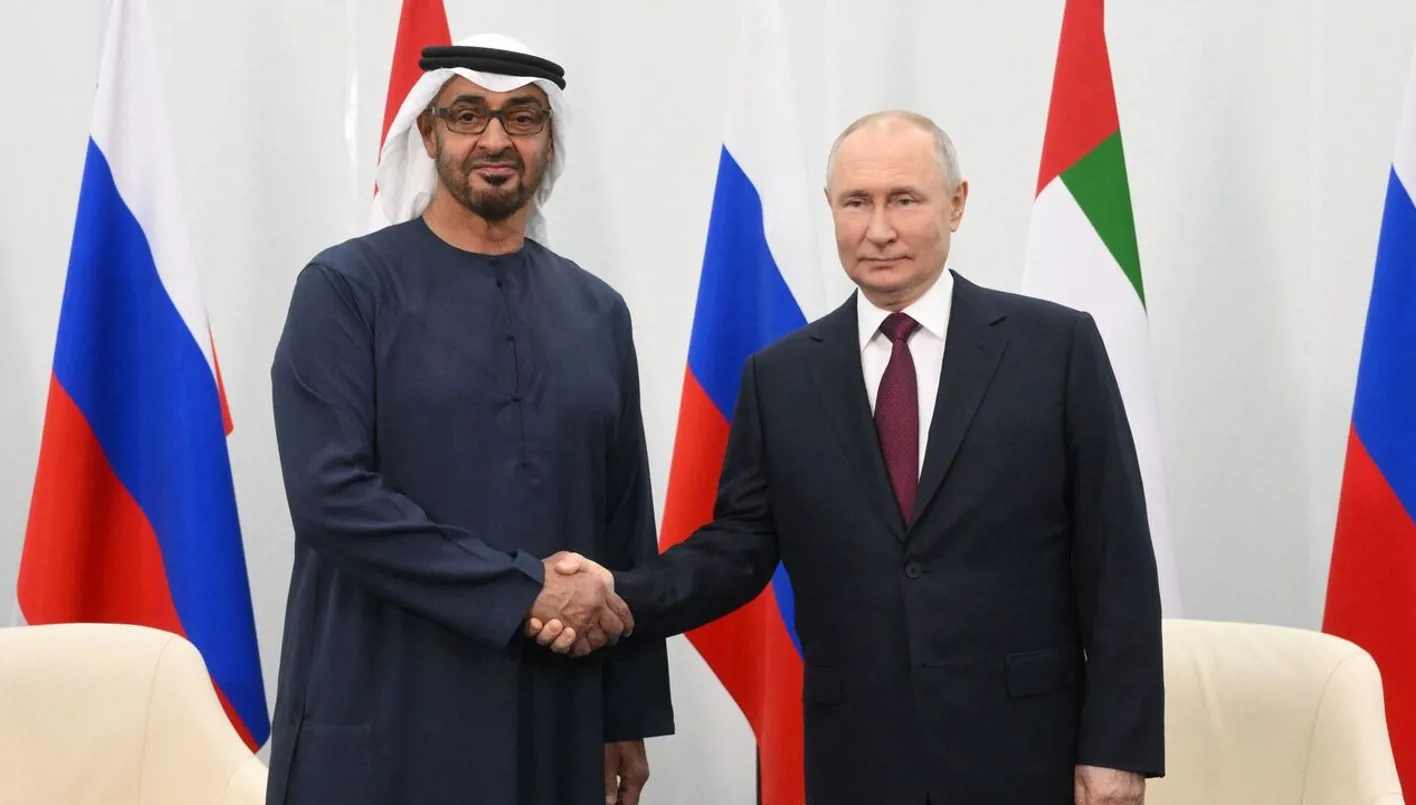
Saudi Arabia, Turkey and Pakistan sign joint defense agreement
Saudi Arabia, Turkey and Pakistan signed a joint defense agreement in Mecca, committing the three countries to collective defense against the backdrop of the Iran conflict.
Intelligence analysis by Llama
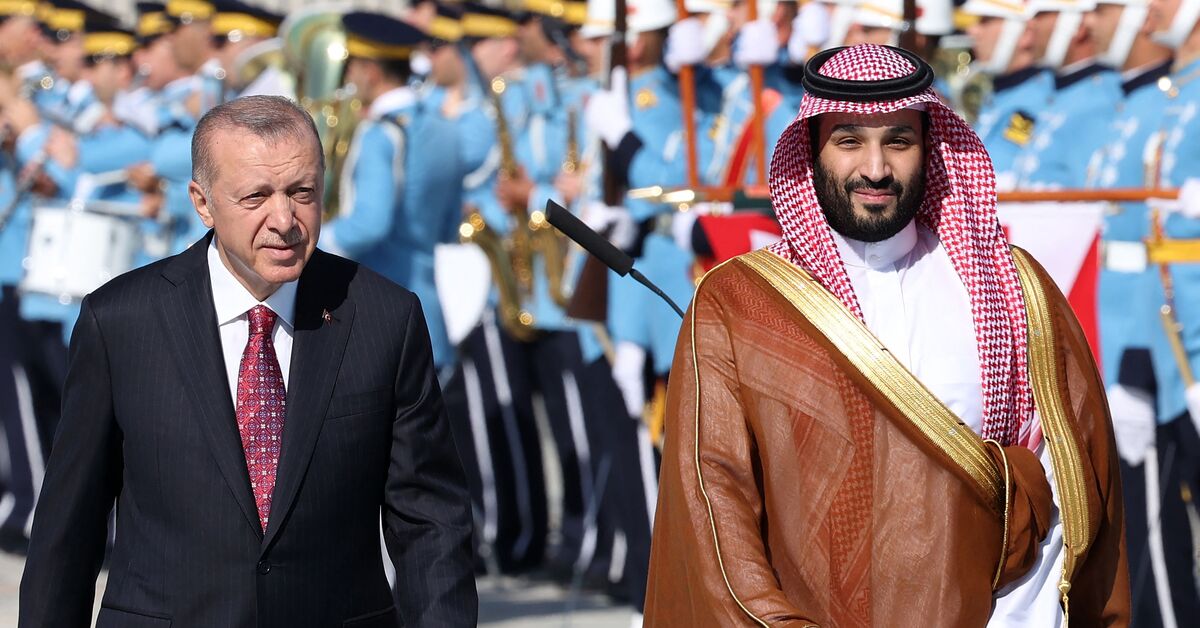
The agreement marks the first time the region's leading Sunni powers have signed a formal military pact, with an attack on any of the three states being regarded as an attack on them all.
Imagine three friends - Turkey, Saudi Arabia, and Pakistan - who promise to help each other if someone attacks one of them. This is like a big promise to be friends and protect each other, especially in a region where there are a lot of conflicts and disagreements.
Analysis
Turkey's Role in the Agreement
The agreement signed by Turkey, Saudi Arabia and Pakistan is a significant development in regional security. Turkey, a NATO member, has the alliance's second-largest standing army, and its involvement in the agreement underscores the importance of its military capabilities in the region. The agreement also highlights the growing strategic partnership between Turkey and Saudi Arabia, which has been strengthened in recent years through various diplomatic and economic initiatives.
Iran's Influence
The agreement is widely seen as a response to Iran's growing influence in the region. Iran's support for Shia militias in Iraq and its involvement in the Syrian civil war have raised concerns among Sunni states, which have sought to counterbalance Iran's influence through various means, including military alliances. The agreement between Turkey, Saudi Arabia and Pakistan is a significant development in this context, as it commits the three countries to collective defense against any attack.
Implications for Regional Security
The agreement has significant implications for regional security, as it commits the three countries to collective defense against any attack. This has been interpreted as a response to Iran's growing influence in the region, and it is likely to be seen as a threat by Iran and its allies. The agreement also highlights the growing strategic partnership between Turkey and Saudi Arabia, which has been strengthened in recent years through various diplomatic and economic initiatives.
Israel's Reaction
The agreement is also likely to be seen as a threat by Israel, which has steadily deteriorating ties with Turkey. Israel has been concerned about Turkey's growing involvement in regional conflicts, and the agreement is likely to exacerbate tensions between the two countries.
Key points
- Turkey, Saudi Arabia and Pakistan signed a joint defense agreement in Mecca.
- The agreement commits the three countries to collective defense against any attack.
- The agreement is widely seen as a response to Iran's growing influence in the region.
- The agreement has significant implications for regional security and the balance of power in the Middle East.
The agreement could lead to increased stability and security in the region, as the three countries work together to counterbalance Iran's influence. It could also lead to increased economic cooperation and trade between the three countries, as they work together to address regional challenges.
The agreement could lead to increased tensions with Iran and its allies, which could result in a regional conflict. It could also lead to increased instability in the region, as the three countries work to counterbalance Iran's influence.