Saudi Arabia's new education law: Co-education allowed in private institutions
Saudi Arabia has approved a new General Education Law, introducing significant reforms to its K-12 education system. The law establishes a comprehensive legal framework governing public education and aims to align the education sector with the objectives of Vision 2030.
Intelligence analysis by Llama
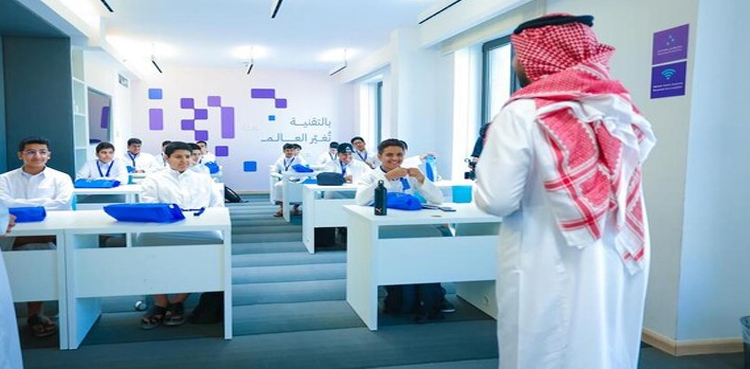
Saudi Arabia's new education law allows co-education in private institutions, establishes a comprehensive legal framework for public education, and aims to align the education sector with the objectives of Vision 2030.
Saudi Arabia has a new education law that allows boys and girls to go to school together in private schools. The law also makes sure that schools help students with disabilities and that teachers are trained to teach students with special needs. This is a big change that will help make education better for everyone in Saudi Arabia.
Analysis
A New Era for Education in Saudi Arabia
The approval of the new General Education Law marks a significant milestone in the development of Saudi Arabia's education sector. The law establishes a comprehensive legal framework governing public education from nursery through Grade 12 and aims to align the education sector with the objectives of Vision 2030. This reform is a crucial step towards creating a more inclusive and effective education system that prepares students for the challenges of the 21st century.
Co-education in Private Institutions
One of the key features of the new law is the allowance of co-education in private institutions. This change is significant, as it reflects a shift towards greater flexibility and inclusivity in the education system. However, it is worth noting that the separation of boys' and girls' schools remains a requirement in public education after the early childhood stage.
Strengthening Support for Students with Disabilities
The new law also strengthens support for students with disabilities by requiring schools to provide appropriate educational services, assistive technologies, and assessment methods tailored to individual needs. This is a crucial step towards creating a more inclusive education system that caters to the diverse needs of all students.
New Quality Standards for Private Schools
Private schools will face stricter quality assurance requirements under the new law. Educational institutions will be required to obtain accreditation from the Education and Training Evaluation Commission or another internationally recognised accreditation body approved by Saudi Arabia. This change is aimed at ensuring that private schools meet high standards of quality and provide students with a world-class education.
Key points
- Saudi Arabia has approved a new General Education Law that introduces significant reforms to its K-12 education system.
- The law allows co-education in private institutions, but maintains the separation of boys' and girls' schools in public education after the early childhood stage.
- The law strengthens support for students with disabilities by requiring schools to provide appropriate educational services and assistive technologies.
- Private schools will face stricter quality assurance requirements under the new law.
- The law aims to align the education sector with the objectives of Vision 2030.
The new education law has the potential to improve the quality of education in Saudi Arabia, particularly in terms of co-education and support for students with disabilities. If implemented effectively, this law could lead to a more inclusive and effective education system that prepares students for the challenges of the 21st century.
The new education law may face challenges in terms of implementation, particularly in terms of ensuring that private schools meet high standards of quality. Additionally, there may be concerns about the impact of co-education on traditional values and social norms in Saudi Arabia.