Saudi-led coalition forms naval alliance to protect shipping in Red Sea
Saudi Arabia has announced the formation of a naval alliance with 13 other countries to protect shipping in the Red Sea, amid rising tensions and threats to maritime trade in the region.
Intelligence analysis by Llama
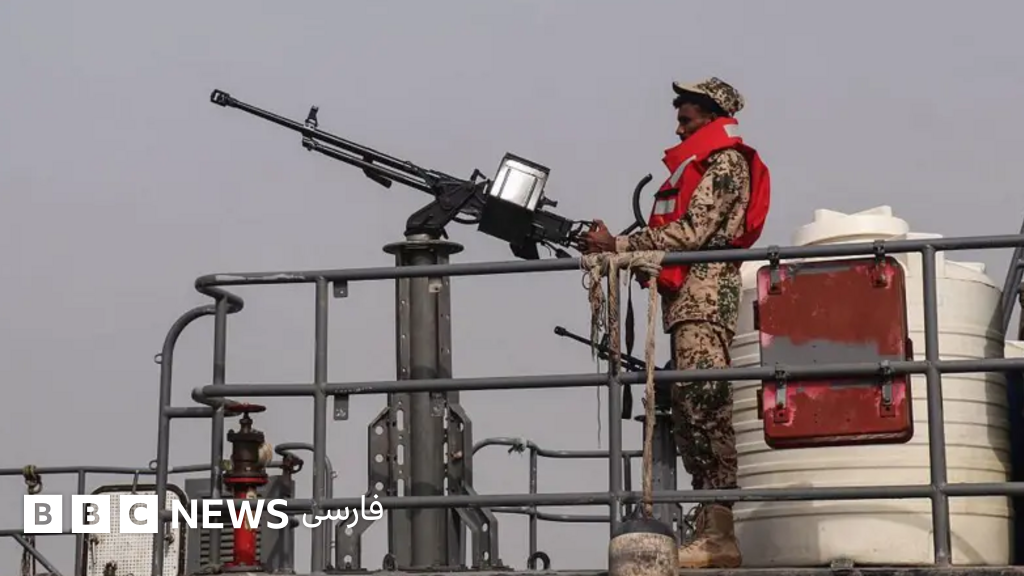
The Saudi-led coalition aims to safeguard freedom of navigation, ensure the security of trade routes, and counter threats to maritime interests in the Red Sea, the Bab-el-Mandeb Strait, and the Gulf of Aden. The alliance has been formed in response to the increasing risks to maritime trade in the region, including attacks on ships and oil facilities by Houthi rebels in Yemen.
Imagine you're on a ship sailing through the Red Sea. There are many countries and groups that want to protect the ships and the trade routes in this area. They're forming a team, called the Saudi-led naval alliance, to work together and keep the ships safe from threats like attacks and piracy.
Analysis
What is the Saudi-led naval alliance?
The Saudi-led naval alliance is a defense coalition formed by Saudi Arabia and 13 other countries to protect shipping in the Red Sea, the Bab-el-Mandeb Strait, and the Gulf of Aden. The alliance aims to safeguard freedom of navigation, ensure the security of trade routes, and counter threats to maritime interests in the region.
Why was the alliance formed?
The alliance was formed in response to the increasing risks to maritime trade in the region, including attacks on ships and oil facilities by Houthi rebels in Yemen. The Houthi rebels have threatened to disrupt maritime traffic in the Bab-el-Mandeb Strait, which is a critical waterway for international trade.
What are the implications of the alliance?
The formation of the naval alliance has significant implications for the region. It marks a new effort by regional countries to take a more active role in protecting their maritime interests and ensuring the security of trade routes in the Red Sea and the Gulf of Aden. The alliance also highlights the growing concern about the security of maritime trade in the region and the need for collective action to address the threats.
What are the next steps for the alliance?
The next steps for the alliance will depend on the specific goals and objectives of the member countries. However, it is likely that the alliance will focus on enhancing maritime security, improving cooperation among member countries, and developing a common strategy to address the threats to maritime trade in the region.
Key points
- Saudi Arabia has formed a naval alliance with 13 other countries to protect shipping in the Red Sea, the Bab-el-Mandeb Strait, and the Gulf of Aden.
- The alliance aims to safeguard freedom of navigation, ensure the security of trade routes, and counter threats to maritime interests in the region.
- The alliance was formed in response to the increasing risks to maritime trade in the region, including attacks on ships and oil facilities by Houthi rebels in Yemen.
- The formation of the naval alliance has significant implications for the region, marking a new effort by regional countries to take a more active role in protecting their maritime interests and ensuring the security of trade routes in the Red Sea and the Gulf of Aden.
The formation of the Saudi-led naval alliance could lead to improved maritime security in the Red Sea and the Gulf of Aden, reducing the risks to shipping and trade. This could also lead to increased cooperation among regional countries and improved relations between them.
The alliance may not be effective in addressing the threats to maritime trade in the region, particularly if the member countries do not work together effectively or if the alliance is not well-resourced. Additionally, the alliance may not address the root causes of the threats, such as the conflict in Yemen, which could continue to pose a risk to maritime trade.