Scam losses in Singapore drop to $410m in 2026; 8 in 10 victims voluntarily handed money to scammers
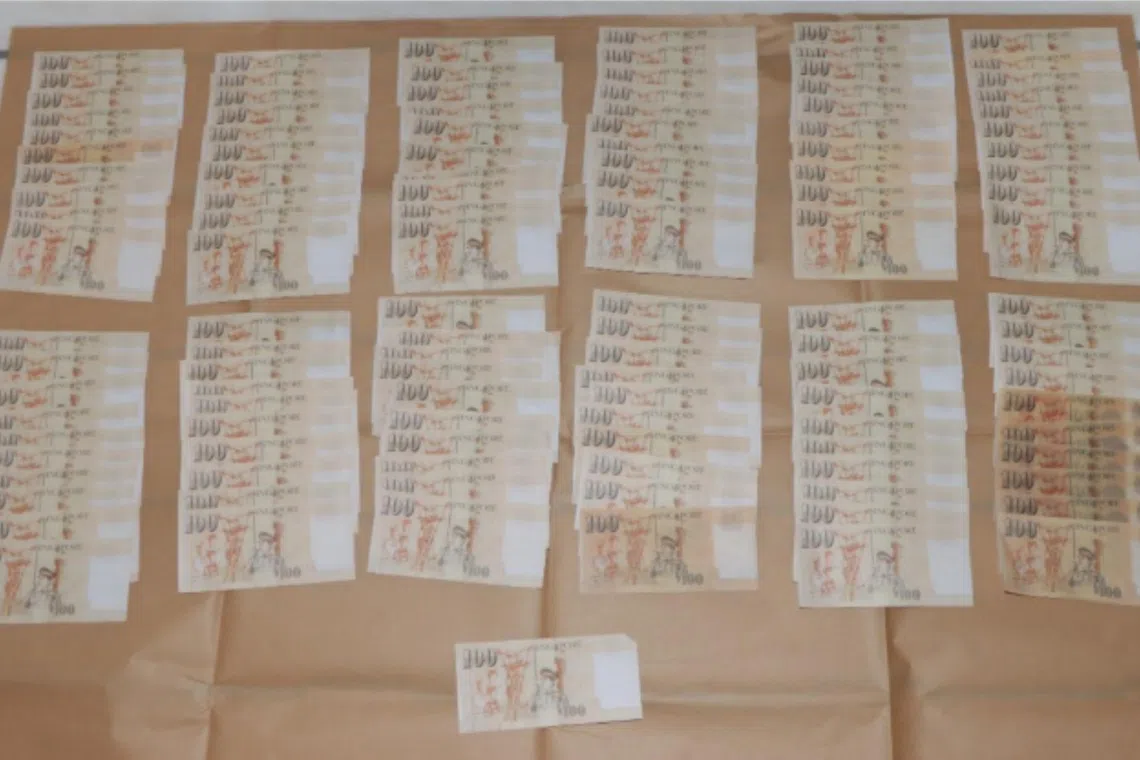
Scam losses in Singapore fell to $410.6 million in the first half of 2026, from over $500 million during the same period in 2025. The authorities recovered over $97 million and issued restriction orders to limit transaction capabilities of stubborn scam victims.
Intelligence analysis by Llama
Singapore has seen a drop in scam losses, with $410.6 million lost in the first half of 2026, down from $500 million in the same period last year. The authorities have recovered over $97 million and issued restriction orders to limit transaction capabilities of stubborn scam victims.
Imagine someone is trying to trick you into giving them money by pretending to be someone you trust, like a government official or a friend. This is called a scam. In Singapore, there have been many scams where people lost a lot of money. The police are trying to stop these scams by working with companies like Apple and Google to make it harder for scammers to reach people. But even with these efforts, many people are still getting tricked into giving their money away.
Analysis
Scam Situation in Singapore Improves in 2026
The scam situation in Singapore has continued to improve since 2025, with losses dropping to $410.6 million in the first six months of 2026. This is a significant decrease from the $500.2 million lost during the same period in 2025, and the $913.1 million lost in 2025 as a whole.
The authorities have been working to prevent and block scammers from reaching victims by directing Apple, Google, and Meta to implement anti-scam measures on their platforms. In the first half of 2026, they disrupted over 47,000 scam-related mobile lines, 37,500 WhatsApp lines, 31,600 online monikers, and 52,200 malicious websites.
Despite these efforts, eight in 10 victims were still being manipulated into handing their money to scammers. This showed that instead of gaining direct control of bank accounts, scammers were using social engineering to deceive victims into voluntarily making transactions.
The police said the number of scam cases fell by around 14 per cent from 19,644 cases in the first half of 2025 to 16,821 during the same period in 2026. The police previously said victims lost over $456.4 million in the first six months of 2025, but this figure increased to $500.2 million due to the reclassification of cases.
Singapore has lost more than $4 billion to scams since 2019. Despite the improving situation in 2026, the police warned that scams remain the dominant crime type in Singapore, noting that elderly victims had the highest average losses across all age groups.
Elderly Victims Most Affected
The elderly, aged 65 and above, made up 14.4 per cent of scam victims, with the average amount lost per victim at $42,347. The police said most of these victims fell prey to government officials impersonation and investment scams.
E-commerce Scams Most Common
E-commerce was the most common scam type, with 3,865 cases in the first half of 2026 and losses of over $8 million. Cases involving Pokemon trading cards surged from 279 cases in the first half of 2025 to 605 cases during the same period in 2026. A total of $1.2 million was lost to Pokemon card scams in the first half of 2026, up from the $472,000 lost in the first six months of 2025.
Investment Scams Record Highest Losses
Investment scams were the third most common scam type in the first half of 2026, with 2,256 cases reported and $169.8 million lost. The average amount lost to this scam type was around $75,000. Investment scams recorded the highest amount lost among all scam types in the first six months of 2026.
New Trend in Investment Scams
The police said they observed a new trend where scammers would impersonate entities like the National University of Singapore and digital brokerage Moomoo to lend credibility to their ruse. Scammers would then post online advertisements offering free investment tips or strategies. Victims would be invited into WhatsApp chat groups masquerading as investment learning communities. Scammers posing as mentors would then provide seemingly reliable investment tips and stock picks. Other scammers posing as members would attest to the “good advice” given by these fake mentors, further enticing victims to invest.
Key points
- Scam losses in Singapore dropped to $410.6 million in the first half of 2026, from over $500 million during the same period in 2025.
- The authorities recovered over $97 million and issued restriction orders to limit transaction capabilities of stubborn scam victims.
- E-commerce was the most common scam type, with 3,865 cases in the first half of 2026 and losses of over $8 million.
- Investment scams recorded the highest amount lost among all scam types in the first six months of 2026, with $169.8 million lost.
- The police observed a new trend where scammers would impersonate entities like the National University of Singapore and digital brokerage Moomoo to lend credibility to their ruse.
The drop in scam losses is a positive trend, and the authorities' efforts to prevent and block scammers from reaching victims are showing results. With continued vigilance and cooperation from tech companies, it's possible that scam losses will continue to decline.
Despite the improving situation, scams remain the dominant crime type in Singapore, and elderly victims are still being targeted. The police warn that scams can be sophisticated and difficult to detect, and victims may still lose significant amounts of money.