Scammers make $400K through fake Uniswap ads on Google
Fake Google ads impersonating Uniswap have reportedly helped phishing scammers steal at least $400,000 from crypto users.
Intelligence analysis by GPT-5.4 Mini
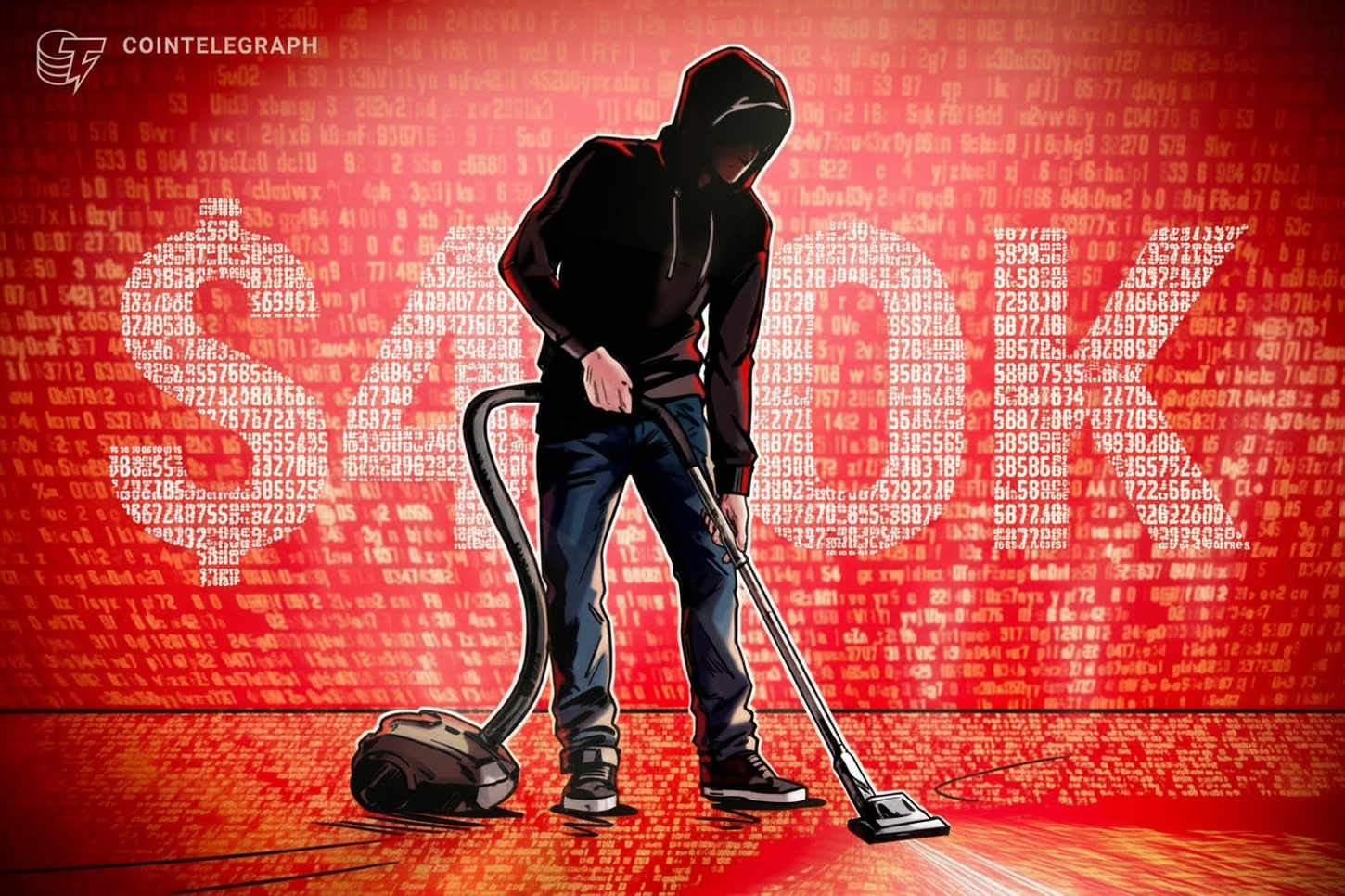
A blockchain analyst says fake Uniswap ads on Google Search are being used to drain wallets, with attackers reportedly holding at least $400,000. The story ties the scam to a wider pattern of malvertising that has already cost crypto users millions.
A thief put fake signs on a busy road so people would walk into the wrong store. In this case, the “road” is Google search, and the “store” is a fake copy of Uniswap.
When people clicked the wrong ad and connected their crypto wallet, the thief could take the money. It worked like a fake front door with a hidden trap behind it.
The lesson is simple: even shiny ads can be tricks. In crypto, checking the real website name matters a lot, because one wrong click can empty a wallet.
Analysis
What happened
A blockchain analyst known as “b-block” said malicious Google Search ads were impersonating Uniswap and steering users to phishing sites that drained wallets. According to the article, the scammers were holding at least $400,000 from the campaign.
Stacy Muur, who founded the Web3 marketing agency Green Dots, said the attackers stole funds through a phishing ad on Google that copied Uniswap branding. The article includes her criticism that Google has let fake links keep appearing above legitimate results while users keep losing funds.
What the article says about the technique
The piece says the fraud works by placing convincing ads in the sponsored section, sometimes by paying Google directly or by compromising legitimate advertiser accounts. SEAL, a crypto security group, says attackers use legitimate-looking URLs to get through automated checks, then hide the malicious part in a secondary iframe. Victims are sent to clones of real crypto apps, while network traffic is routed through attacker-controlled servers.
Scale and context
The article cites Etherscan data showing the two flagged addresses held about 146 ETH, or roughly $306,000 at the time. It also cites SEAL’s April report that there was a significant rise in phishing on Google Search in March, with over 356 malicious ad links blocked. SEAL said the March 13 to 30 window alone saw $1.27 million stolen.
The story frames this as part of a broader malvertising problem, noting similar campaigns on Google Ads and Facebook that target crypto users and credentials.
Key points
- Scammers used fake Google ads to impersonate Uniswap and steal crypto from users.
- The article says the attackers were holding at least $400,000 from the campaign.
- SEAL says phishing ads on Google have been a steady problem for more than a year.
- The technique uses convincing URLs and hidden code to evade automated checks.
- The piece places the scam in a wider malvertising trend across Google and Facebook.