Scammers Use AI to Track Your Vacation Photos: How They Turn Them into Bait
Scammers use AI to track your vacation photos and turn them into bait for financial information. They can identify your location from the photos, making the scam more convincing. To protect yourself, wait until you return home before posting photos, and be cautious of urg…
Intelligence analysis by Llama
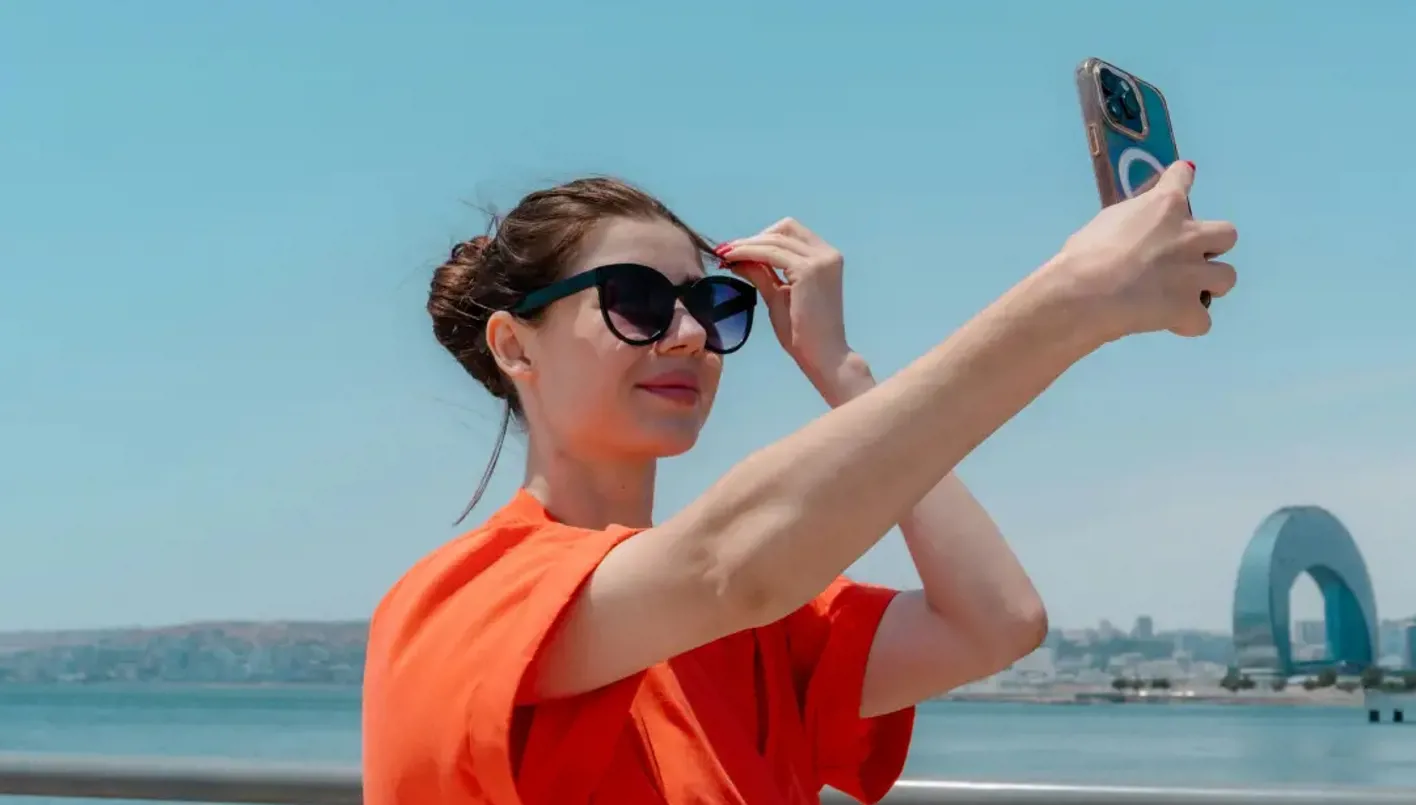
Scammers use AI to track your vacation photos and turn them into bait for financial information. They can identify your location from the photos, making the scam more convincing. To protect yourself, wait until you return home before posting photos, and be cautious of urgent messages asking for your financial information.
Imagine you're on vacation and you post some photos on social media. Scammers can use special computer programs to look at those photos and figure out where you are. They can then send you a message that looks like it's from your bank or hotel, asking for your financial information. To stay safe, wait until you get home before posting photos, and be careful of messages that ask for your money or personal info.
Analysis
AI-Powered Scams: A Growing Concern
The use of AI in scams is becoming increasingly sophisticated, with scammers using machine learning algorithms to analyze photos and identify potential targets. In the case of vacation photos, scammers can use AI to identify the location, time of day, and even the type of camera used to take the photo. This information can then be used to create convincing messages that appear to be from a legitimate source, such as a bank or hotel.
The consequences of these scams can be severe, with victims losing thousands of dollars to financial information theft. To protect yourself, it's essential to be cautious when sharing photos on social media, especially when traveling. Waiting until you return home before posting photos can help prevent scammers from using your photos to target you.
The Role of Social Media in Scams
Social media platforms have made it easier for scammers to target victims, with many people sharing photos and updates about their travels. However, this also means that scammers can use this information to create convincing messages that appear to be from a legitimate source. By being aware of the potential risks of social media, you can take steps to protect yourself and your financial information.
Protecting Yourself from AI-Powered Scams
To protect yourself from AI-powered scams, it's essential to be cautious when sharing photos on social media. Waiting until you return home before posting photos can help prevent scammers from using your photos to target you. Additionally, be wary of urgent messages asking for your financial information, and never click on suspicious links or provide sensitive information online.
Conclusion
The use of AI in scams is a growing concern, and it's essential to be aware of the potential risks. By being cautious when sharing photos on social media and being aware of the potential signs of a scam, you can protect yourself and your financial information.
Key points
- Scammers use AI to track vacation photos and turn them into bait for financial information.
- AI can identify location, time of day, and camera type from photos.
- Scammers use this information to create convincing messages that appear to be from a legitimate source.
- Waiting until you return home before posting photos can help prevent scammers from using your photos to target you.
- Be wary of urgent messages asking for your financial information and never click on suspicious links or provide sensitive information online.
If this development plays out positively, it could lead to increased awareness and caution among travelers, reducing the risk of financial information theft. Additionally, social media platforms may implement new features to help prevent scammers from using photos to target victims.
The use of AI in scams could lead to a significant increase in financial information theft, with scammers becoming more sophisticated and convincing in their messages. Additionally, the lack of awareness and caution among travelers could lead to a rise in victims of these scams.